
Part Of Ujjain Shahi Mosque Suffers Damage During Road Widening Work, Officials Warn Against Rumours
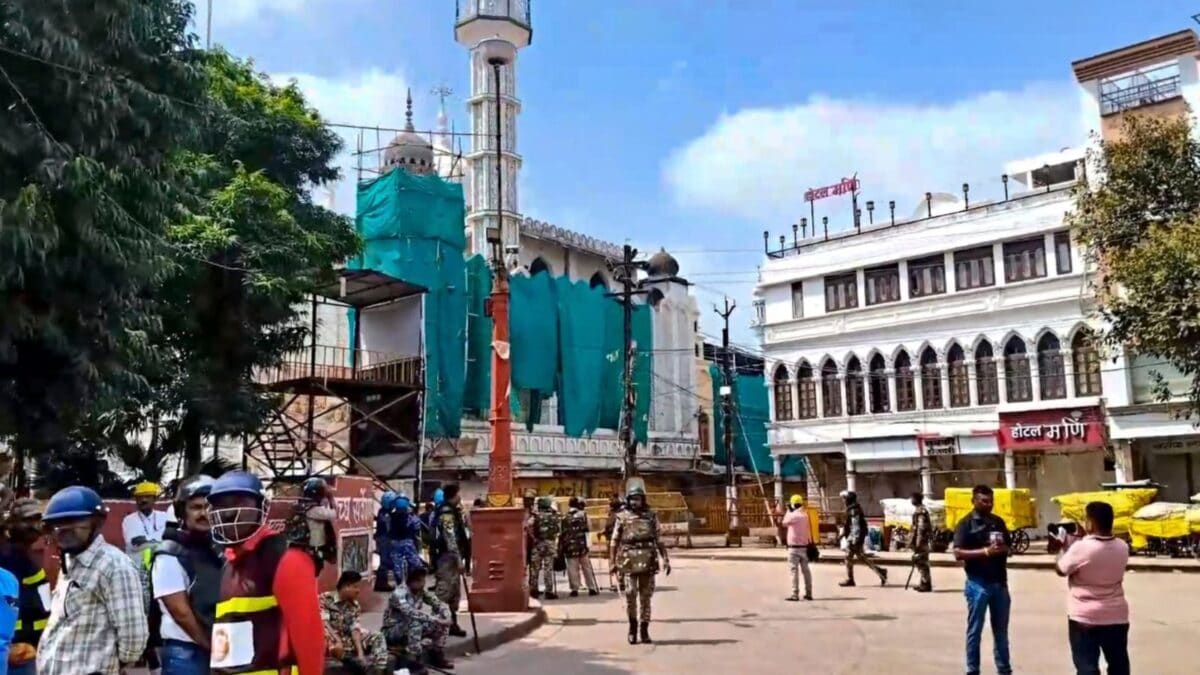
In the historic city of Ujjain, a significant portion of the Shahi Mosque was dismantled on Thursday, marking a pivotal, albeit controversial, step in a massive infrastructure overhaul ahead of the 2028 Simhastha Kumbh Mela. This development follows a period of heightened local tension, including clashes over the planned demolition that tested the city’s resolve. The Ujjain mosque damage remains a focal point for both city planners and the local community, as authorities scramble to maintain order while preparing for a global influx of pilgrims.
The current project, which has seen the state government allocate approximately Rs 9.8 crore, aims to expand the vital road link connecting Kanthal crossing to Gopal Mandir to a width of 15 metres. Urban planners argue that such infrastructure improvements are essential to ensure efficient traffic flow during the mega-event, which is expected to draw millions. However, the path to modernization is fraught with logistical and social challenges, particularly when historical sites are involved.
Understanding the Ujjain Mosque Damage
According to reports from the municipal authorities, the removal of the structure is a technical necessity identified within the city’s master plan. Specifically, about 2.7 metres of the mosque’s facade near Gopal Mandir and 1.4 metres at the opposing end are being modified. This process, while sensitive, is being conducted under the watchful eyes of local officials who hope to minimize collateral impact on the remaining architecture. As seen in other major regional event planning, infrastructure projects often collide with existing heritage and local sentiments.
Ujjain Collector Roshan Kumar Singh has emphasized that the work is moving forward with the cooperation of local community leaders. In an effort to keep the peace, the administration has strictly prohibited photography and videography within a 500-metre radius of the demolition site. This measure is intended to prevent the spread of misinformation, which local leaders fear could ignite further instability. The official narrative maintains that the removal is a phased, technical operation designed to respect the sanctity of the site while fulfilling public infrastructure goals.
Community Response and Legal Context
The situation in Ujjain escalated earlier in the week when public protests turned into violent skirmishes. Reports indicated that police were forced to deploy tear gas to disperse crowds protesting the demolition, with allegations of stone-pelting causing alarm throughout the city. The volatility of the situation prompted swift action from the judicial system. Following intense negotiations, the Madhya Pradesh High Court disposed of writ appeals after an agreement was reached between the Muslim community representatives and the civic authorities to proceed with the technical work in a coordinated, safe manner.
Religious leaders, including Shahar Qazi Khaliqur Rahman, have confirmed that daily prayers continue at the mosque, signaling an attempt to maintain normalcy despite the ongoing structural changes. The Shahi Mosque, estimated to be about a century old, is just one of 272 structures slated for impact under the broader city transformation plan. The ancient history of Ujjain means that balancing modern development with cultural preservation is an inherently difficult task that requires constant, open communication between the government and the public.
As the project continues, the administration has warned that any individual found circulating provocative content, fake news, or rumors through social media will face stringent legal repercussions. By prioritizing transparent communication, the city hopes to avoid a repeat of the earlier clashes. The focus now turns to the methodical completion of the road-widening project, ensuring that the necessary space is cleared without further incident as the 2028 deadline approaches.