
Pressure to boycott Israel game grows as Ireland preparations stall
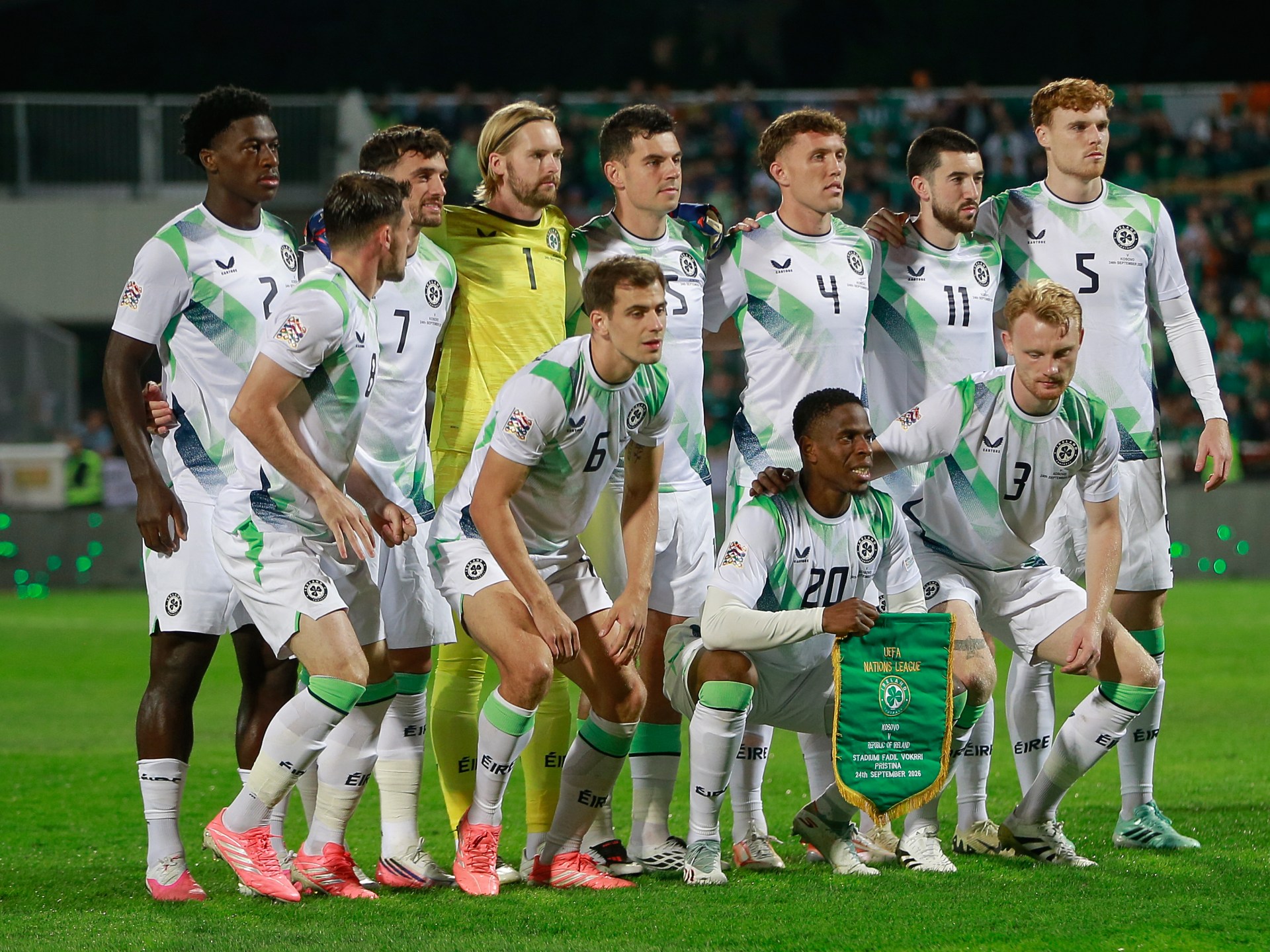
The Ireland men’s national football team is currently navigating a period of profound uncertainty, as mounting public pressure to initiate an Ireland boycott Israel campaign threatens to derail their upcoming UEFA Nations League fixtures. Preparations in Debrecen, Hungary, descended into chaos this weekend. Scheduled media appearances and team training sessions were abruptly delayed or shuffled, reflecting the deep-seated internal and external tension surrounding these matches.
The Growing Ireland Boycott Israel Sentiment
The controversy stems from Ireland’s strong, vocal support for the Palestinian cause, which stands in stark contrast to the Football Association of Ireland’s (FAI) insistence on fulfilling its competitive obligations. As athletes grapple with their personal conscience versus professional duty, reports from outlets such as RTE indicate that some players have voiced significant reluctance regarding the games. The potential for a collective stand is rising, with veteran football observers suggesting that if even a minority of the squad refuses to take the pitch, the entire team could choose to withdraw in solidarity.
The FAI has justified its stance by citing the severe risk of UEFA sanctions. With Ireland slated to cohost the 2028 European Championship alongside England, Scotland, and Wales, the governing body is hesitant to jeopardize its standing with European football officials. However, the disconnect between administrative strategy and the public pulse has never been more apparent.
Public protests in Dublin have reached a fever pitch. Trade unions and advocacy groups have utilized public spaces to display graphic imagery, urging players to prioritize their moral convictions over tournament points. This is not merely a logistical nightmare for the team; it is a manifestation of the intense scrutiny facing modern sports when global geopolitics collide with the pristine nature of the pitch.
Coaching Controversy and Public Outcry
Ireland head coach Heimir Hallgrimsson has not remained silent, though his words have only inflamed the situation further. His public commentary regarding the nature of the match drew sharp rebukes from the Israeli football federation, which labeled his remarks as hypocritical. Meanwhile, former Ireland boss Brian Kerr has been a vocal critic of the FAI, arguing that the association has severely undermined its relationship with the Irish public by disregarding earlier petitions to have Israel excluded from the tournament on ethical grounds.
As these events unfold, the situation serves as a stark reminder of the complexities inherent in international sports. Much like the turmoil recently witnessed in other high-pressure institutional environments, the Ireland team finds itself at a crossroads. Players are now forced to consider the long-term impact of their participation. Whether the team chooses to play, negotiate, or stage a formal protest, the echoes of this decision will likely resonate far beyond the confines of the stadium in Hungary.
The sporting world will be watching closely as the kickoff time approaches. For now, the Ireland squad remains in a state of limbo, trapped between the rules of a governing body and the weight of public expectation.