
Amid Nvidia-Jensen Huang Row, India Joins US-Led Pact To Secure AI Supply Chains From China
Introduction & Key Takeaways
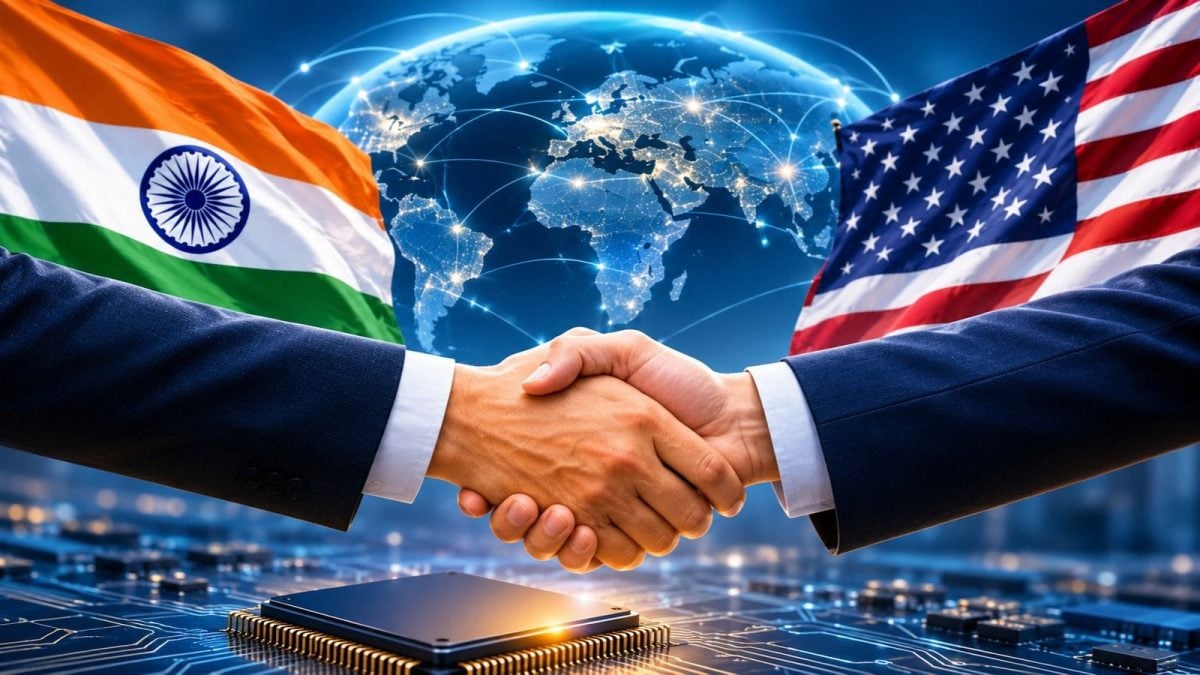
In a significant geopolitical shift, India has officially joined a US-led coalition to secure critical technology and artificial intelligence (AI) supply chains. By signing the San Francisco Declaration on the Secure Foundations of Enduring Prosperity, New Delhi aligns itself with a growing group of nations committed to reducing reliance on Chinese-controlled manufacturing networks. This development comes during a period of heightened international tension, exacerbated by high-stakes corporate scandals and aggressive export controls.
Key Takeaways:
- India has formalized its commitment to the San Francisco Declaration to protect its technological infrastructure.
- The initiative is a cornerstone of the broader Pax Silica project, which focuses on semiconductor resilience.
- Global scrutiny of advanced chip distribution has intensified following recent controversies involving major industry players.
- The pact aims to prevent the weaponization of critical technology and ensure economic security among partner nations.
Background & Context: The Rise of AI Supply Chain Alliances
The global race for dominance in artificial intelligence has made hardware, specifically advanced semiconductor chips, the new oil of the twenty-first century. As the United States and its allies recognize the vulnerability of their concentrated supply networks, they have moved to establish more resilient pathways. The San Francisco Declaration acts as a framework for this cooperation, acknowledging that modern technology production is a modular, multi-national process. From the initial design phase to the final deployment in data centers, the infrastructure requires immense trust and coordination, which this new agreement seeks to formalize through shared working groups and intelligence exchanges.
Root Cause & Deep Dive Analysis
Why is this happening now? The primary catalyst is the fear that critical American technology is reaching unintended hands through illicit channels. Washington has been actively suppressing the sale of high-end AI chips to Beijing to prevent the strengthening of Chinese military capabilities. However, as noted in recent reports, the movement of technology through third-party countries and overseas data hubs has rendered simple export controls insufficient. The ongoing global focus on technology control has been further complicated by scandals involving corporate leadership, which have brought internal security concerns to the forefront of international diplomacy.
Strategic Implications & Future Impact
For India, participating in the San Francisco Declaration is a major strategic victory. As New Delhi maneuvers to build its own domestic chip manufacturing capabilities, this partnership provides access to trusted networks and investment hubs. It allows Indian firms to integrate into a global ecosystem that prioritizes stability over the potentially volatile supply chains dominated by Chinese interests. Furthermore, this move follows recent Quad initiatives, where nearly $100 million in aid was allocated to support infrastructure and mineral recycling, signaling a long-term shift toward Indo-Pacific self-sufficiency in the technology sector.
Conclusion & What to Watch Next
The landscape of global technology is fracturing into blocs, and India’s latest move places it firmly within the orbit of a secure, US-led ecosystem. As nations scramble to protect their intellectual property and hardware logistics, the effectiveness of the San Francisco Declaration will depend on the collective ability of these countries to monitor and close loopholes. With upcoming diplomatic summits in Shenzhen, market observers should watch for how Beijing responds to this coordinated containment effort and whether this pact leads to a genuine shift in global chip manufacturing dominance. The era of unchecked technological diffusion is ending, and a more guarded, strategic approach is now the defining feature of international industrial policy.