
‘Promotes Violent Extremist Agenda’: Canada Intel Flags Khalistani Extremists As Security Threat
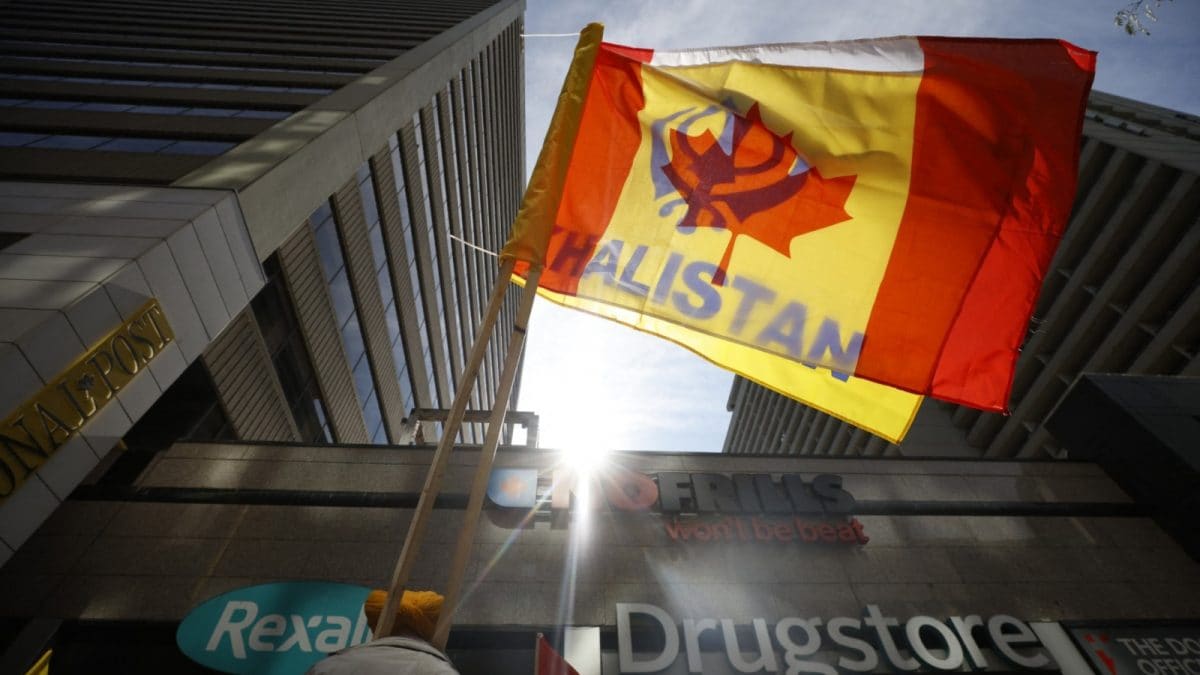
Canada’s foremost intelligence body has sounded a severe alarm, officially designating Khalistani extremists as a “national security threat.” The Canadian Security Intelligence Service (CSIS) revealed in its 2025 Public Report that a small, active faction is exploiting Canadian institutions, meticulously channeling resources and propaganda to further a violent extremist agenda.
This stark warning comes amidst an already sensitive backdrop in Canada’s diplomatic landscape, indicating persistent threats to both domestic security and international interests.
Unmasking the Khalistani Extremists’ Modus Operandi
This insidious network, according to CSIS, leverages various platforms to disseminate its radical messaging. They actively solicit and amass funds, which are then clandestinely diverted to finance violent activities, often far from Canadian shores. The report, however, is careful to draw a stark line: while these actions are unequivocally condemned, peaceful political expression and the non-violent advocacy for a separate Khalistan state are not, by definition, considered extremism. Indeed, CSIS explicitly states that only a select few individuals, who use Canada as a launching pad for promoting, funding, or orchestrating violence primarily in India, fall under the label of Khalistani extremists.
It’s a crucial distinction, clarifying that the vast majority of individuals who peacefully advocate for a separate Sikh homeland do so within legal boundaries and are not deemed threats. Nevertheless, New Delhi continues to classify certain Khalistani extremist groups as terrorist organizations due to their documented involvement in separatist violence.
A Shadow Over Canada-India Relations
The intelligence community’s findings resurface chilling memories. The 1985 bombing of Air India Flight 182, Canada’s deadliest terrorist attack, which tragically claimed 329 lives, remains a grim testament to the devastating potential of such groups. Suspects in that tragic event were indeed linked to these very circles.
The broader implications of such activities extend beyond domestic security, casting a long shadow over Canada’s international relationships, particularly with India. Relations between Ottawa and New Delhi have been fraught with tension, notably following allegations by then-Prime Minister Justin Trudeau regarding a potential Indian government link to the killing of Sikh separatist Hardeep Singh Nijjar. India vehemently rejected these claims. Yet, under the recent leadership of Prime Minister Mark Carney, efforts are purportedly underway to mend and re-engage on critical bilateral issues. The activities of these Khalistani extremists continue to complicate these delicate diplomatic efforts, underscoring the ongoing challenges facing Canada’s security framework and its foreign policy objectives.