
Putin and al-Sharaa discuss Russia-Syria relations, deal on military bases
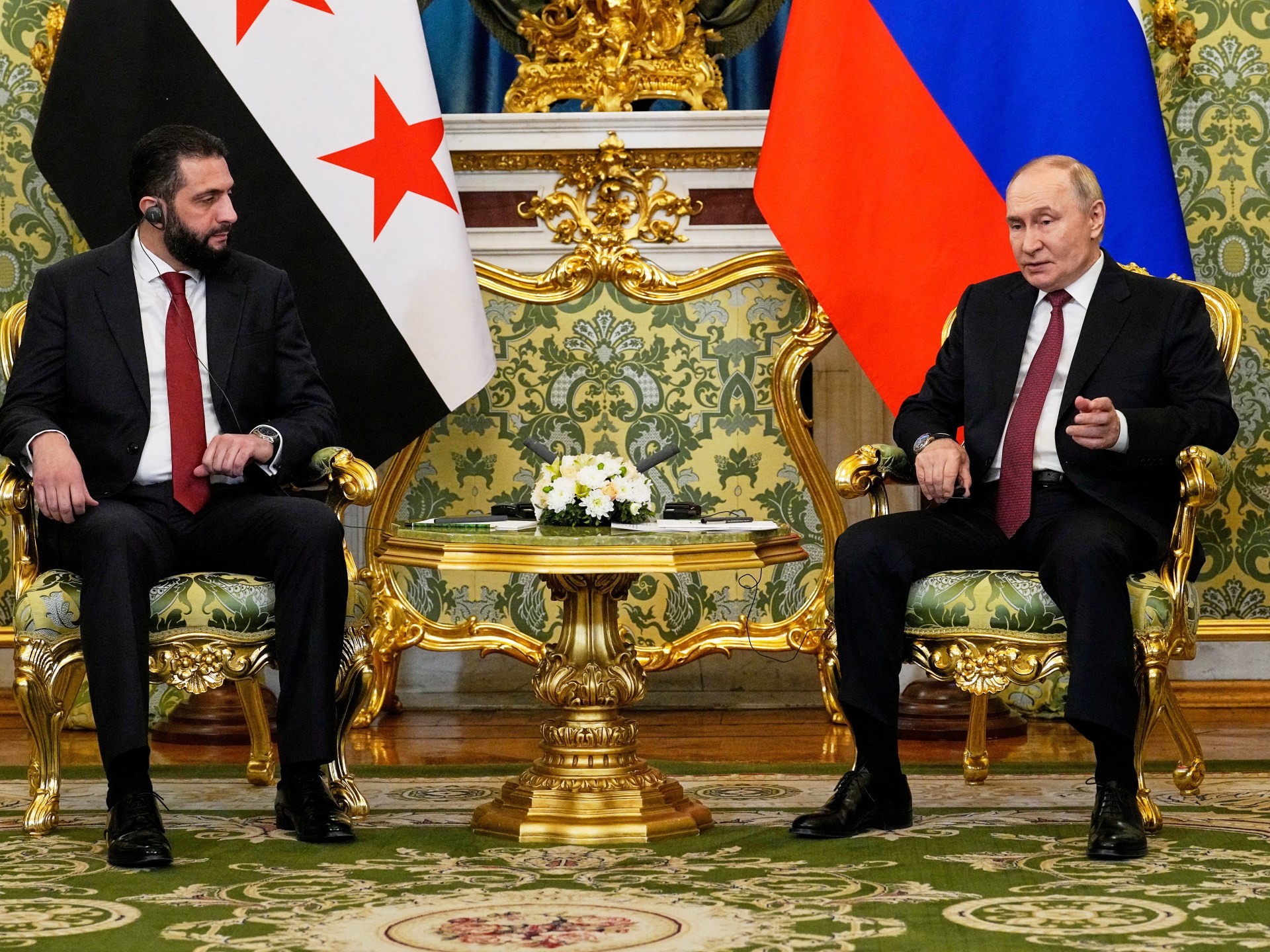
In a significant diplomatic exchange, Russian President Vladimir Putin and Syrian President Ahmed al-Sharaa recently convened a high-level discussion that underscored the enduring and evolving nature of **Russia-Syria relations**. The conversation, held via telephone, touched upon a myriad of critical topics, most notably the strategic future of Russia’s vital military installations within the Middle Eastern nation. This dialogue comes at a pivotal moment, as Syria navigates a post-civil war landscape and a new government leadership under al-Sharaa, following the ouster of the former Assad regime.
The core of the recent talks centered on the status of the Khmeimim airbase and the Tartous naval base. These facilities are not mere logistical points; they are cornerstones of Russia’s geopolitical strategy, providing Moscow with an indispensable foothold in the Mediterranean and a projection of power across the Middle East. For years, these bases served as crucial assets in Russia’s unwavering support for Bashar al-Assad during Syria’s devastating 13-year civil war, ultimately solidifying his grip on power and expanding Russia’s military footprint in the region.
The Strategic Importance of Russian Bases in Syria
The Khmeimim airbase, located in Syria’s Latakia province, has been instrumental in Russian aerial operations, while the Tartous naval base offers the Russian navy its sole Mediterranean warm-water port, a strategic imperative stretching back centuries. Their operational capacity allows Russia to maintain a robust presence, monitor regional developments, and project military might far from its borders. The negotiations concerning their future, which reportedly spanned 18 months, reveal the intricate balance both Damascus and Moscow seek to strike between Syrian sovereignty and Russian strategic interests. The agreement, signed on August 9, will see these facilities transition into “joint training and capacity-building centres,” with Syria assuming control of civilian aspects. This nuanced arrangement suggests a cooperative framework designed to ensure continued Russian operational access while symbolically acknowledging Syria’s autonomy.
Beyond military considerations, the discussions also encompassed a broader agenda aimed at enhancing bilateral cooperation. The Kremlin highlighted the desire for deepened political dialogue and expanded engagement in trade and other economic sectors. This holistic approach signals Russia’s commitment to forging a multifaceted partnership with the new Syrian government. Putin reportedly affirmed Moscow’s unwavering support for Syria’s territorial integrity, a crucial statement given the region’s volatile dynamics. Furthermore, he reiterated Russia’s firm rejection of Israeli attacks and violations of Syrian sovereignty, a stance that resonates deeply with Damascus and underscores Moscow’s role as a regional guarantor.
The transition from the Assad regime to President Ahmed al-Sharaa presented a fresh set of diplomatic challenges and opportunities for Russia. Despite the change in leadership, Moscow has demonstrably worked to maintain strong **Russia-Syria relations**, recognizing the enduring strategic value of the alliance. This adaptability highlights Russia’s pragmatic foreign policy, ensuring that its long-term objectives in the Middle East and Northern Africa remain uncompromised.
The implications of this renewed commitment are far-reaching. For Russia, securing the future of Khmeimim and Tartous means sustained influence in a region replete with geopolitical complexities. It also serves as a clear message to other global powers regarding Russia’s continued role in shaping the Middle Eastern security architecture. For Syria, the agreement provides a critical ally in its ongoing recovery and reconstruction efforts, potentially offering a bulwark against external pressures and a partner for rebuilding its military capabilities. The deal could also provide a degree of stability amidst regional tensions, echoing the complexities of economic warfare and territorial disputes seen elsewhere.
Looking ahead, the commitment to continued contact “at various levels” signals a robust and active diplomatic channel between Moscow and Damascus. This steady engagement is crucial for managing the intricacies of their evolving alliance, ensuring that the memorandum concerning the military bases is effectively implemented, and that other areas of cooperation continue to flourish. The future trajectory of **Russia-Syria relations** will undoubtedly remain a significant factor in the broader geopolitical landscape, influencing regional stability and the intricate balance of power.