
Iran faces ‘greatest financial offensive ever’, says US treasury secretary
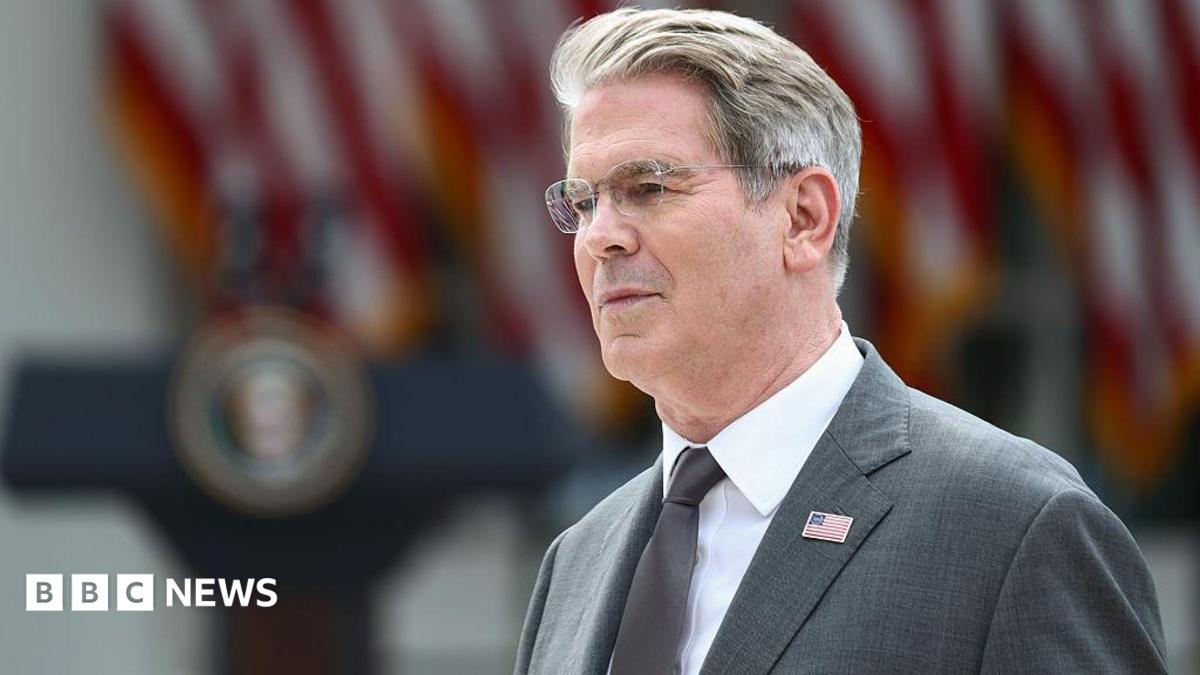
In a dramatic escalation of long-standing tensions, US Treasury Secretary Scott Bessent has declared an impending “economic D-Day” against Iran, signaling what he termed “the single greatest financial offensive ever.” This audacious statement underscores a critical turning point in already fraught US Iran relations, with Bessent asserting that the ongoing US-Israel war with Tehran is “entering its endgame.” The declaration, made amidst a backdrop of global economic instability and geopolitical friction, promises to isolate Iran utterly, severing all economic ties and targeting any nation daring to maintain financial partnerships with the Islamic Republic.
This bold pronouncement follows a period marked by considerable diplomatic maneuvering and several reversals from the US President Donald Trump’s administration regarding its Iran policy. Despite prior threats and extended deadlines that often saw the US back down, Bessent’s recent remarks suggest an unyielding resolve. His objective, articulated in a widely-read opinion piece for the Financial Times, is unequivocal: “The world should understand that our objective is to sever every economic lifeline that sustains the tyrannical regime until Tehran stands alone.” The precise mechanisms of this unprecedented financial pressure are expected to be detailed in a forthcoming press conference.
The Escalating Stakes in US Iran Relations
Iran, for its part, has vehemently dismissed Bessent’s threats, responding with its own menacing warnings. Reuters reported the Iranian regime’s pledge to halt all oil exports from the region if the conflict persists. Furthermore, an ominous directive has been issued, cautioning shipping vessels against traversing the Strait of Hormuz without express permission. This strategically vital chokepoint, a narrow waterway south of Iran, typically facilitates the passage of approximately one-fifth of the world’s oil and gas. Since the conflict’s genesis at the end of February, the flow through the strait has been effectively throttled, creating palpable anxiety across international markets and highlighting the precarious nature of Tehran’s warnings to regional partners and global shipping alike.
The economic ramifications of this protracted conflict are already acutely felt, reverberating far beyond the immediate region. Skyrocketing oil prices have emerged as a significant global concern, exacerbating cost-of-living crises worldwide. A barrel of Brent crude, the international benchmark, currently hovers around $93, a substantial increase from a year ago. In the United States, gasoline prices have surged past $4 per gallon, transforming affordability into a paramount issue for American voters as the mid-term elections in November loom large. The specter of further disruptions to oil supply from Iran threatens to push these prices even higher, potentially plunging the global economy into deeper uncertainty. The Trump administration’s earlier attempt to stabilize markets by intervening in bond markets and buying back government debt proved ephemeral, with borrowing costs quickly rebounding.
A History of Sanctions and Shifting Policies
This latest move by the US is not an isolated incident but rather the culmination of years of evolving, and often contentious, policies regarding Iran. The Iranian regime has long grappled with stringent economic sanctions imposed by the United States. A pivotal moment arrived in 2015 with the Joint Comprehensive Plan of Action (JCPOA), colloquially known as the Iran nuclear deal. This landmark agreement, forged under former US President Barack Obama with several international allies, saw many sanctions lifted in exchange for Iran’s commitment to curtail its nuclear program.
However, the deal’s future became uncertain when President Trump withdrew the US from the JCPOA in 2018, branding it “defective at its core” and unilaterally reimposing all US sanctions. During President Joe Biden’s tenure, there were earnest attempts to revive the Obama-era agreement, yet these diplomatic overtures ultimately failed to yield a reinstatement. This year, in April, the Trump administration intensified its pressure, unleashing a fresh wave of sanctions targeting foreign banks and firms engaged in business with Tehran. This punitive action was a clear response to the realization that military operations alone had not compelled the Iranian regime to capitulate. The current declaration of an “economic D-Day” represents yet another dramatic escalation in this enduring and complex standoff, profoundly impacting not just the immediate belligerents but also the broader geopolitical landscape.
As the world awaits the specifics of Bessent’s comprehensive financial offensive, the implications are vast and multifaceted. From the stability of global oil markets to the intricate web of international diplomacy, the stakes could not be higher. The coming days will undoubtedly reveal whether this “economic D-Day” marks a decisive turning point in US Iran relations or merely another chapter in a protracted saga of threats and countermeasures.