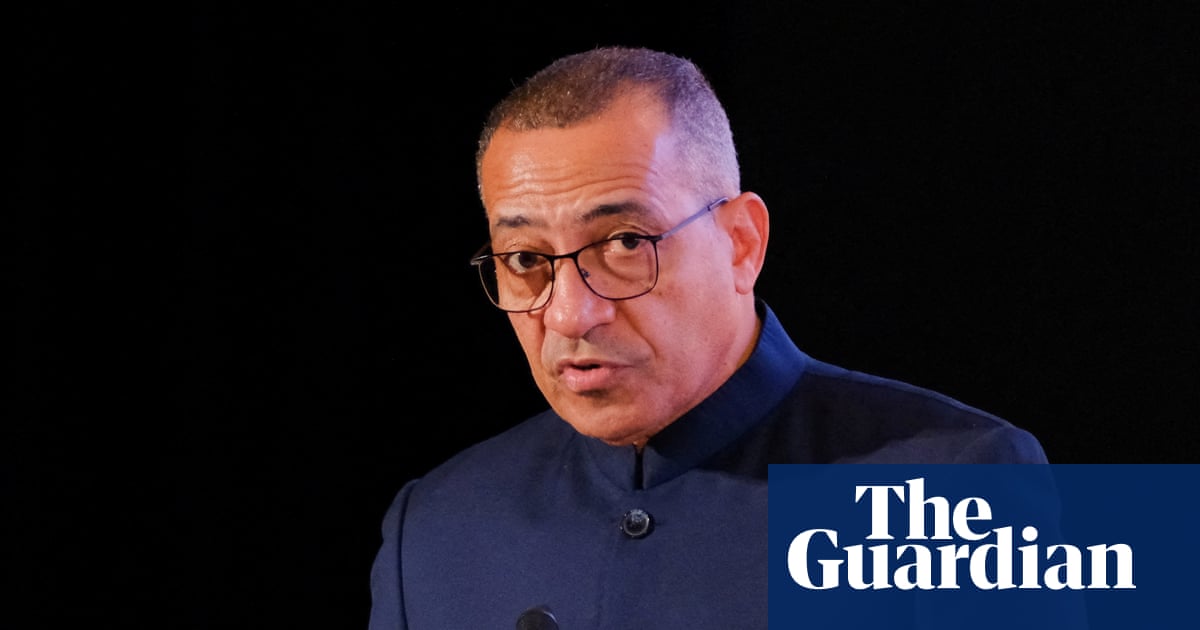
The tiny island nation of São Tomé and Príncipe is poised for a nail-biting showdown at the polls this Sunday, as citizens cast their ballots in a high-stakes São Tomé election. President Carlos Vila Nova, a figure of significant political experience, is seeking an unprecedented second term, but this time, he’s running as an independent, having dramatically severed ties with his former ruling party, Acção Democrática Independente (ADI).
With roughly 142,000 registered voters, including a substantial diaspora, this West African archipelago, independent since 1975, has long championed its peaceful democratic transitions. However, this particular electoral cycle is anything but tranquil. A palpable tension hangs heavy in the air, exacerbated by a lingering constitutional crisis that has sent ripples through the nation’s political landscape.
Vila Nova’s Bold Independent Bid in the São Tomé Election
President Vila Nova’s decision to run outside the ADI banner, the very party that propelled him to power five years ago, marks a pivotal moment. The rift deepened significantly last January following his dismissal of then-Prime Minister Patrice Trovoada. What followed was a swift succession of leadership, with Ilza Amado Vaz resigning after a mere three days, before Américo Ramos eventually took the reins.
The ballot on Sunday presents a diverse field. Vila Nova faces four challengers, notably Nito D’Abreu, the parliamentary leader for ADI. Adding a touch of intrigue, another former prime minister, Jorge Bom Jesus, will also appear on the ballot, despite a last-minute attempt to withdraw his independent candidacy that missed the official deadline. Intriguingly, the main opposition, the Movement for the Liberation of São Tomé and Príncipe, has coalesced behind the incumbent president, a stark contrast to their historical animosity towards ADI. Meanwhile, a distinct ADI faction, led by Ramos, is throwing its weight behind D’Abreu. Should no candidate secure more than 50% of the vote, the island nation will brace for a second, even more intense, round.
Further complicating the political tapestry, Domingos Monteiro, a prominent businessman affectionately known as “Nino” and president of the São Toméan Football Federation since 2015, found his presidential ambitions abruptly halted. The constitutional court disqualified him, citing ineligibility over his parents’ non-naturalized status despite his birth on the island. Monteiro vehemently condemned the ruling, stating, “The constitutional court is violating the principle of equal rights… It is time for descendants born in São Tomé and Príncipe to say no to discrimination, to the culture of xenophobia and persecution.”
Addressing Critical Challenges for São Tomé Voters
For the average voter navigating this complex São Tomé election, core priorities resonate deeply. The populace demands decisive action against rampant government corruption, which rival Nito D’Abreu starkly labeled as “the greatest catastrophe the country has experienced in this half-century” during the candidates’ recent debate. High inflation, debilitating youth unemployment, chronic fuel shortages, and frequent power blackouts also loom large in the public consciousness, threatening to sway the outcome and potentially deny Vila Nova a second mandate.
Beyond its internal political machinations, São Tomé and Príncipe holds significant geopolitical weight. Positioned strategically in the Gulf of Guinea, a notorious hub for maritime piracy, the country serves as a trusted Western ally for security and trade. Its burgeoning offshore oil deposits are also a substantial contributor to the national coffers. To ensure transparency and fairness, observer missions from the European Union, G7+, and the Community of Portuguese Language Countries are diligently monitoring the polls, underscoring the international community’s keen interest in the stability and democratic integrity of this vital African state.
About the Author