The tiny island nation of São Tomé and Príncipe stands poised for a pivotal moment this Sunday, as citizens head to the polls for a high-stakes São Tomé election. This contest, often a beacon of democratic stability in a region fraught with political turbulence, unfolds against an backdrop of internal strife and a lingering constitutional imbroglio.
Approximately 142,000 individuals are registered to cast their ballots, including a significant 15% residing in the diaspora. For decades, since its independence from Portugal in 1975, this small island country off Africa’s west coast has cultivated an enviable reputation for conducting peaceful, competitive elections. Yet, the current political climate is undeniably charged, shadowed by a persistent constitutional crisis that has gripped the nation.
The Thorny Path to the São Tomé Election
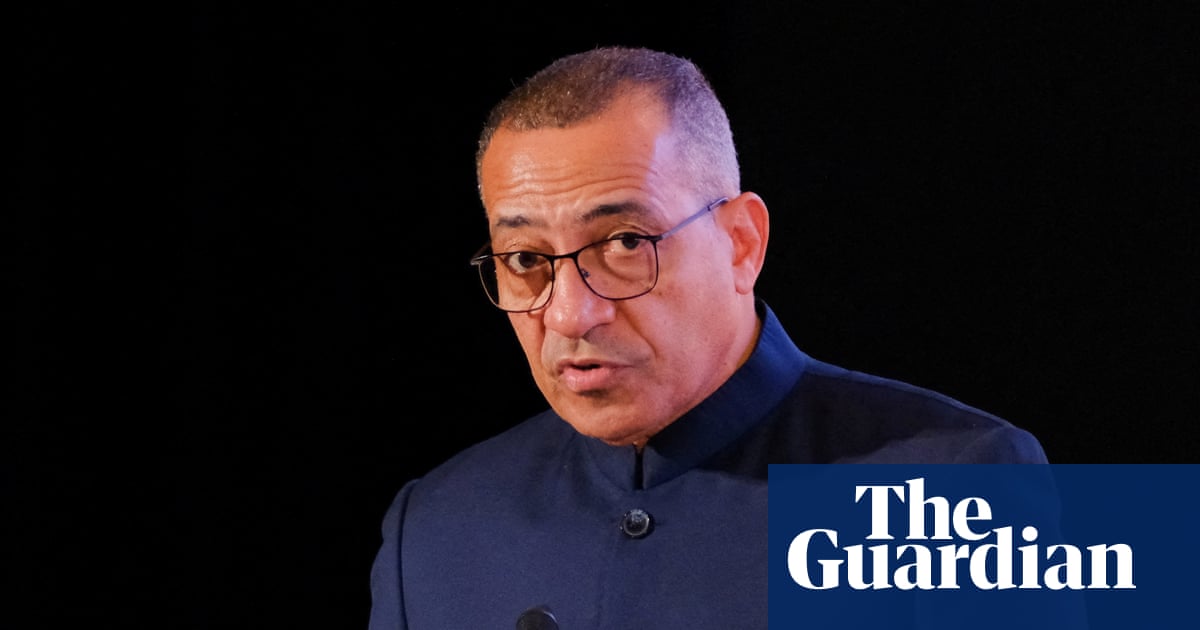
Incumbent President Carlos Vila Nova, five years after being elected under the banner of the Acção Democrática Independente (ADI) party, now seeks a second term as an independent candidate. His unexpected break from the ruling ADI marks a significant twist in the political landscape, setting the stage for a compelling electoral battle.
Tensions between Vila Nova and his former party escalated dramatically last January when he controversially dismissed Prime Minister Patrice Trovoada. The subsequent political churn saw Trovoada’s replacement, Ilza Amado Vaz, resign after merely three days, paving the way for the current Prime Minister, Américo Ramos, to take office.
Vila Nova faces four formidable challengers, notably Nito D’Abreu, the parliamentary leader of the ADI. Another contender, former Prime Minister Jorge Bom Jesus, remains on the ballot despite a last-minute, unsuccessful attempt to withdraw his independent candidacy. Intricate political maneuvering sees the main opposition party, the Movement for the Liberation of São Tomé and Príncipe, now align with a broad coalition supporting the incumbent president, a surprising pivot given their historical opposition to ADI. Meanwhile, a faction of the ADI, led by Prime Minister Ramos, is throwing its weight behind D’Abreu. Should no candidate secure more than 50% of the vote, the electoral contest will proceed to a second round.
A notable exclusion from the race is businessman Domingos Monteiro, affectionately known as “Nino,” who has led the São Toméan Football Federation since 2015. The constitutional court disqualified Monteiro, citing that his parents, born in Cape Verde, never became naturalized citizens of the island nation. Monteiro vehemently denounced the ruling, arguing that “The constitutional court is violating the principle of equal rights… It is time for descendants born in São Tomé and Príncipe to say no to discrimination, to the culture of xenophobia and persecution.”
For the average voter, the upcoming São Tomé election presents an opportunity to address a litany of pressing issues: rampant government corruption, crippling high inflation, severe youth unemployment, chronic fuel shortages, and frequent power outages. Vila Nova’s rivals are banking on public discontent with these issues to deny him a second term and propel them to the nation’s highest office. Indeed, as D’Abreu declared at a recent presidential debate, corruption in this West African archipelago is nothing short of “the greatest catastrophe the country has experienced in this half-century [of independence].” Learn more about this discussion.
Strategically, São Tomé and Príncipe is a crucial Western ally for security and maritime trade within the Gulf of Guinea, a notorious hotspot for piracy. Furthermore, its offshore oil deposits significantly bolster its economy. International observer missions from the European Union, G7+, and the Community of Portuguese Language Countries are on the ground, diligently monitoring the polls to ensure a fair and transparent process.
About the Author