
Sonia Gandhi’s Political Journey: From Rajiv Gandhi’s Wife To Congress Power Centre | News18
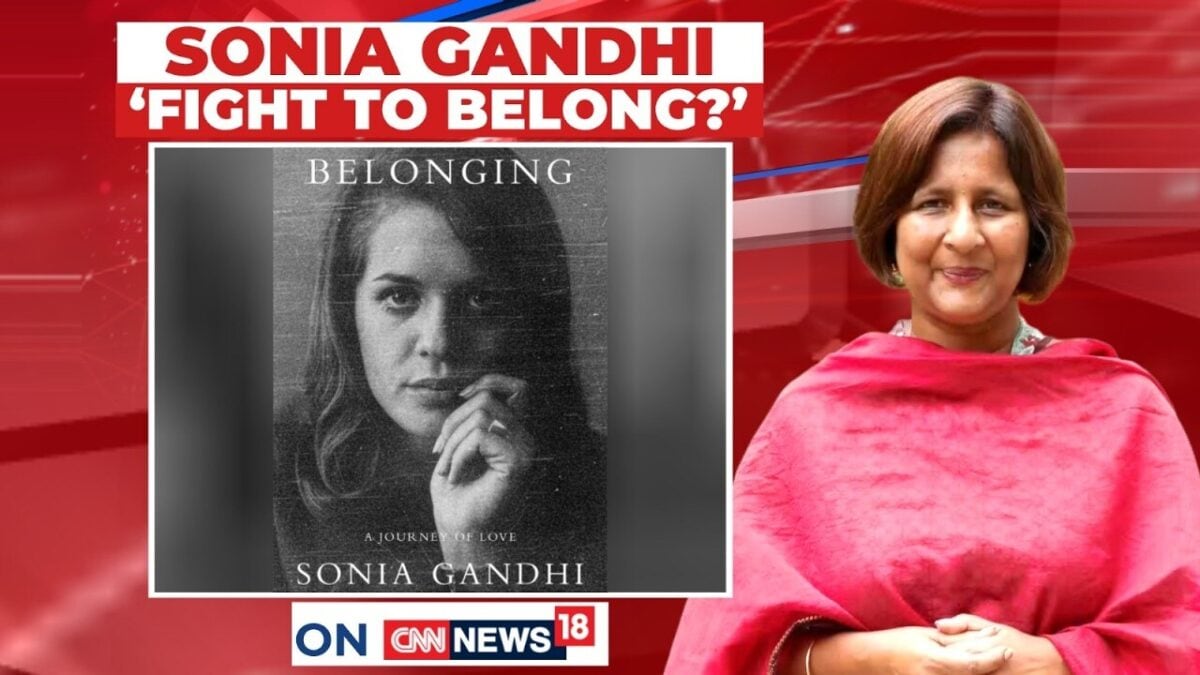
Few figures in modern Indian politics command as much intrigue and respect, intertwined with scrutiny, as Sonia Gandhi. Her life, a tapestry woven with personal tragedy and monumental political responsibility, has significantly shaped the trajectory of the Indian National Congress and the nation itself. From being the quiet spouse of a Prime Minister to becoming the undeniable power centre of India’s grand old party, Sonia Gandhi’s Journey is a compelling narrative of resilience, strategy, and an enduring, albeit often reluctant, engagement with public life. The recent stir surrounding her memoir, Belonging: A Journey of Love, reignites interest in the nuanced choices and defining moments that have marked her extraordinary career.
Born Edvige Antonia Albina Maino in a small village in Italy, her path took an unforeseen turn when she met and married Rajiv Gandhi, scion of India’s most powerful political dynasty. Initially, the very idea of entering politics was anathema to her. She consistently resisted calls to join the fray, preferring a private life away from the relentless glare of public scrutiny. However, fate, in its cruelest form, intervened. The assassinations of her mother-in-law, Prime Minister Indira Gandhi, in 1984, and then her husband, Rajiv Gandhi, in 1991, thrust her into a vacuum of leadership. The Congress party, reeling from successive blows, desperately sought her guidance. Despite her profound personal grief and a deep-seated desire to protect her children from the political maelstrom, the mounting pressure from party stalwarts ultimately proved irresistible.
The Ascent to Power: Sonia Gandhi’s Journey at Congress Helm
Her formal entry into politics in 1997, and subsequent election as Congress President in 1998, marked a pivotal moment. The party was fractured, demoralized, and adrift, having lost its dominant position. Critics questioned her Italian origin and her perceived lack of political experience. Yet, with a quiet determination, she set about the arduous task of rebuilding. She revitalized the party cadres, mediated internal disputes, and brought disparate factions together. Her approach was often understated, yet strategically astute, slowly but surely consolidating her authority and inspiring confidence among the party faithful. Her leadership provided a much-needed anchor, preventing the party from further disintegration.
The true testament to her political acumen arrived with the 2004 general elections. Against all predictions, the Congress-led United Progressive Alliance (UPA), forged meticulously under her stewardship, emerged victorious. In a move that stunned many, she declined the Prime Ministership, instead anointing Dr. Manmohan Singh for the top job. This decision, widely lauded as a personal sacrifice for the greater good, cemented her image as a selfless leader and earned her immense public goodwill. For a decade, she served as the Chairperson of the UPA, effectively becoming the ultimate arbiter of power and policy, without holding a ministerial portfolio. Her influence during this period was undeniable, shaping critical legislation and driving the alliance’s agenda. She navigated complex coalition dynamics, demonstrating a remarkable ability to keep diverse political interests aligned.
Challenges and Public Scrutiny
Despite her successes, Sonia Gandhi’s Journey has been far from smooth. She faced consistent criticism regarding her foreign birth, often weaponized by political rivals. The UPA government, particularly in its second term, battled allegations of corruption, which eventually contributed to its downfall in 2014. Throughout these tumultuous periods, she maintained a stoic front, defending her party and its policies with unwavering resolve. Even concerning internal party matters, she often had to contend with dissenting voices, such as the political disagreements surrounding nationalistic anthems.
The recent controversy surrounding her memoir underscores the persistent public fascination with her life. While details of the publishing dispute remain somewhat opaque, it highlights the intense scrutiny that continues to surround her, even as she has stepped back from the active presidency of the Congress party. Her decision to write a memoir, titled Belonging: A Journey of Love, suggests a willingness to offer her perspective on a life lived largely in the public eye, yet often shrouded in personal reticence.
As she transitioned from the primary leadership role, passing the baton to her son, Rahul Gandhi, and then briefly resuming it during a period of uncertainty, her status as the Congress party’s matriarch remained unchallenged. She continues to be a unifying force, a repository of institutional memory, and a guiding presence. Her ability to command respect across a broad spectrum of the political landscape, both within her party and among allies, is a testament to her unique position.
From a grieving widow thrust reluctantly into the vortex of Indian politics to the chairperson of a ruling alliance, Sonia Gandhi’s Journey is a saga of quiet strength and formidable political will. Her legacy is complex, marked by profound personal sacrifice, astute political maneuvering, and an unwavering commitment to the ideals she championed. To understand contemporary Indian political dynamics, one must inevitably grapple with the indelible imprint left by this remarkable leader. For further insights into her formative years and political awakening, one might explore reliable biographical details available online.