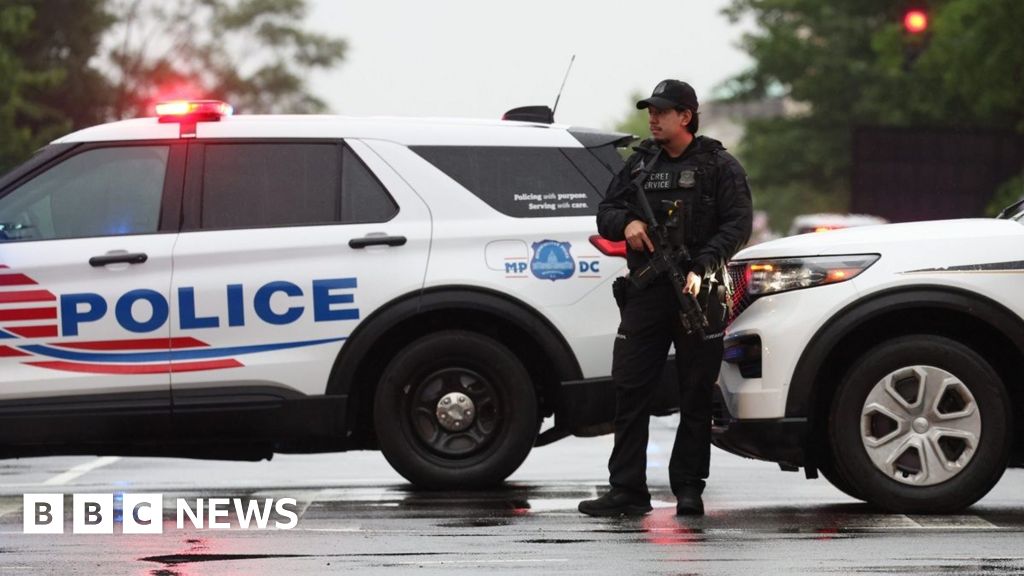
Chaos erupted just blocks from the nation’s most iconic residence Saturday evening as a suspect, identified as Nasire Best, opened fire on Secret Service agents near a White House checkpoint. The dramatic confrontation ended with Best’s death in an exchange of gunfire. This shocking White House shooting sends ripples of concern through Washington D.C., highlighting persistent security challenges around presidential perimeters.
The 21-year-old Best, a figure reportedly known to protective agencies, had a documented history of mental health conditions. Authorities confirmed he had previously attempted to breach the White House in July 2025, leading to his arrest and subsequent placement in a psychiatric facility. His presence near the 17th Street and Pennsylvania Avenue NW intersection, adjacent to the Eisenhower Executive Office Building, quickly escalated into a deadly encounter shortly before 18:00 local time.
Examining the White House Shooting
According to official reports, Best drew a firearm from his bag and began shooting. Secret Service officers, stationed at the corner, swiftly returned fire, neutralizing the threat. He was transported to a hospital but pronounced dead shortly thereafter. A bystander also sustained injuries during the harrowing incident; however, no further details on their condition have been released. Crucially, no Secret Service personnel were harmed in the attack.
President Donald Trump, who was inside the White House at the time, was reportedly unaffected by the events unfolding just beyond the gates. The agency assured the public that “no protectees or operations were impacted.” Trump later took to Truth Social, thanking law enforcement for their “swift and professional action” against a “gunman” with a “violent history and possible obsession with our Country’s most cherished structure.”
This incident marks the second time in a month that gunfire has erupted near the White House complex. Just weeks prior, a separate gunman had disrupted the White House Correspondents’ Dinner, underscoring a troubling trend. The ongoing investigation into this latest White House shooting seeks to uncover all details surrounding Best’s motives and actions.
The immediate aftermath saw reporters on the North Lawn scrambling for cover. Journalists, some mid-broadcast, were rushed into a secured briefing room as volleys of shots echoed across the grounds. Selina Wang, a senior White House correspondent for ABC, shared a harrowing account on X, detailing her sprint to safety. Similarly, CBS News reporter Aaron Navarro described the chaotic scene, recalling Secret Service shouting, “get inside, get inside!” as he and his colleagues ducked for cover. They remained locked down for approximately 30 minutes, witnessing emergency services converge outside.
Lawmakers from both sides of the aisle, including Senate Majority Leader John Thune and House Speaker Mike Johnson, were quick to commend the Secret Service. They praised the agency’s “decisive action” and “professionalism” in handling the volatile situation. President Trump, in his social media post, also linked the incident to his long-held vision for a grand ballroom expansion, suggesting a need for an even safer and more secure presidential space in Washington. The details of this White House shooting underscore the constant vigilance required to protect the highest office.
About the Author