
Suvendu Adhikari Suspends Ex-Kolkata Police Chief, 2 IPS Officers Over Lapses In RG Kar Probe
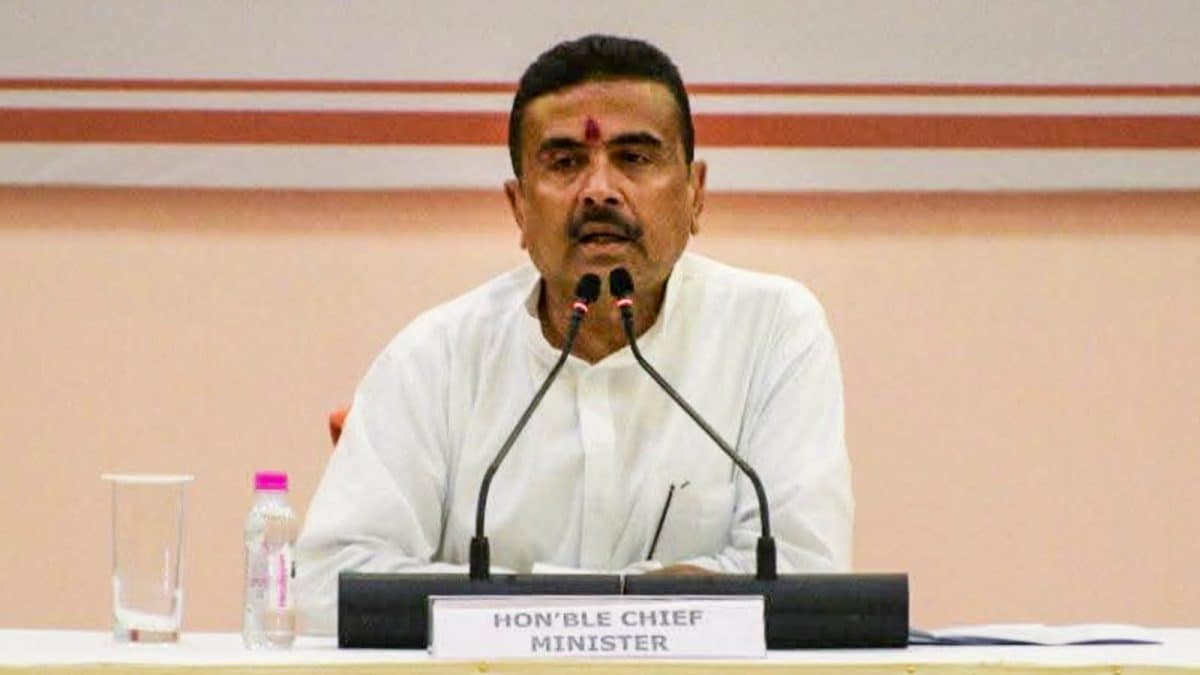
Kolkata has been rattled by a significant administrative decision as West Bengal Chief Minister Suvendu Adhikari announced the suspension of three high-ranking IPS officers. This decisive action, taken on Friday, stems from alleged RG Kar probe lapses in the notorious 2024 rape and murder case at RG Kar Medical College and Hospital, which had previously ignited widespread public outrage.
The suspended officers, identified as former Kolkata Police Commissioner IPS Vineet Goyal, IPS Indira Mukherjee, and IPS Abhishek Gupta, now face a stringent departmental inquiry. This development marks a pivotal moment, signaling renewed governmental commitment to addressing long-standing concerns regarding the integrity of the initial investigation into the heinous crime.
Unpacking the RG Kar Probe Lapses
The RG Kar case, a dark chapter in the state’s recent history, traces back to August 9, 2024. A 31-year-old postgraduate trainee doctor’s lifeless body was discovered within the confines of a seminar hall at the prestigious medical institution. Investigators later confirmed the horrific allegations of rape and murder occurring while the victim was on duty.
The incident ignited a firestorm of protest. Doctors across India abandoned their duties, hospitals in West Bengal ground to a halt, and powerful calls for safer workplaces for women reverberated nationwide. Demands for accountability, particularly from the police and the state government, became an insistent chorus.
Initially, the Kolkata Police undertook the investigation. However, under immense public pressure and a decisive intervention by the Calcutta High Court, the case was ultimately transferred to the Central Bureau of Investigation (CBI). During this initial phase, numerous serious allegations surfaced, painting a grim picture of investigative failures. These included significant delays in evidence collection, potential mishandling of the crime scene, and deeply troubling communication breakdowns with the victim’s grieving family. There were even accusations of attempts to influence or offer monetary compensation to the victim’s relatives, fanning the flames of public distrust.
Doctors’ associations and opposition political figures consistently accused the authorities of attempting to stifle inquiries surrounding the early days of the probe. Former Kolkata Police Commissioner Vineet Goyal, now among the suspended, became a particular flashpoint for protests, with junior doctors vociferously demanding his immediate resignation due to the perceived RG Kar probe lapses under his watch.
Despite the subsequent CBI investigation leading to the conviction of Sanjay Roy as the primary accused in the rape and murder, the controversy surrounding the initial police handling never truly subsided. Activists and medical professionals continued to argue that while justice was served for the crime itself, accountability for the grave investigative shortcomings remained elusive.
The RG Kar case has undeniably been one of West Bengal’s most politically charged controversies in recent memory, profoundly shaping public dialogue on women’s safety and the efficacy of policing. This latest wave of suspensions and the ordered departmental inquiries suggest an unequivocal renewed scrutiny into whether procedural failures critically hampered the early stages of this high-profile investigation. The public awaits further detailed findings regarding the specific allegations against these senior officers, hoping for transparency and lasting change in the enforcement mechanisms of justice. For a deeper understanding of police reforms, readers may consult relevant resources.