
‘Anti-India Teachings’: Bengal Launches Crackdown On Khariji Madrassas; BJP Leaders Back Move
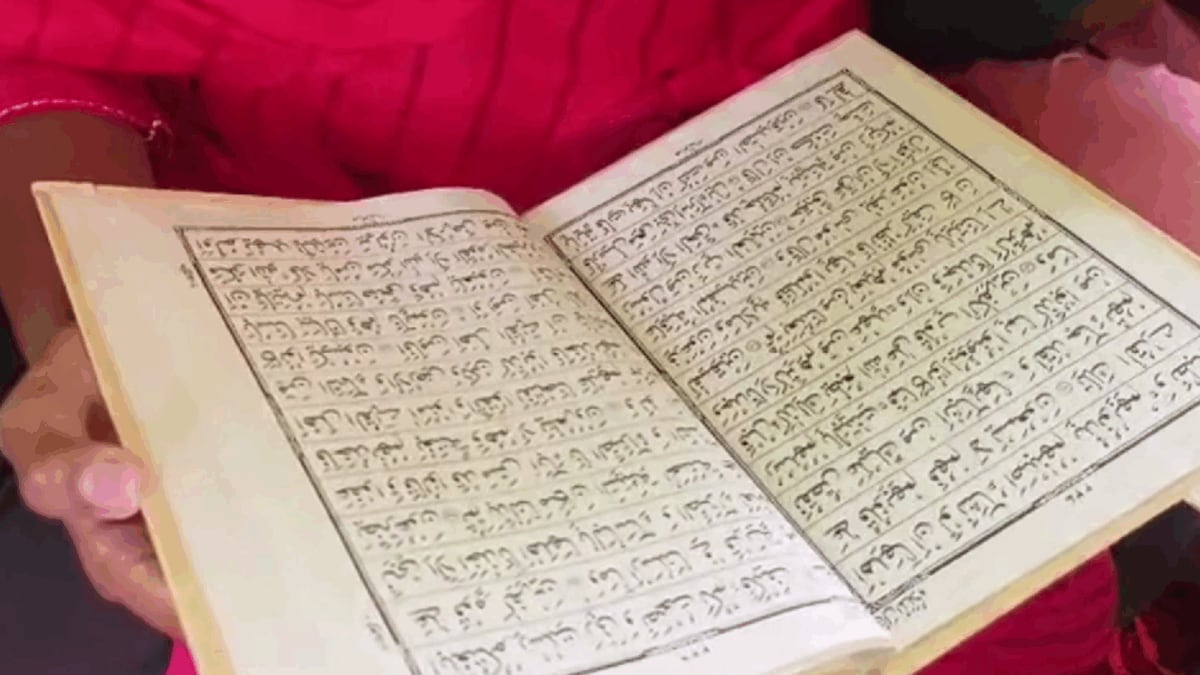
In a significant move that has ignited political discourse, the West Bengal government has initiated a widespread crackdown on unaided educational institutions across 12 districts. The directive specifically targets the functioning and curriculum of “Khariji” madrassas, which operate without state funding, amidst escalating concerns over their adherence to national educational standards and allegations of fostering anti-India sentiments.
The state’s Minority Affairs and Madrasa Education Department issued the order on July 8, mandating physical inspections of these institutions. The rigorous scrutiny, designed to conclude by July 15, sees senior department officials and various government agencies fanning out across the designated districts, each bearing specific responsibilities for this time-sensitive exercise.
Scrutiny Extends to Khariji Madrassas
The sweep encompasses a dozen key districts, including Cooch Behar, North Dinajpur, Malda, Murshidabad, Birbhum, West Midnapore, East Midnapore, Nadia, Hooghly, Howrah, North 24 Parganas, and South 24 Parganas. Inspectors are tasked with a comprehensive review of student welfare, the execution of existing educational schemes, and the overall operational efficacy of these unrecognised institutions.
Authorities will meticulously gather data spanning various aspects: the institutions’ origins, their financial lifelines, current student enrollment figures, details of both teaching and non-teaching personnel, available residential amenities, and crucially, the precise content of their curricula. This exhaustive data collection aims to ascertain full compliance with the state’s established regulatory framework, ensuring transparent and constructive educational practices.
Political Backing for the Initiative
The government’s decisive action has garnered substantial political support. BJP leaders, swift to voice their backing, have emphatically welcomed the inspections. Union Minister and Balurghat MP Sukanta Majumdar underscored the necessity of such an inquiry, drawing parallels to former Chief Minister Buddhadeb Bhattacharjee’s past concerns about these institutions becoming hotbeds for extremism—remarks he later retracted under apparent political duress.
State minister Agnimitra Paul did not mince words, directly alleging that “anti-India” teachings were rampant in certain unrecognised Khariji madrassas. She vehemently advocated for the inspections, stating that the exercise is vital to uncover the true nature of what is being imparted to young minds. “Children are allegedly brainwashed from a young age and instilled with anti-India sentiments,” Paul asserted. She further highlighted perceived links to terrorist activities, citing a recent arrest from such an institution. “We will not allow people to nurture and shelter terrorists like Shahad Ali in these ‘khariji’ madrassas,” she declared with resolute conviction.
Paul articulated a vision of inclusive education where children from all communities contribute to national progress. “Education is meant for everyone,” she affirmed, envisioning Muslim children flourishing as much as their Hindu, Sikh, or Jain counterparts in diverse fields. The minister reiterated the government’s unwavering stance against anything that promotes anti-India sentiments, expressing gratitude to the Chief Minister for initiating this crucial examination of what these educational facilities truly teach.