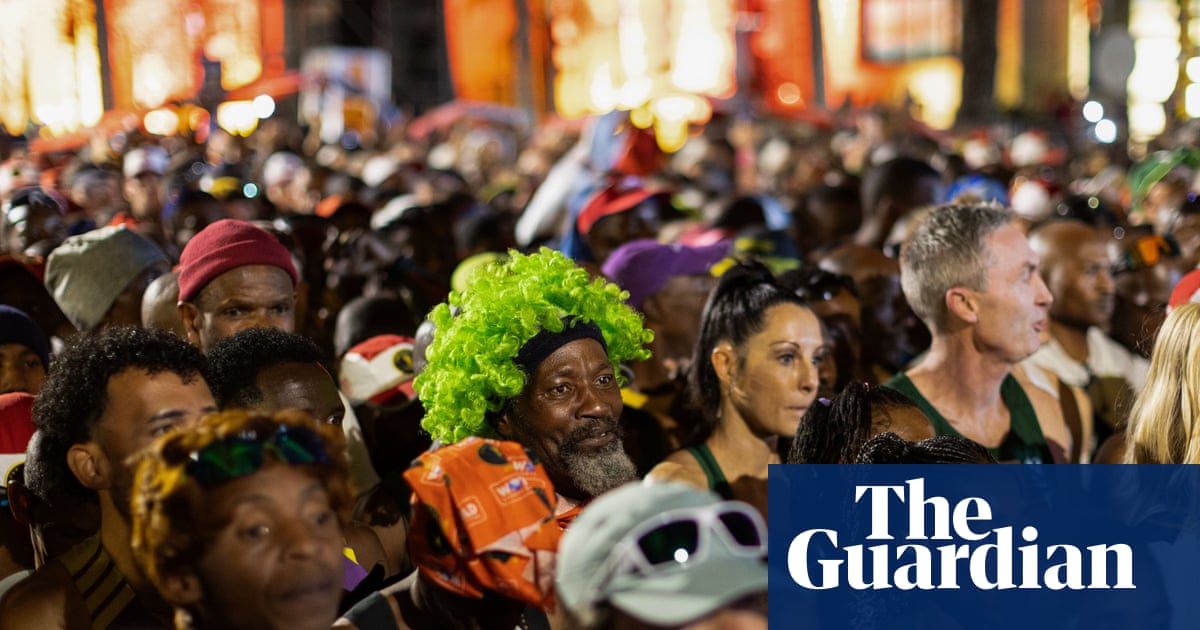
The pre-dawn chill in Durban, South Africa, crackled with a palpable electricity. Thousands of runners, a diverse tapestry of humanity, gathered, their collective anticipation a hum against the backdrop of the national anthem, the haunting strains of “Shosholoza,” and the iconic “Chariots of Fire.” At precisely 5 AM, a gun cracked, unleashing a surging river of humanity across the start line. This was the commencement of the epic Comrades Marathon, a race renowned globally not just for its extreme endurance challenge but also for its profound social significance. For one extraordinary day each June, the nation’s stark racial inequalities appear to momentarily dissolve on this legendary route, fostering an unparalleled sense of shared purpose.
This grueling ultramarathon, now in its 99th iteration, holds the distinction of being the world’s oldest and largest. Conceived by First World War veteran Vic Clapham to honor his fallen comrades, the inaugural 1921 event saw 34 white men tackle the formidable 54.6 miles from Pietermaritzburg to Durban. Fast forward to June 14th, and over 20,000 aspirants, a true cross-section of South African society, queued outside Durban city hall, each harboring the dream of conquering the roughly 55-mile “up run” back to Pietermaritzburg within the unforgiving 12-hour limit.
The Enduring Spirit of the Comrades Marathon
What began as an exclusive, all-white, all-male test of physical endurance has profoundly woven itself into the fabric of South African life. Today, it’s so ingrained that finding someone unfamiliar with a Comrades finisher is a genuine challenge. Running clubs, from bustling urban centers to remote villages, bus in participants. Security guards stand shoulder-to-shoulder with bankers, shop workers with celebrities. The race becomes a powerful equalizer, a crucible where personal grit and communal support override societal distinctions.
Every runner carries a unique narrative, a deeply personal impetus to push through the unimaginable. Take William Seleka, for example. Two weeks before the race, stretching outside his modest room in Johannesburg’s Alexandra township, he explained his journey. In March 2025, engulfed by a deep depression following his marriage’s dissolution, he started running. “I thought for me to stay alive, I had to keep myself busy,” he shared. Encouraged to join the local Run Alex club, Seleka transformed from a novice 10km runner to completing a 50km ultramarathon from Johannesburg to Pretoria in just six months. His initial dismissal of the Comrades Marathon as “insane” morphed into a resolute personal challenge, a legacy he intends to build for his children.
The race’s journey reflects the nation’s own complex path. In its early decades, despite Frances Hayward becoming the first woman to finish in 1923 and Robert Mtshali the first black man in 1935, official segregation kept the Comrades Marathon largely an elite, niche pursuit for white males. Everything changed in 1975 when the privately run event was desegregated and opened to women, a pivotal moment against the backdrop of apartheid-era sporting boycotts. Ryan Lenora Brown, a journalist chronicling the race since 2017, noted how the sporting world saw desegregation in minor sports as a way to project a less “backward and racist” image of South Africa.
The advent of television in 1976 further amplified the race’s reach. SABC, the state channel, initially aired highlights, but by 1986, it broadcast the entire, all-day event. South Africans watched, mesmerized, as ordinary delivery driver Hoseah Tjale, a trailblazing athlete, battled eight-time winner Bruce Fordyce. These scenes, like a white runner sharing water with a black runner, were small gestures that carried immense symbolic weight in a deeply divided society. Tjale and Sam Tshabalala, the first black winner in 1989, became potent symbols of possibility, shattering the ceiling of apartheid-imposed limitations.
As the runners departed Durban, the route unwound through lush landscapes and sleepy towns. Families barbecued roadside, while vibrant running clubs, complete with gazebos and blasting music, handed out crucial supplies. Everyone, from seasoned veterans to first-timers, was cheered on, their efforts fueled by the collective will of spectators. By the halfway point, many resorted to walking the relentless hills. William Seleka, battling agony from ill-chosen shoes at 34 miles, found solace in counting and singing, prayers born of pure desperation. Later, a clubmate’s spare shoes offered a reprieve, allowing him to push on.
The light softened to a golden hue as the day waned. Some runners danced across the finish line, arms outstretched in triumph. Others, complete strangers just hours before, crossed arm-in-arm, forged into friends by the shared ordeal. Many stumbled, collapsing into waiting stretchers, their bodies utterly spent. As darkness descended, the cutoff guns fired, first for the overall race, then for the final hours. In a spectacle unique to the Comrades Marathon, pacing “buses” – groups of runners led by metronomic pacers – swept dozens to safety, eliciting the day’s loudest cheers. Shahieda Thungo, the final 12-hour bus driver, crossed at 11:56:34, her entourage arriving moments before the gates closed. Approximately 91% of runners finished this year.
Yet, for some, victory remained agonizingly out of reach. At 5:30 PM precisely, a human wall sealed the finish line. Two women, just seconds short, ran into it, one, a 10-time finisher, doubling over in raw anguish. But for William Seleka, crossing the line at 10:30:49 brought tears of profound relief and purpose. He dedicated his pain to his younger sister, who battles kidney failure. “At the start, everything changed,” he reflected. “I said this pain today is for my younger sister.” He’s already planning next year’s race. Because in the Comrades, as Seleka eloquently puts it, finding your ‘why’ transforms a monumental challenge into a mission – and its accomplishment, a new chapter in life.
About the Author