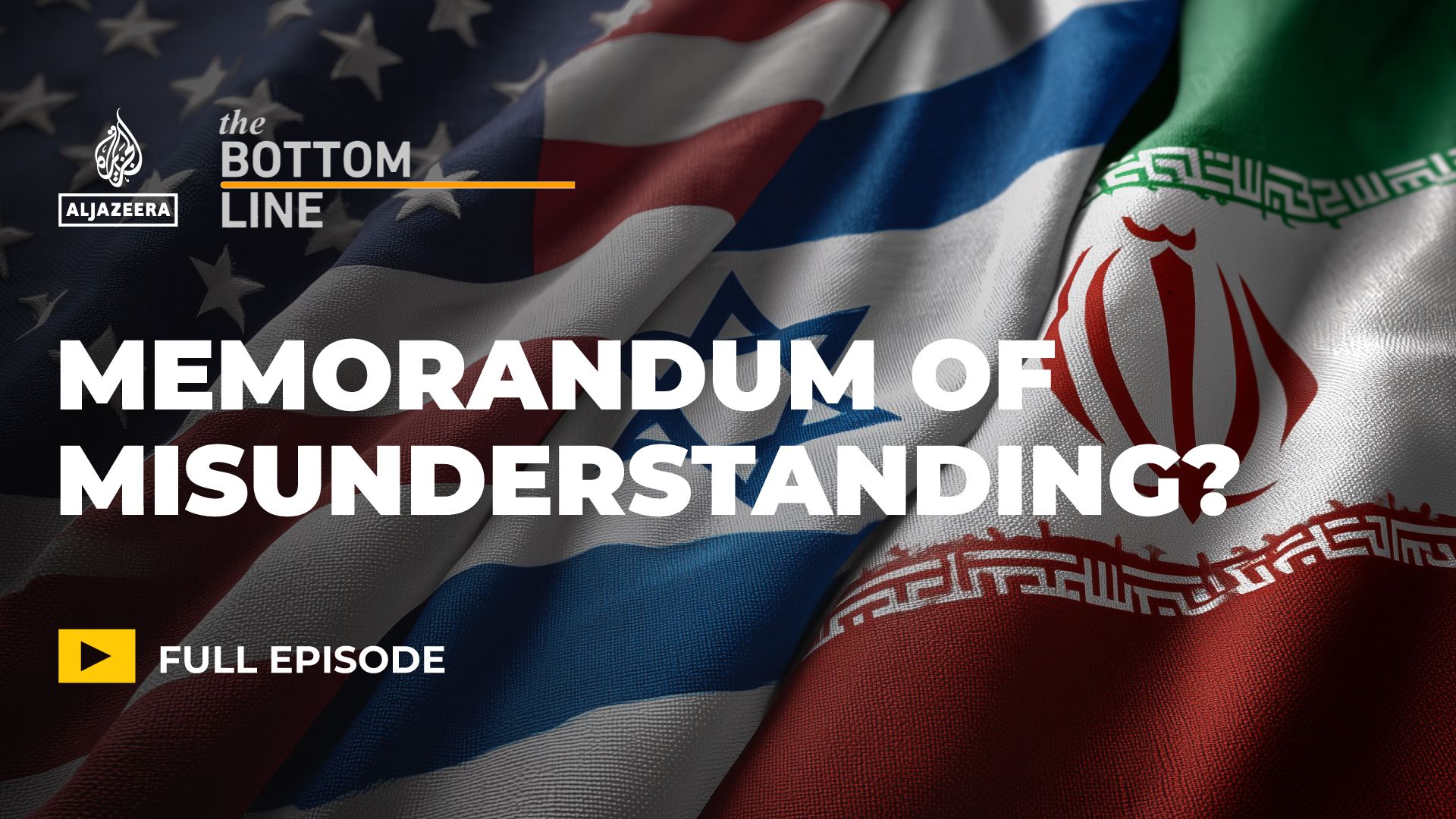
The intricate dance of international relations often hinges on delicate negotiations, yet for the foreseeable future, hopes for substantial progress in Iran US diplomacy appear remarkably faint. This grim assessment comes from Jeremy Scahill, co-founder of Drop Site News, who suggests that the current geopolitical climate, particularly Israeli actions in Lebanon, is actively undermining any potential for a lasting agreement between Tehran and Washington.
Speaking with host Steve Clemons, Scahill minced no words, stating that the likelihood of talks evolving beyond a mere memorandum of understanding into a comprehensive pact to resolve the ongoing US-Israel conflict with Iran remains “very, very slim.” His argument centers on a critical observation: the perceived inability of the US White House to exert control over its regional ally.
Obstacles to Iran US Diplomacy
The scepticism from Iranian leaders, Scahill contends, is not unfounded. He points to the Trump administration’s struggle to enforce even the most “minimal set of agreements” stipulated in the October 2025 Gaza ceasefire. If Washington cannot compel Israel to adhere to a previously brokered deal, why, then, would Tehran anticipate genuine progress in broader bilateral discussions? The credibility of the US as an impartial mediator, or even an effective enforcer of its own agreements, is severely questioned. This predicament casts a long shadow over the prospects for meaningful Iran US diplomacy.
Such complex dynamics require keen understanding of the historical context and regional power plays. For those seeking deeper insights into global policy discussions, the Council on Foreign Relations offers extensive analysis. Indeed, the ongoing friction, compounded by actions in territories like Lebanon, directly impacts the already fragile pathway toward any significant breakthrough. The future of Iran US diplomacy hangs precariously in the balance, a situation few observers anticipate will improve without fundamental shifts in regional approaches.
Ultimately, Scahill’s analysis paints a sobering picture of stalled negotiations, where regional instability and a perceived lack of US leverage could doom attempts to forge a comprehensive agreement.
About the Author