
Swine Flu Delhi News Live: CM Rekha Gupta Calls Emergency Meeting As H1N1 Cases Cross 2,300-Mark
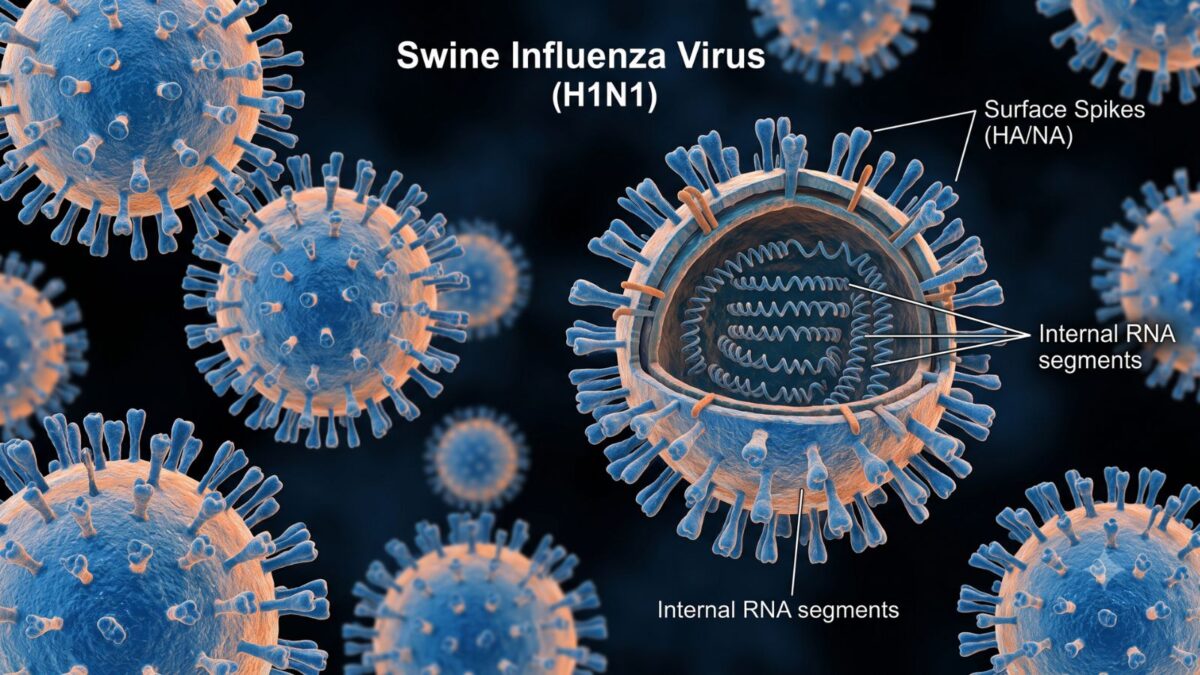
New Delhi finds itself once again grappling with a significant public health challenge as cases of Influenza A, predominantly the H1N1 variant, known commonly as Swine Flu Delhi, have surged alarmingly. With over 2,300 Influenza-A cases recorded this year, including a staggering 1,777 confirmed H1N1 infections by Friday, the capital’s health authorities have swung into emergency action. Chief Minister Rekha Gupta convened an urgent meeting to assess the escalating situation, signaling the gravity of the outbreak and the administration’s resolve to contain its spread.
The sudden uptick in cases has triggered widespread concern among residents and healthcare professionals alike. Historically, H1N1 gained global notoriety during the 2009 pandemic, demonstrating its potential for rapid transmission and severe health outcomes, especially in vulnerable populations. This current surge necessitates immediate and concerted efforts to protect public health and prevent a larger crisis.
Government Mobilizes Against Swine Flu Delhi
In response to the escalating numbers, the Delhi government promptly issued a comprehensive health advisory. This advisory underscores the critical importance of respiratory hygiene, urging citizens to conscientiously cover their mouths and noses when coughing or sneezing, preferably with a tissue or their elbow. Furthermore, it strongly advises against visiting crowded public spaces, a common vector for airborne viral transmission, and emphasizes the necessity of seeking timely medical advice at the onset of symptoms, rather than self-medicating or delaying consultation.
The state’s efforts are being bolstered by federal oversight. Union Health Minister J.P. Nadda held a high-level review meeting, concentrating on the national H1N1 influenza situation, with a particular spotlight on the national capital. Delhi Health Minister Pankaj Kumar Singh was also in attendance, highlighting the collaborative approach required to tackle such widespread health threats. Minister Nadda stressed the paramount importance of sustained vigilance, robust surveillance systems, and proactive preparedness across all healthcare facilities to effectively manage seasonal influenza cases.
Key Measures and Public Preparedness
The review conducted by Minister Nadda delved into several critical areas:
-
National Surveillance and Epidemiological Situation: Analyzing the patterns and geographical spread of the virus.
-
Trends in Influenza-Like Illness (ILI) and Severe Acute Respiratory Infection (SARI): Monitoring preliminary symptoms to identify potential cases early.
-
Testing and Laboratory Surveillance: Ensuring adequate testing capacity and rapid analysis to confirm diagnoses.
-
Preparedness of Healthcare Facilities: Assessing the readiness of hospitals and clinics to handle an influx of patients, including availability of beds, ventilators, and antiviral medications.
These measures are foundational to any effective public health response, aiming to track the virus, understand its trajectory, and provide timely medical intervention. The effectiveness of these strategies relies heavily on public cooperation. Adherence to basic hygiene practices, like frequent handwashing with soap and water or an alcohol-based hand rub, remains a powerful first line of defense against the transmission of respiratory viruses like H1N1.
The Swine Flu Delhi situation serves as a stark reminder of the persistent threat posed by infectious diseases and the constant need for public health infrastructure to be agile and responsive. While the immediate focus is on containment, experts also highlight the importance of annual flu vaccinations, which often include protection against prevalent H1N1 strains, as a crucial preventive step for individuals. The World Health Organization provides extensive information on seasonal influenza, emphasizing vaccination as a key tool for prevention.
Across India, various states are continually working to strengthen their healthcare systems and ensure citizen well-being. For instance, initiatives like the Punjab Mukh Mantri Sehat Yojana demonstrate regional efforts to provide accessible healthcare, a model of proactive government intervention that resonates during health crises.
The path forward for Delhi involves a multi-pronged approach: robust public awareness campaigns, rapid diagnostic capabilities, sufficient medical resources, and strict enforcement of preventive guidelines. As the capital navigates this health challenge, the resilience and cooperation of its citizens, combined with decisive governmental action, will be critical in mitigating the impact of the current Swine Flu Delhi outbreak.