
Punjab Mukh Mantri Sehat Yojana: 6 Lakh Treatments, Rs 10 Lakh Cashless Cover For Families
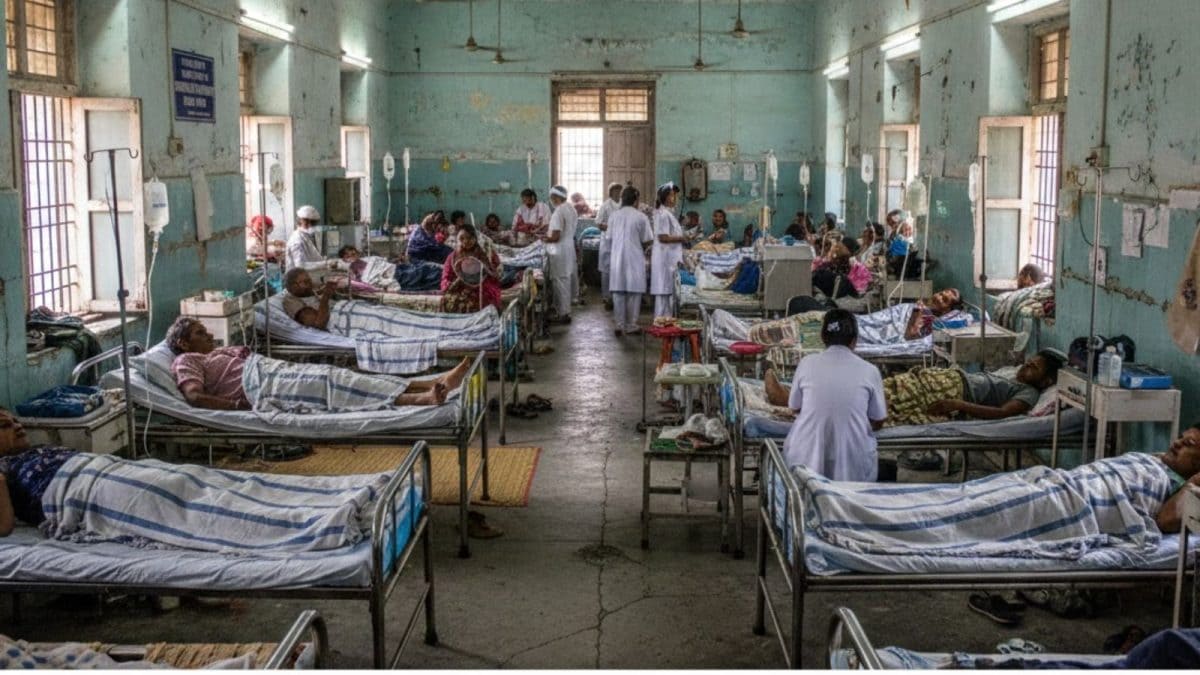
As India prepares to mark its 80th Independence Day, a remarkable milestone has been achieved in Punjab. The state’s flagship Mukh Mantri Sehat Yojana (MMSY), a groundbreaking Punjab Health Scheme, has gallantly surpassed six lakh treatments in a mere seven months. This ambitious initiative extends cashless healthcare coverage up to an impressive ₹10 lakh annually for eligible families, weaving a vital safety net for countless households across the region.
Official data from the State Health Agency paints a compelling picture of impact: over 26.18 lakh beneficiaries have already enrolled against an eligible base of 69.12 lakh families. To date, 3,02,906 individual patients have undergone treatment, translating to a staggering 6,06,892 distinct medical treatments and 15,267 specialized procedures. The scheme boasts 880 empanelled hospitals, both public and private, where the average claim value currently stands at a robust ₹14,628.04.
The Far-Reaching Impact of Punjab Health Scheme
Dr. Balbir Singh, Punjab’s Health and Family Welfare Minister, highlighted the scheme’s profound utility, particularly in addressing critical and high-cost medical conditions. “From vital dialysis sessions to complex cancer care, this Punjab Health Scheme has truly transformed lives, recording over six lakh treatments in Punjab,” he declared, emphasizing the breadth of services covered.
Indeed, specific data underscores this assertion. Chronic haemodialysis accounts for an astounding 1,99,417 treatments, while 60,504 cancer cases and 1,85,220 emergency interventions have been successfully managed. Cardiac care represents another significant area of intervention, with 10,428 PTCA procedures, including diagnostic angiographies, incurring an expenditure of ₹100 crore. Complex procedures like CABG treatments (611 cases, ₹8.20 crore) and pacemaker implants (507 cases, ₹6.79 crore) also feature prominently.
Orthopaedic care has seen substantial utilization too. The scheme has facilitated 11,796 total knee replacements, costing ₹94.89 crore, alongside 1,092 total hip replacements amounting to ₹10.75 crore. Additionally, more than 2,200 fracture fixation procedures have brought relief to many. Cancer treatment alone has seen approximately ₹159.41 crore disbursed for the reported 60,504 cases, with dialysis expenditure reaching ₹33.14 crore for 2,02,793 cases. This comprehensive coverage truly exemplifies the scheme’s commitment to public welfare. For broader insights into national health initiatives, one might consult resources from the Indian health ministry.
The efficacy of the Punjab Health Scheme is evident across both public and private sectors. Private facilities have managed a larger share, handling 3,36,161 cases compared to 2,70,731 cases in government hospitals. This translates to an expenditure of ₹614.08 crore in private facilities versus ₹479.85 crore in public institutions. Geographically, Patiala recorded the highest number of patients treated (28,977), closely followed by Bathinda (23,446), Ludhiana (22,620), and Jalandhar (20,193). Interestingly, Bathinda led in expenditure at ₹200 crore, surpassing Patiala (₹100 crore), Amritsar (₹99.23 crore), and Jalandhar (₹91.30 crore).
For beneficiaries, the scheme has been nothing short of a lifeline, eradicating the daunting task of accumulating substantial funds for treatment. Sandeep Kaur, recovering from gallbladder and spine-related conditions, exuded optimism: “After successful treatment, I am much better than before. I am living my life with new hope.” Nishi Gupta, battling breast cancer, praised her Health Card for enabling expense-free treatment: “My breast cancer treatment has started free of cost and is continuing without any expense. This has brought great relief to me and my family.” Similarly, Hakam Singh of Patiala, who received free heart treatment, now anticipates a happier future. Gurcharan Singh poignantly recalled the pre-scheme anxiety: “We would have just died thinking about where we would get the money from.” The Mukh Mantri Sehat Yojana has truly alleviated such profound financial fears.