
Syria’s Al-Sharaa reshuffles security and intelligence leadership
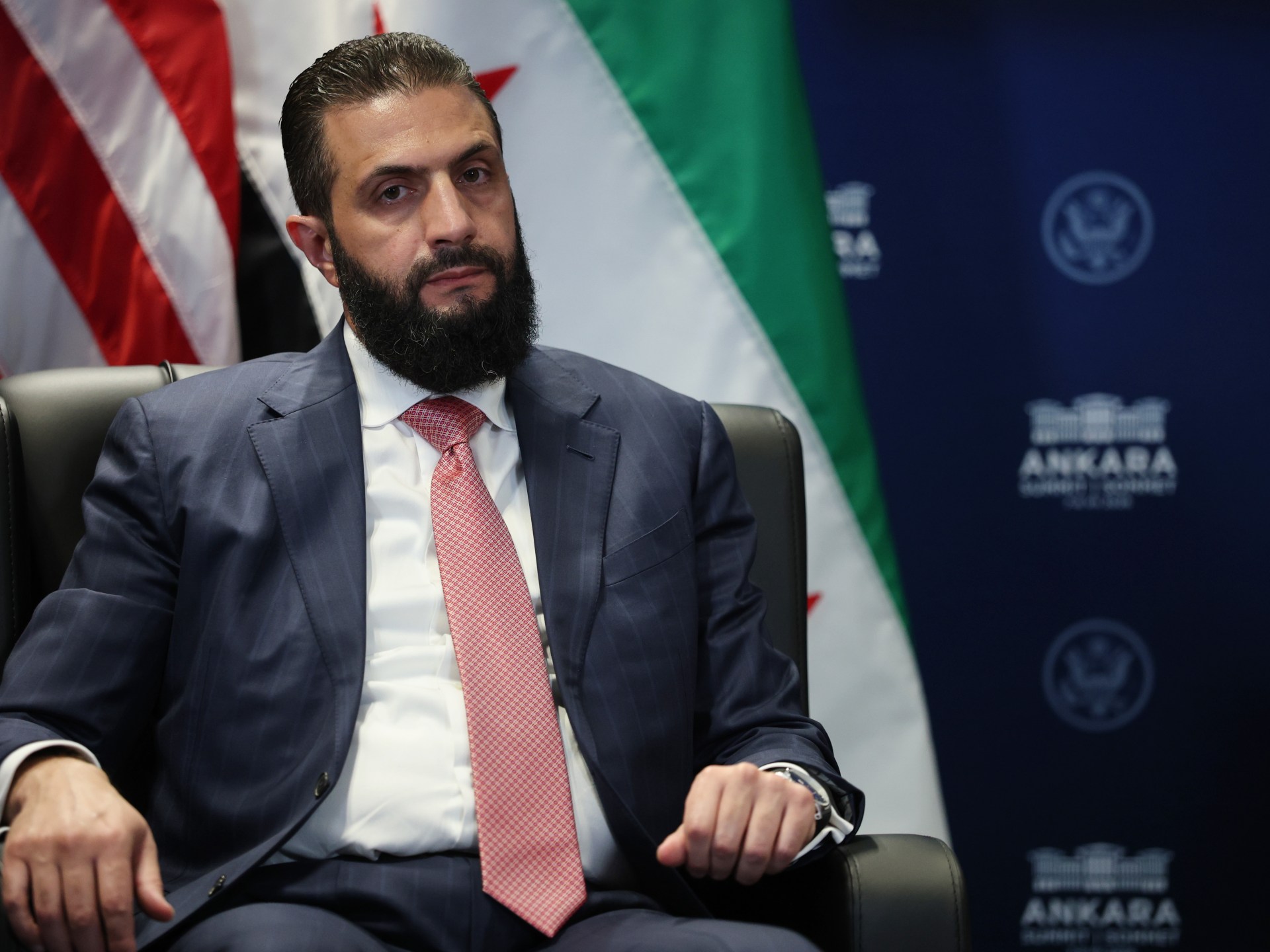
DAMASCUS — President Ahmed al-Sharaa’s administration has executed a sweeping Syria security reshuffle, fundamentally altering the nation’s intelligence and internal affairs leadership. This audacious move, announced just days ago, sees the Interior Minister’s mandate dramatically expanded, alongside the appointment of a new intelligence chief, signaling a determined effort to consolidate state control and pave the path for future reconstruction efforts across the war-torn country.
The changes, formally reported by the state news agency SANA on Sunday, are significant. Interior Minister Anas Khattab has been elevated, assuming the pivotal additional role as head of the National Security Bureau. This crucial body oversees Syria’s diverse array of security agencies, effectively placing the nation’s entire internal security apparatus directly under his unified command. Alongside this, Hussein al-Salamah steps in as the bureau’s deputy head, with Mulham al-Shantout now serving as assistant interior minister for security affairs. Furthermore, Abdul Qader Tahan has been installed as the new chief of the General Intelligence Service.
The Rationale Behind Syria Security Reshuffle
Syrian authorities articulate this dramatic overhaul as an essential component in their broader strategy to fortify national security, cultivate stability, and dismantle entrenched obstacles hindering post-conflict reconstruction. The General Intelligence Service, tasked with critical functions like intelligence gathering, threat assessment, and counter-espionage, now operates under the direct legal purview of Minister Khattab. This institutional restructuring centralizes oversight, placing unprecedented power in the hands of one of al-Sharaa’s most influential cabinet members.
Omer Ozkizilcik, a nonresident senior fellow with the renowned foreign policy think tank, offered insights into the implications of these changes. He suggests to Al Jazeera that the present Syria security reshuffle largely reflects a concerted drive to formalize power structures. Many of these arrangements, Ozkizilcik points out, were initially established during al-Sharaa’s administration in Idlib, where Khattab often managed both intelligence and policing responsibilities, roles that occasionally intersected with Salamah’s duties.
This transitional government, led by al-Sharaa, emerged just a month after former President Bashar al-Assad’s departure to Russia in December 2024, effectively ending decades of the Assad family’s iron-fisted rule. Since then, al-Sharaa’s administration has striven to project an image of unity and reform, diligently working to bring Syria’s notoriously fragmented security landscape under centralized state control.
Indeed, this comprehensive shake-up follows a tumultuous period for Syria’s security services. Early July saw an explosion rip through a café near the main judicial complex in Damascus, claiming at least ten lives. Just five days later, explosive devices hidden in a rubbish bin and a parked car detonated in the capital, injuring dozens during French President Emmanuel Macron’s historic meeting with al-Sharaa at the presidential palace. Syrian authorities swiftly attributed both attacks to an ISIL-linked cell, tracing suspects through extensive security camera footage.
Adding to the recent instability, customs officers at the Iraqi border intercepted a significant shipment of missiles, rockets, and drones concealed within an oil tanker. Authorities stated the consignment was destined for Hezbollah, the Iran-aligned group in Lebanon, though Hezbollah vehemently denied these allegations. These incidents underscore the persistent internal and external security challenges facing the nascent government, providing a stark backdrop to the necessity of a robust and unified security apparatus. The recent political and diplomatic breakthroughs, including Macron’s visit and the US announcement of removing Syria from its list of state sponsors of terrorism following a NATO summit, only heighten the stakes for maintaining internal stability and projecting strength on the international stage. These developments underscore the strategic imperative behind the comprehensive adjustments in Syrian leadership.