
Telangana Man Killed In Russian Strike In Ukraine: Mortal Remains To Reach Hyderabad On October 31
Introduction & Key Takeaways
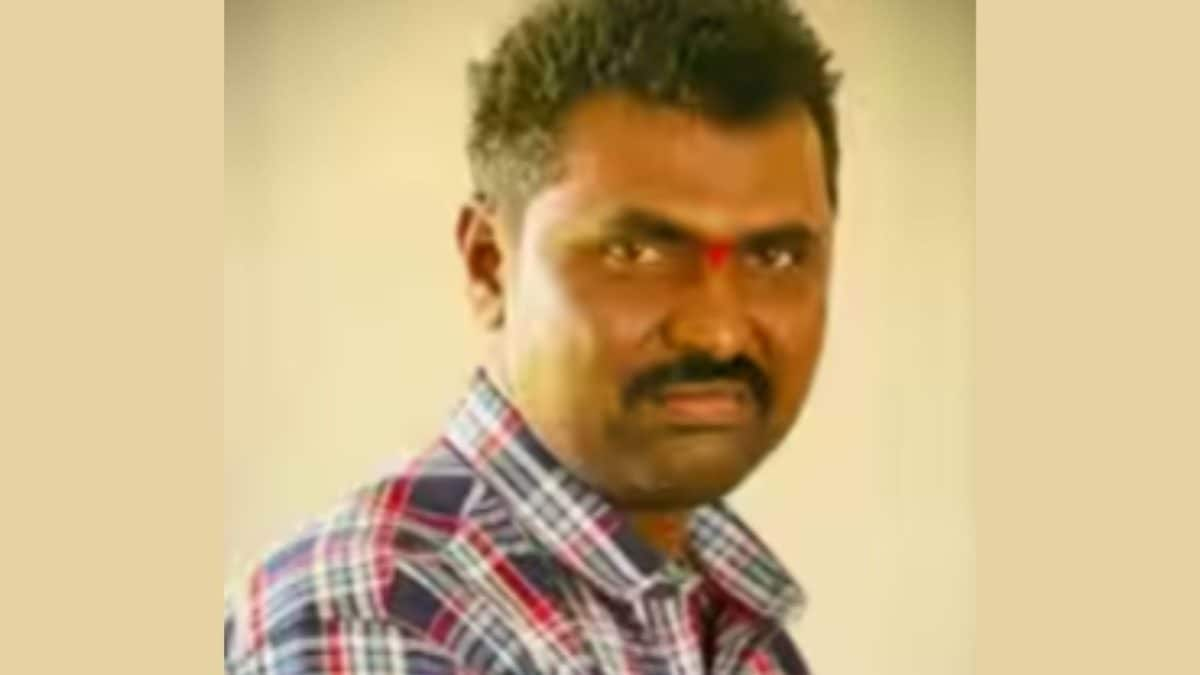
The tragic loss of Avilala Sudarshan Goud, a native of Telangana, serves as a grim reminder of the global human toll of the ongoing conflict in Ukraine. After months of uncertainty following his death in a Russian missile strike, his family is finally preparing for his final rites. This case highlights the complexities of international logistics and diplomatic intervention in war zones.
- Avilala Sudarshan Goud was killed on September 1, 2026, during a missile attack.
- The remains will arrive in Hyderabad on October 31 after a complex transit through Poland and the Netherlands.
- Governmental and NRI advisory bodies played a crucial role in navigating the bureaucratic hurdles.
Background & Context
Avilala Sudarshan Goud was a resident of Hasanabad village in the Jagtial district. His journey to Ukraine, like many others seeking economic opportunity, became caught in the crosshairs of a geopolitical conflict. When he was killed in early September, his family faced an agonizing waiting period. For families dealing with the challenges of global instability, the absence of their loved ones is compounded by the immense difficulty of international bureaucracy.
Root Cause & Deep Dive Analysis
The delay in repatriating Goud’s remains was not merely logistical but legal. Following his death, local authorities in the region of the strike initiated a standard investigation, and a criminal case was registered to document the event. In any conflict zone, the preservation of evidence is mandatory, which often prevents immediate release of remains to grieving families. Furthermore, the absence of direct air corridors from Ukraine necessitates a multi-stage transit plan. The coffin must be moved via ground transport to Poland, followed by an air transit through hubs like Amsterdam. Similar procedural complexities were also noted in international humanitarian protocols during wartime.
Strategic Implications & Future Impact
This incident reflects the broader risks faced by the Indian diaspora globally. The Telangana state government intervention, involving the CM Pravasi Prajavani and the NRI Advisory Committee, underscores the necessity of having robust support systems for migrant workers. As more citizens travel to volatile regions for work, the need for proactive diplomatic channels becomes apparent. The state must navigate these diplomatic channels carefully, ensuring that legal requirements are met while addressing the humanitarian needs of the citizens. This case also mirrors discussions found in regional updates, such as those regarding government intervention in tragedies, where administrative efficiency dictates the speed of closure for affected families.
Conclusion & What to Watch Next
As the mortal remains reach Hyderabad, the immediate focus remains on providing closure to the Goud family. Looking ahead, this event acts as a prompt for authorities to evaluate how they assist NRIs caught in conflict. It remains a stark reminder that while individual aspirations drive global migration, the volatility of current international relations can lead to unforeseen consequences that require immediate and coordinated government action.