
Thousands protest across Poland for access to free and legal abortions
Introduction and Key Takeaways
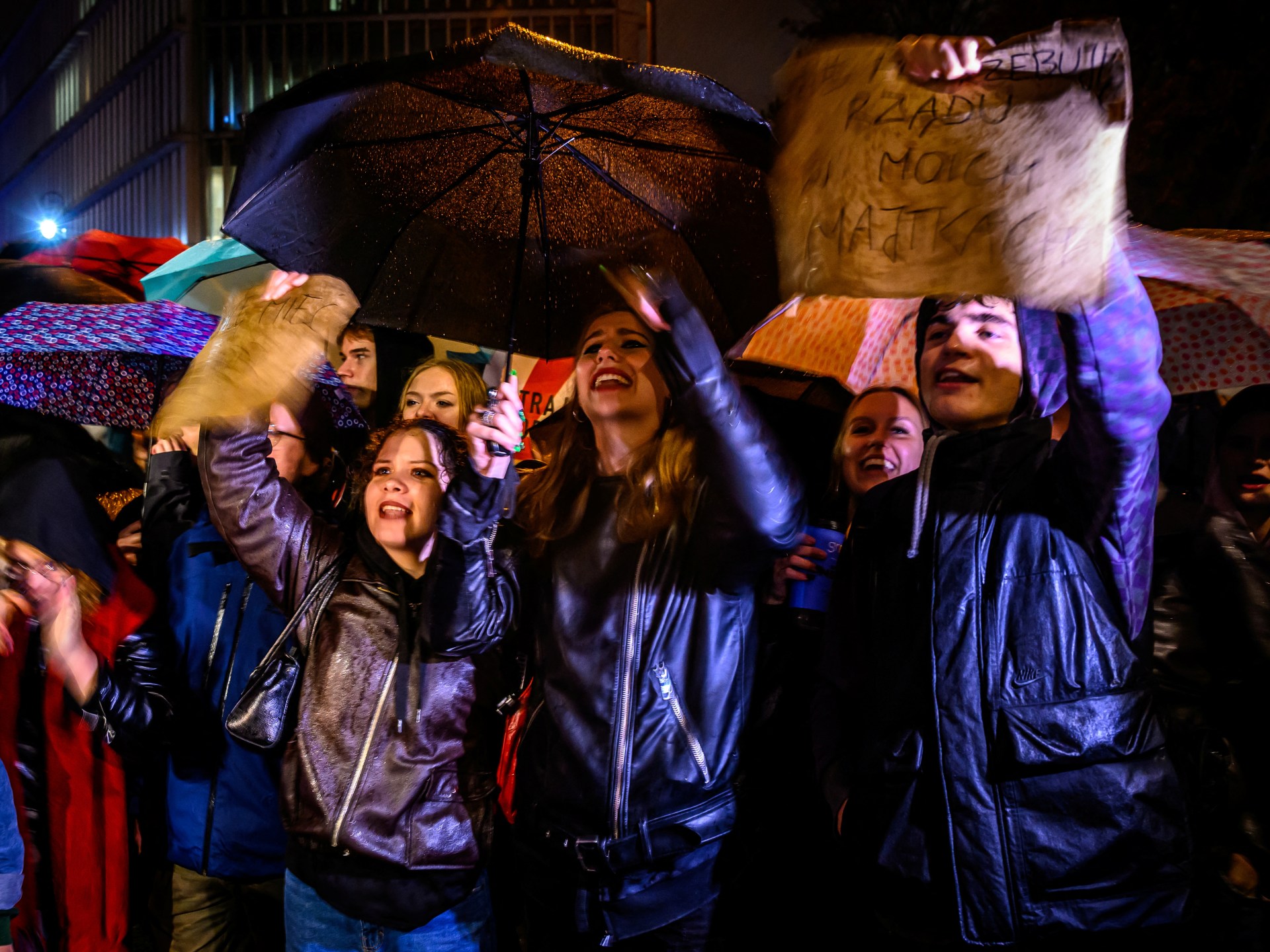
Thousands of citizens have taken to the streets across more than 20 cities in Poland, marking the sixth anniversary of a restrictive ruling that significantly curtailed reproductive rights. The mass demonstrations highlight a growing divide between the public’s desire for liberalized access and the slow pace of legislative reform. This Poland abortion crisis serves as a focal point for broader European discussions on bodily autonomy and the tension between conservative institutions and democratic mandates.
Key takeaways from the current situation include:
- Demonstrators are demanding the government fulfill its 2023 campaign promises to decriminalize the procedure.
- The current legislative stalemate is exacerbated by deep divisions within the governing coalition and a potential presidential veto.
- Activists argue that the government’s recent legislative efforts are merely token gestures designed for electoral gain rather than substantive change.
- Despite legal restrictions, home-based pharmacological abortions remain a primary, albeit clandestine, avenue for many, as reported by global health monitors.
Background and Context: What Just Happened?
The protests stem from a 2020 ruling by Poland’s Constitutional Tribunal, which effectively banned abortions in cases of fetal congenital defects. This move stripped away one of the few legal grounds for the procedure, leaving termination as an option only in cases of rape, incest, or direct threats to the mother’s health. Following a high-stakes election in 2023, the government led by Donald Tusk promised a return to more liberal reproductive policies. However, six years after the initial ban, frustration is boiling over as women realize that the political landscape remains largely stagnant. For those interested in the wider implications of civil rights movements, it is worth examining how advocacy and political dissent shape national narratives.
Root Cause and Deep Dive Analysis
Why has the promise of change remained unfulfilled? The root cause lies in a complex interplay of conservative influence and parliamentary gridlock. Poland, traditionally a deeply Catholic country, remains influenced by powerful conservative stakeholders, including President Karol Nawrocki. While the current parliament has passed bills aimed at easing restrictions, these efforts are viewed by many as theatrical. Activist Zofia Marcinek of the Abortion Dream Team has characterized these actions as disinformation. By claiming that abortion access has improved, the government may be creating a false sense of security that ironically leaves vulnerable individuals in more dangerous, late-stage situations where medical intervention becomes significantly more complex.
Strategic Implications and Future Impact
The ongoing Poland abortion protests carry profound geopolitical weight. The European Union has frequently clashed with Warsaw over rule-of-law issues, and reproductive rights are becoming a litmus test for the democratic health of member states. If the Polish government continues to prioritize political optics over policy execution, it risks long-term erosion of its support base among younger, progressive voters. Furthermore, as activists continue to create informal support networks, the gap between the formal law and the daily reality of medical necessity continues to widen. This creates a scenario where the state loses its moral authority on public health issues, potentially forcing a more confrontational approach from civil society in the lead-up to the next general election.
Conclusion and What to Watch Next
The path forward for Poland remains uncertain. With a potential veto from the president looming over pending bills, the immediate future suggests that change will not come through the legislative chamber alone. Observers should watch for how the government responds to the sustained pressure from the streets. Will they gamble on a more radical push for reform, or will they continue to attempt a middle-ground approach that satisfies neither the conservative base nor the activist community? The Poland abortion debate is far from over, and it remains a defining issue for the country’s social fabric in the coming decade.