
Trade, Iran and Taiwan on the agenda as Trump arrives in China for high-stakes talks with Xi
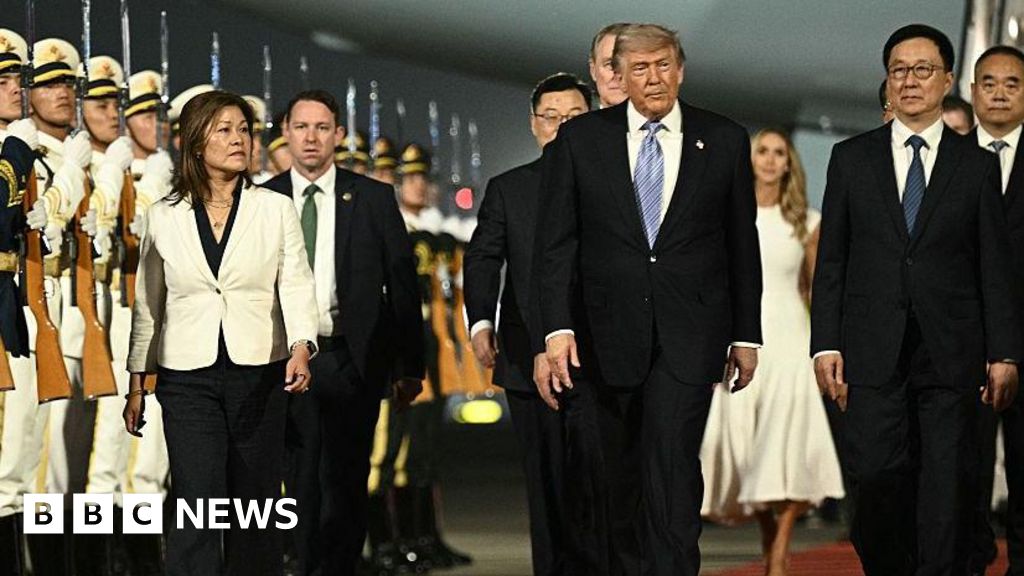
US President Donald Trump touched down in Beijing Wednesday evening, amidst a flurry of diplomatic anticipation for the high-stakes Trump China Talks with his Chinese counterpart, Xi Jinping. The two-day summit promises to navigate a labyrinth of pressing global issues, from contentious trade imbalances to the fraught geopolitical landscapes of Iran and Taiwan.
A palpable sense of occasion hung in the air as President Trump, descending from Air Force One, was met with a dazzling display of pomp. Chinese Vice-President Han Zheng, a figure of significant stature within Beijing’s leadership, personally greeted the American leader—a stark departure from his 2017 visit, signaling an elevated level of respect from the host nation. The red carpet unfurled, a brass band played, and flag-waving crowds chanted fervent welcomes, while a notable contingent of American tech industry titans, including Elon Musk and Tim Cook, accompanied the president, underscoring the commercial gravitas of the delegation.
The Core of the Trump China Talks: Trade, Tech, and Tariffs
At the heart of these critical Trump China Talks lies the thorny issue of trade. Bilateral exchanges have seen a significant contraction, plummeting from $690.4 billion in 2022 to a mere $414.7 billion last year. Trump’s stated primary objective is to ‘open up’ China for American innovation and to redress the substantial trade deficit, a chasm exceeding $200 billion in favor of China. Beijing, meanwhile, seeks relief from Washington’s tariffs and robust access to essential computing chips for its burgeoning AI sector, while subtly holding the strategic card of rare earth metals, crucial for advanced technologies.
Beyond economics, the summit will grapple with two volatile geopolitical flashpoints: Iran and Taiwan. China, a major consumer of Iranian oil, finds its energy lifelines constrained by regional conflicts impacting the Strait of Hormuz. Washington continues to press Beijing to leverage its historic influence to de-escalate tensions in the Middle East, a notion Trump has publicly downplayed, stating the US ‘doesn’t need any help.’ Concurrently, the delicate status of Taiwan looms large. Despite a substantial $14 billion US arms deal for the island last year, bipartisan senatorial pressure highlights the need for a clear affirmation of American support, emphasizing that backing for Taiwan is ‘not up for negotiation’ during these pivotal discussions.
The agenda for Trump’s brief visit is packed. Following his formal welcome ceremony at the Great Hall of the People and a state banquet, bilateral meetings and a ‘friendship photo’ in Beijing’s Zhongnanhai Garden are slated for Thursday. The consequential dialogues, widely anticipated to set the tone for future superpower dynamics, will conclude Friday, after a working lunch with President Xi. The ripple effects of these engagements could reshape not just immediate policy, but the enduring trajectory of global trade policies and international relations for years to come.