In a stunning declaration that sent ripples across global financial markets, President Donald Trump has explicitly suggested the United States might impose **Strait of Hormuz tolls** following the recent conflict. Washington, he asserts, as the undisputed victor of the war, holds a distinct “concept” for levying charges on vessels traversing the immensely strategic waterway. This audacious proposal could dramatically reshape international maritime commerce and geopolitical power dynamics.
Addressing reporters on Monday, a resolute Trump dismissed any notion of Iran collecting fees from ships. Instead, he posed, with characteristic bluntness: “What about us charging tolls? I’d rather do that than let them have them. Why shouldn’t we? We’re the winner. We won.” His comments come despite persistent drone and missile attacks from Tehran and its ongoing blockade of the critical shipping lane, challenges that seem to contradict the President’s triumphant narrative of military defeat.
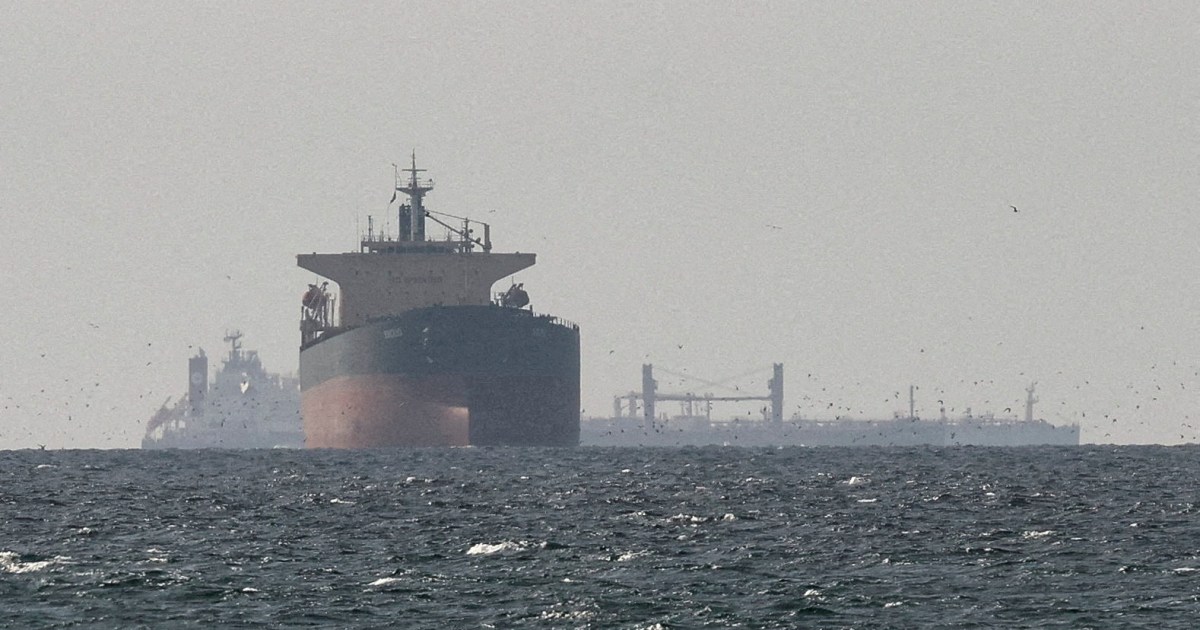
Indeed, this critical choke point, connecting the Gulf to the vast Indian Ocean, typically facilitates approximately 20 percent of the world’s oil and liquefied natural gas (LNG) traffic. It is a lifeline for global energy supplies, lying predominantly within Omani and Iranian territorial waters. The implications of any nation unilaterally imposing a levy are, to put it mildly, monumental.
The Concept of Strait of Hormuz Tolls
Trump’s latest comments coincide with a “final” ultimatum issued to Tehran: reopen the Strait of Hormuz and capitulate to Washington’s demands, or face devastating strikes against Iranian civilian infrastructure. The US President underscored that any future deal must guarantee “free traffic of oil,” a non-negotiable condition for Washington.
Adding further complexity to an already volatile situation, reports indicate that Iran itself has been exacting tolls for the limited number of ships it permits passage. Iranian Parliament Speaker Mohammad Bagher Ghalibaf recently declared that the “Strait of Hormuz situation won’t return to its pre-war status,” while Foreign Minister Abbas Araghchi called for “new arrangements” to manage the waterway. He proposed drafting a fresh protocol, ideally involving the littoral states, to ensure safe passage and protect Iran’s national interests.
As the international community grapples with these unprecedented suggestions, the White House has also indicated that the President is exploring the possibility of requesting Arab nations to contribute financially to America’s war expenditures. This unfolds amid evolving regional geopolitical dynamics that underscore the complex interplay of power and economic leverage in the post-conflict Middle East.
About the Author