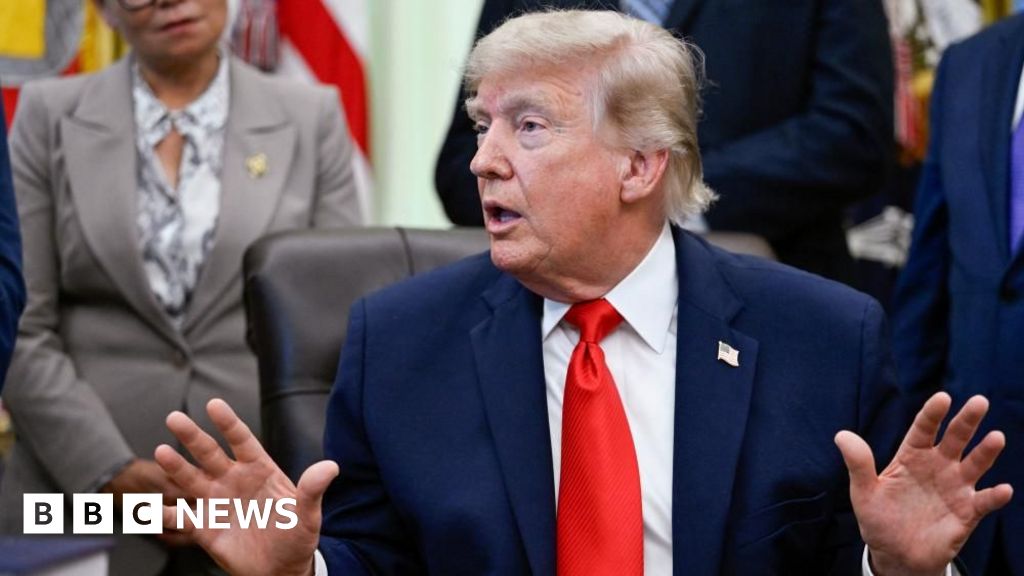
In a whirlwind of diplomatic pronouncements and stark denials, President Donald Trump declared a momentous US-Iran deal was set for signing this Sunday. Yet, as the ink metaphorically dried on his assertive social media posts, Tehran swiftly cast a pall of doubt over the audacious timeline, injecting a dose of characteristic Mideast unpredictability into the global arena.
Trump, via his Truth Social platform, asserted that the agreement would not only halt the protracted conflict but also immediately reopen the vital Strait of Hormuz to all shipping. His optimistic vision included a future retrieval and destruction of what he cryptically termed “Nuclear Dust” from Iran’s enriched uranium stockpiles – a direct nod to long-standing Western concerns about Tehran’s nuclear ambitions, which Iran consistently maintains are purely for peaceful energy generation and research.
The Elusive US-Iran Deal: Conflicting Signals Emerge
While Washington’s enthusiasm soared, Iranian foreign ministry spokesman Esmail Baghaei struck a cautious note, explicitly stating that the exact signing date for any memorandum of understanding remained uncertain and, crucially, “will not be tomorrow [Sunday].” This divergence underscores the fragile nature of the negotiations, even as mediators like Pakistan and Qatar – with a delegation arriving in Tehran on Sunday – work tirelessly behind the scenes to bridge the chasm of mistrust.
Pakistani Prime Minister Shehbaz Sharif had earlier expressed palpable hope, suggesting a deal was “closer than ever before” and electronic signing was imminent. US officials, too, have confirmed elements of the proposed agreement, tying potential economic benefits for Iran directly to its compliance with obligations, a familiar refrain in complex international negotiations.
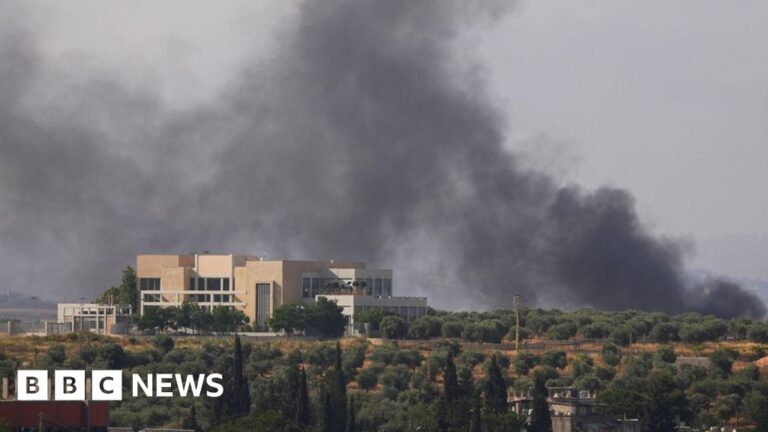
However, the path to peace is riddled with fresh complications. The conflict between Israel and the Iran-backed Hezbollah in Lebanon continues to flare, threatening to derail the delicate negotiations. Despite a ceasefire agreed upon in April between the US and Iran, intermittent exchanges of fire persist. Iran reportedly insists that an end to the Israel-Hezbollah conflict be part of the broader **US-Iran deal**, a condition Israel flatly rejects, vowing to continue strikes against Hezbollah in response to attacks on its northern territory.
Indeed, just this Sunday, Israel launched an airstrike on Beirut’s southern suburbs, a known Hezbollah stronghold, confirming the attack as retaliation. This follows earlier Israeli bombings in Iran, themselves a response to Iranian missile attacks on Israel. These ongoing hostilities paint a stark picture: even as leaders speak of peace, the region remains a tinderbox, and the ultimate fate of this much-anticipated **US-Iran deal** hangs precariously in the balance.
About the Author