
Trump warns ‘clock is ticking’ for Iran as peace progress stalls
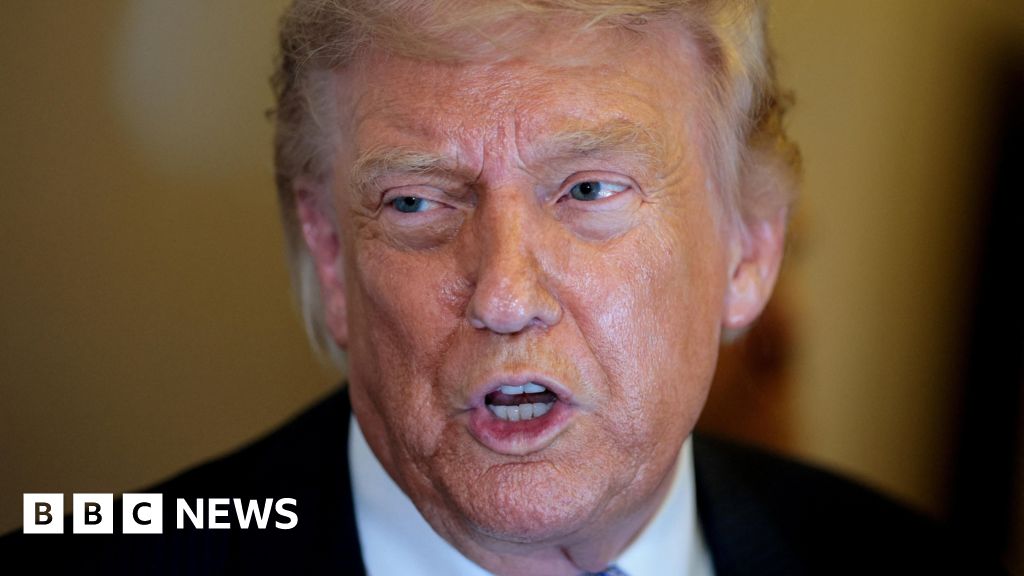
President Donald Trump delivered a potent warning to Iran today, declaring that “the clock is ticking” as crucial peace negotiations teeter on the brink of collapse. This stern Trump Iran warning underscores a deeply fractured diplomatic landscape, with both sides seemingly entrenched in their positions.
Taking to his Truth Social platform, Trump vehemently urged Tehran to act swiftly. “They better get moving, FAST, or there won’t be anything left of them,” he wrote, emphasizing, “TIME IS OF THE ESSENCE!” This stark message surfaced just hours prior to the president’s scheduled discussions with Israeli Prime Minister Benjamin Netanyahu.
Concurrently, Iranian media outlets painted a bleak picture, with the semi-official Mehr news agency reporting that Washington had failed to offer any concrete concessions in response to Tehran’s latest peace proposals. A lack of genuine compromise from the US, they warned, would inevitably lead to an “impasse in the negotiations.”
Trump’s latest outburst eerily echoes a previous, chilling threat that an entire “civilisation” could perish without a peace agreement – a statement made shortly before a ceasefire was announced in early April. Just this week, the president described the existing truce as being on “massive life support” after flatly rejecting Tehran’s demands, labeling them “totally unacceptable.”
Esmail Baghaei, an Iranian foreign ministry spokesperson, however, insisted that their proposals were both “responsible” and “generous.” These demands reportedly included an immediate cessation of hostilities on all fronts, a halt to the US naval blockade of Iranian ports, and guarantees against any future attacks on Iran. Furthermore, Tehran sought compensation for war damage and reasserted its sovereignty over the Strait of Hormuz.
Escalating Tensions: The Trump Iran Warning
In contrast, Iran’s semi-official Fars news agency revealed Washington’s five conditions for a resolution. Key among these were demands that Iran operate only a single nuclear site and transfer its stockpile of highly enriched uranium to the US. Interestingly, Trump had suggested a willingness to accept a 20-year suspension of Iran’s nuclear program just days earlier, indicating a potential shift from his previous stance demanding its complete dismantlement – a significant sticking point between the two nations. This latest Trump Iran warning suggests little actual movement toward an agreement despite such hints.
The fragile ceasefire, put in place in early April following extensive US and Israeli airstrikes that commenced on February 28, has largely held, though sporadic exchanges of fire have been reported. Complicating matters further, Iran continues to assert control over the vital maritime chokepoint, the Strait of Hormuz. This strategic waterway is crucial, facilitating the passage of approximately 20% of the world’s oil and liquefied natural gas. Iran claims its actions here are retaliatory, directly contributing to a global surge in oil prices.
The United States, for its part, has been rigorously enforcing a naval blockade of Iranian ports, a calculated move to exert maximum pressure on Tehran to accede to its terms. Despite Pakistan’s persistent efforts to mediate between the two adversaries, the chasm separating Washington and Tehran remains formidable, casting a long, dark shadow over the prospects for lasting peace.