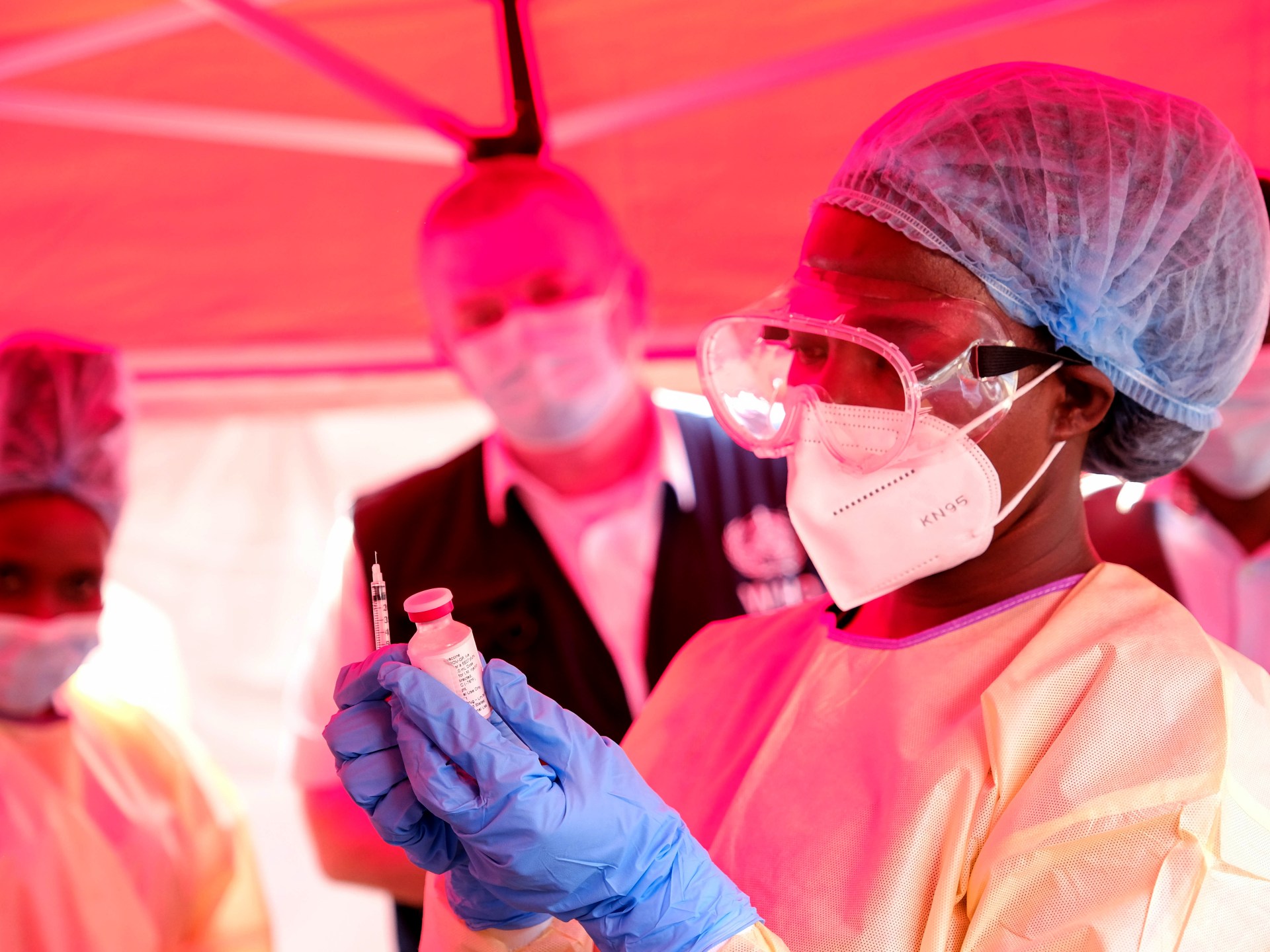
Uganda has tragically confirmed three additional Uganda Ebola cases, pushing the national tally for this latest outbreak to five. This urgent development has prompted immediate, intensified contact tracing efforts across the nation, aiming to halt further spread of the deadly virus.
The Ministry of Health’s announcement on Saturday followed a critical re-evaluation by the World Health Organization (WHO), which elevated the risk assessment for the aggressive Bundibugyo strain of Ebola to “very high at the national level.” What does this truly mean for ordinary Ugandans? It signifies a profound shift in the public health landscape, demanding heightened vigilance from every citizen.
Among the newly identified patients is a driver who had transported Uganda’s initial confirmed case, along with a dedicated health worker exposed during the care of that very individual. Both are currently receiving critical treatment, meticulously identified through rigorous contact tracing protocols. Furthermore, a third new case involves a woman from the Democratic Republic of Congo (DRC) who entered Uganda exhibiting mild abdominal symptoms. After initially improving and returning to DRC, a follow-up prompted by a vigilant pilot revealed her positive test result for Ebola.
Heightened Vigilance Amidst Uganda Ebola Cases Expansion
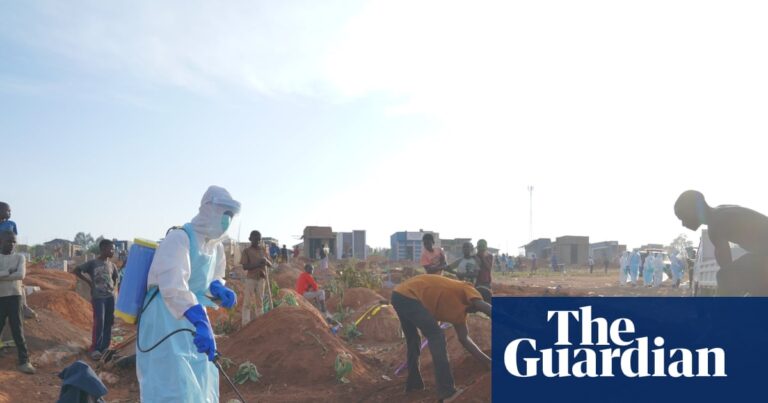
The spectre of Ebola looms large, especially given the catastrophic situation in neighboring DRC, the epicenter of the current outbreak. There, nearly 750 suspected cases and a heartbreaking 177 suspected deaths have been recorded. First responders in the DRC grapple with severe shortages of basic supplies, a dire consequence some attribute to significant foreign aid cuts from major international donors.
The WHO continues to highlight the myriad challenges in containing the virus, citing late detection, the absence of approved vaccines or specific therapeutics, widespread armed violence, and considerable population mobility as critical vulnerabilities. In a proactive measure, Uganda suspended all public transport to the DRC on Thursday, responding to earlier confirmations of two Ebola cases involving Congolese nationals who had crossed the border.
All individuals identified as contacts of the confirmed Uganda Ebola cases are under close monitoring, the Health Ministry reiterated. They implore the public to remain extraordinarily vigilant and report any suspected symptoms without delay. “At this critical moment in the outbreak response, it is vital that authorities maintain high vigilance to control expansion of the virus,” stated WHO Director-General Tedros Adhanom Ghebreyesus, emphasizing the collaborative efforts between the WHO, Africa Centres for Disease Control and Prevention, and partners in both the DRC and Uganda to contain this escalating crisis and support affected communities. For comprehensive information on how such outbreaks are monitored and managed globally, consider exploring resources on global health surveillance.
About the Author