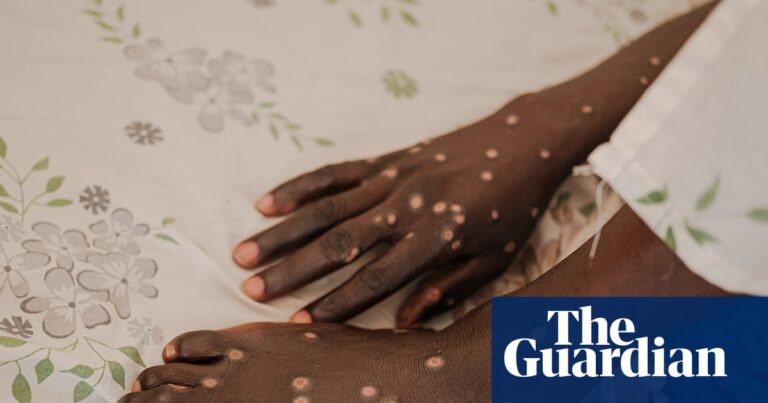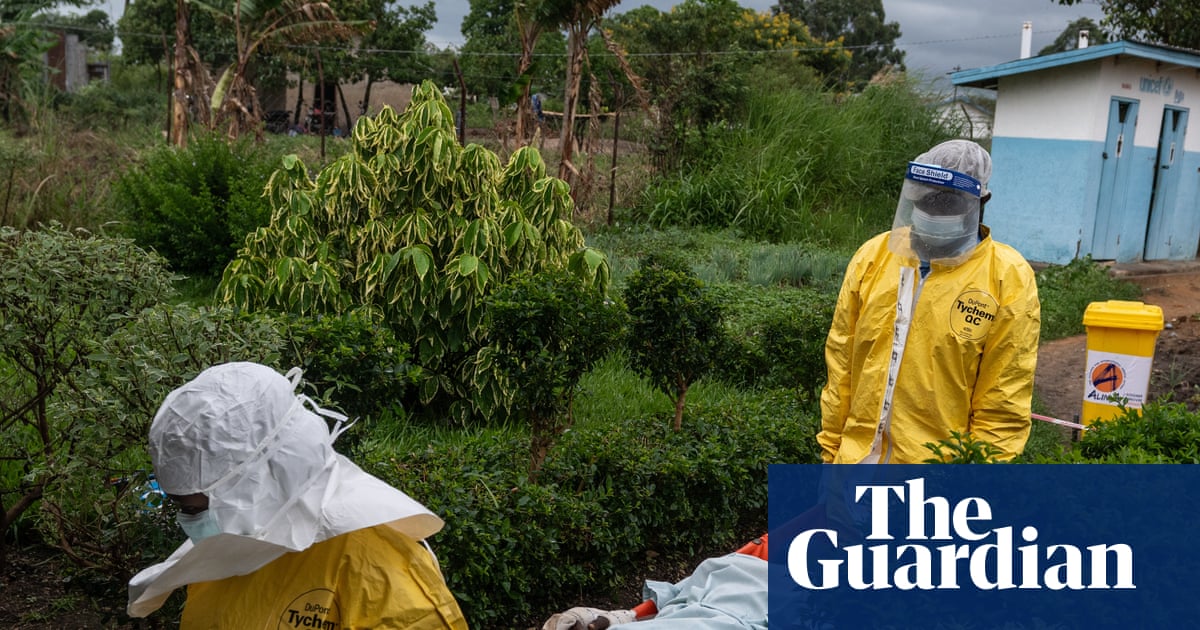
The already grave health crisis in the Democratic Republic of Congo has escalated dramatically. In a startling revision, the World Health Organization (WHO) has declared the current Ebola outbreak DRC poses a “very high” risk to the nation, with suspected cases tripling in a mere week. What began as a severe health concern is rapidly spiraling into a deeply troubling humanitarian emergency.
A staggering surge now sees nearly 750 suspected cases and 177 reported deaths, a stark leap from just 246 cases and 65 fatalities a week prior. Dr. Tedros Adhanom Ghebreyesus, WHO’s director-general, minced no words, describing the situation as “deeply worrisome.” This dramatic increase underscores the perilous speed at which the virus is propagating through vulnerable communities.
Challenges Hampering the Ebola Outbreak DRC Response
Compounding the biological threat, a grave incident in Rwampara, Ituri province, saw tents and critical medical supplies for an Ebola treatment center set ablaze. This violent act, reportedly fueled by a local crowd’s anger over not being permitted to retrieve a deceased man’s body – a crucial infection control measure for Ebola victims – exemplifies the “significant distrust of outside authorities” that Dr. Tedros highlights as a major impediment. “Building trust in the affected communities is critical to a successful response,” he emphasized, signaling it as a top priority. Dr. Anne Ancia, WHO’s representative in the DRC, lamented that this specific attack would “significantly jeopardise” the response operations there, though she expressed hope for a swift reopening.
The current Ebola outbreak DRC is attributed to the Bundibugyo strain, for which no existing vaccines or treatments are readily available. While most cases concentrate in Ituri province, isolated instances have emerged elsewhere in the country, and even two in neighboring Uganda. Officials suggest that the rising numbers, paradoxically, might indicate improved detection efforts, with a slight decrease in positive samples hinting that more individuals with potential symptoms are being identified. Still, Ancia cautioned, “We are running behind, we are not yet under control.”
Despite the daunting circumstances, including a lack of adequate resources and staffing issues cited by humanitarian organizations like Care International and Action Against Hunger, there is a glimmer of hope. Scientists, as revealed in a WHO press briefing, have pinpointed an antiviral drug, novel pharmaceutical compound, which shows promise in preventing the disease in contacts of Bundibugyo cases. Trials are now being expedited in the affected regions.
Ancia voiced confidence in the eventual success of the response. “I can guarantee you that together, we will manage to get over this outbreak as soon as we can,” she declared. While the national risk for the DRC has been escalated, the regional threat remains high, and the global risk is still assessed as low.
About the Author