
Uganda copying Russia and China with new bill designed to crush dissent, say critics
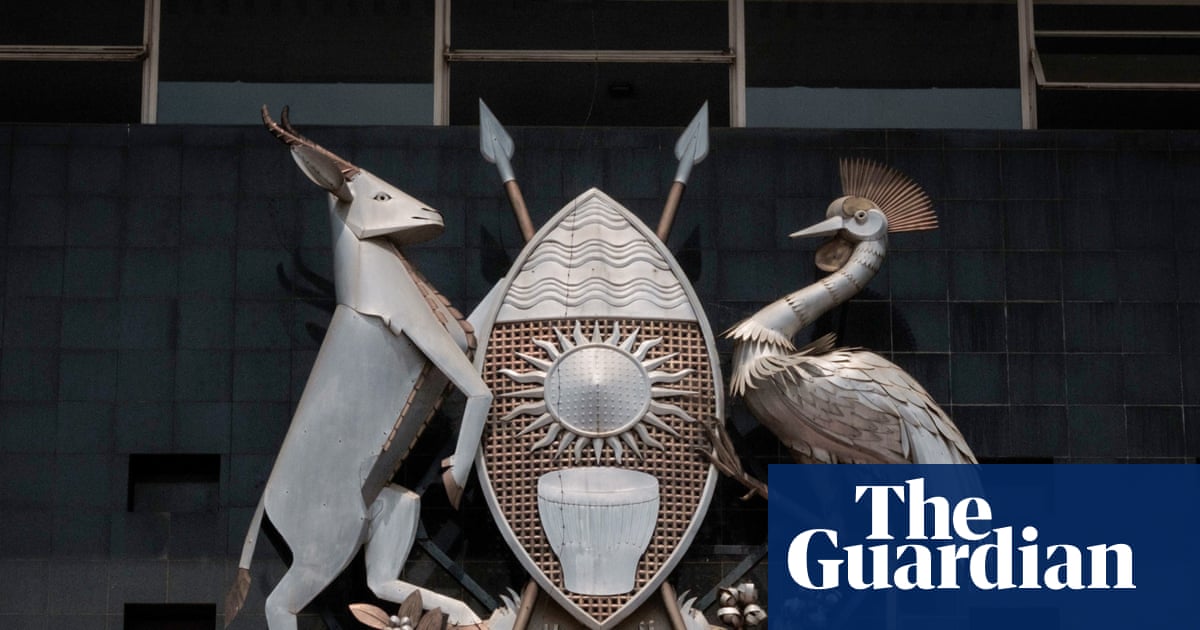
A firestorm of controversy engulfs Uganda as a sweeping new legislative proposal, dubbed the Uganda Sovereignty Bill 2026, races through parliament. This contentious draft law seeks to impose draconian penalties, including up to two decades in prison, for anyone deemed to be promoting “foreign interests.” It further tightens the noose on individuals and organizations collaborating with or receiving funds from international partners, drawing sharp condemnation from a diverse coalition of opposition figures, human rights organizations, and legal experts.
The bill, fast-tracked with debate expected to conclude before the presidential swearing-in on May 12, has ignited widespread alarm. Internal Affairs State Minister Gen David Muhoozi, addressing a parliamentary committee on April 23, asserted that the legislation would fortify national safeguards against external influence, thereby preserving security, economic stability, and social cohesion. However, detractors vehemently argue that this move mirrors restrictive “foreign agent” laws enacted by authoritarian regimes in nations like Russia and China, designed not to protect sovereignty but to systematically dismantle civil society, independent media, and legitimate dissent by severing vital funding lifelines.
Joel Ssenyonyi, Uganda’s leader of the opposition, minced no words: “This law is a copy and paste of Russian and Chinese laws adopted to liquidate opposition and civil society organisations.” He warned of dire consequences, predicting the bill’s passage would “kill multiparty funding, plunge thousands more Ugandans into absolute poverty, chase away foreign investment, and turn our country into an international pariah.” The intent, he clarified, is unmistakably to “stifle dissent.”
The Vague Language of the Uganda Sovereignty Bill
The very definitions and language within the proposed Uganda Sovereignty Bill are alarmingly vague, casting a wide net that risks criminalizing a vast spectrum of activities, individuals, and organizations. This includes those engaged in advocacy, journalism, public discourse, and even private corporations. While an earlier, widely condemned draft that categorized Ugandan citizens residing abroad as “foreigners” has since been removed following amendments tabled by Attorney General Kiryowa Kiwanuka on April 30, critics remain deeply uneasy about the bill’s fundamental thrust.
This legislative push unfolds against a backdrop of escalating political tension in Uganda. Opposition figures have faced charges linked to alleged foreign support, and numerous human rights, media, and election observation organizations were suspended ahead of the January general election. President Yoweri Museveni has consistently decried what he labels “foreign interference” in Uganda’s domestic affairs, attributing political unrest and attempts to shape the nation’s trajectory to external actors. “Uganda is not a neo-colony where foreign entities can dictate its path,” Museveni declared after the 2024 youth protests, underscoring his administration’s unwavering stance.
Asuman Kiyingi, a former government minister and prominent advocate, lamented that the bill would further curtail legitimate protest and crush any vestige of dissent. “This is not regulation; it is encirclement,” Kiyingi asserted. “Having long utilised the Public Order Management Act to throttle physical assembly, the state now seeks to seize the financial and intellectual lifeblood of civic engagement. The objective is clear: to ensure no independent centre of mobilisation can attain the capacity to challenge the status quo.” Indeed, global rights advocates have condemned the bill, calling for its outright rejection by parliament.
Key provisions within the bill are profoundly restrictive. These include a stringent cap on financial assistance exceeding 400 million Ugandan shillings (approximately £79,000) within any 12-month period. Furthermore, it authorizes extensive inspections of premises and grants broad access to documents, raising serious privacy and operational concerns for myriad organizations.
The World Bank, in a letter to parliament dated April 23, issued a stern warning that several provisions could inadvertently criminalize a broad array of its “routine development activities.” By classifying international organizations as “foreigners” without clear qualification, the bill subjects them to all its substantive restrictions and associated criminal penalties.
Uganda relies heavily on hundreds of millions of dollars in external financing annually, crucial for supporting its health, education, and civil society sectors. This foreign funding forms a fundamental pillar of the country’s development model. Julius Mukunda of the Civil Society Budget Advocacy Group cautioned that such wide-ranging restrictions could significantly diminish these critical inflows, triggering detrimental ripple effects across the entire economy. “Restrictions of this magnitude risk weakening the shilling and slowing economic activity,” Mukunda explained, “particularly where foreign capital fills critical domestic gaps through loans, private sector investment, and infrastructure financing.”
In the face of fierce public backlash, President Museveni took to X on April 30, dismissing concerns about remittances and foreign investment as “a lot of noise” while stoutly defending the bill’s core mission. “Independence means the right to make our own decisions if necessary and learn from them. Sovereignty means please leave us alone. Do not fund groups to influence our decisions as a country.” Attorney General Kiwanuka subsequently tabled amendments, offering exemptions for financial institutions regulated by the Central Bank, medical and education facilities, and faith-based organizations. Nevertheless, education and health entities had already voiced worries that the legislation could jeopardize partnerships vital for research and services combating HIV, tuberculosis, malaria, and maternal health – many of which depend on overseas donor funding. Moreover, NGOs and other international partners could still face scrutiny if perceived to be advancing “the interests of a foreigner against Uganda’s national interest.”
Critics remain unconvinced by the government’s reassurances, labelling the proposed legal shift a “constitutional coup.” Anthony Asiimwe, Vice-President of the Uganda Law Society, articulated this alarmingly: “The bill replaces ‘power belongs to the people’ with ‘power belongs to government’. It does not adapt to a changing world; it adapts the constitution to the fears of those in power. That is not legislation for sovereignty – it is legislation against the sovereign people of Uganda. The very definition of a coup d’état.”