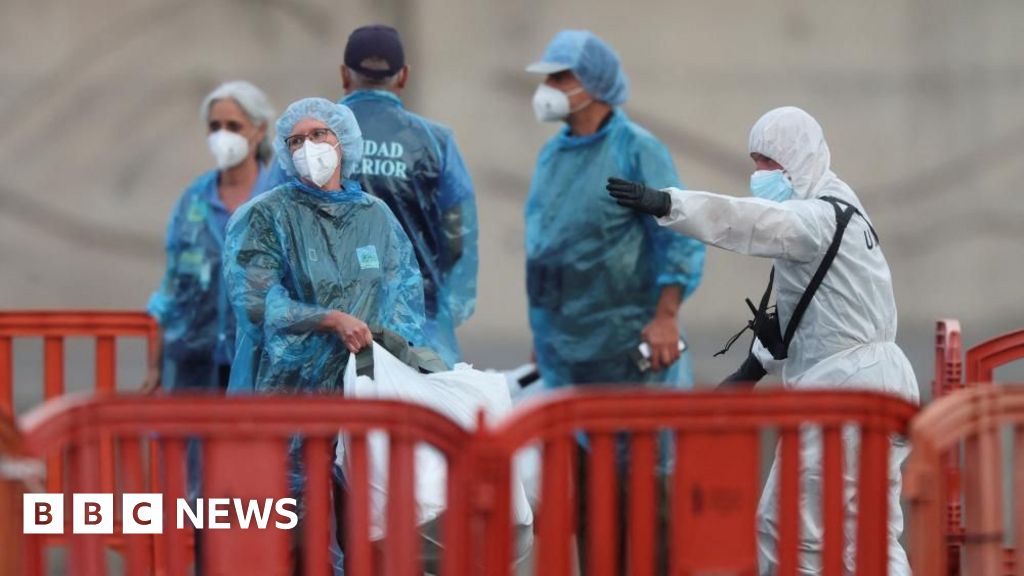
An unsettling hantavirus outbreak linked to the MV Hondius cruise ship has seen American and French nationals test positive after returning home. Authorities confirmed seven cases, with two others suspected, marking a grim escalation in the ongoing health crisis.
The World Health Organization (WHO) confirmed these figures Monday, detailing how a second American passenger displayed mild symptoms while repatriated in a “biocontainment unit” out of an abundance of caution. Across the Atlantic, French Health Minister Stéphanie Rist revealed a woman is isolating in Paris; her condition is reportedly deteriorating, and 22 contacts have been swiftly traced.
Tragically, three individuals who traveled on the MV Hondius have died; two of those deaths are now confirmed to have been due to hantavirus. The first suspected case, an elderly Dutch man, succumbed before testing could be completed, according to the WHO. Meanwhile, two other British nationals with confirmed cases are currently receiving treatment in the Netherlands and South Africa.
Global Response to the Hantavirus Outbreak
Hantaviruses, typically carried by rodents, rarely transmit human-to-human. However, the Andes strain, believed to be involved here and likely contracted by some passengers in South America, is a notable exception. Symptoms are wide-ranging: fever, extreme fatigue, muscle aches, stomach pain, vomiting, diarrhea, and shortness of breath. Despite these concerning developments, officials maintain that the risk of a widespread hantavirus outbreak is low.
For those seeking a deeper understanding of the disease, the WHO provides comprehensive information. Repatriation efforts are in full swing for the more than 90 passengers from the MV Hondius, now docked in Spain’s Canary Islands. Spanish officials confirmed 54 passengers and crew remained on board Monday, including a handful of Australians, a Briton, and a New Zealander. Flights are steadily moving individuals to their home countries, though some logistical hurdles have emerged.
The US Department of Health and Human Services stated that all 17 American citizens from a Sunday flight would undergo “clinical assessment” at a medical facility in Nebraska, alongside a British national living in the US. Seven other American passengers had already returned home and are being monitored in their respective states. This approach contrasts with WHO guidelines recommending 42 days of isolation for those leaving the MV Hondius, a point of concern raised by WHO head Tedros Adhanom Ghebreyesus. However, Dr. Jay Bhattacharya, acting head of the US Centers for Disease Control (CDC), has cautioned against public panic, emphasizing the rarity of human-to-human transmission and asserting that this situation should not be equated with the COVID-19 pandemic.
The unfolding hantavirus outbreak on the MV Hondius has indeed prompted an extraordinary international response, highlighting both the complexities of global health crises and the dedication of medical and governmental authorities worldwide.
About the Author