
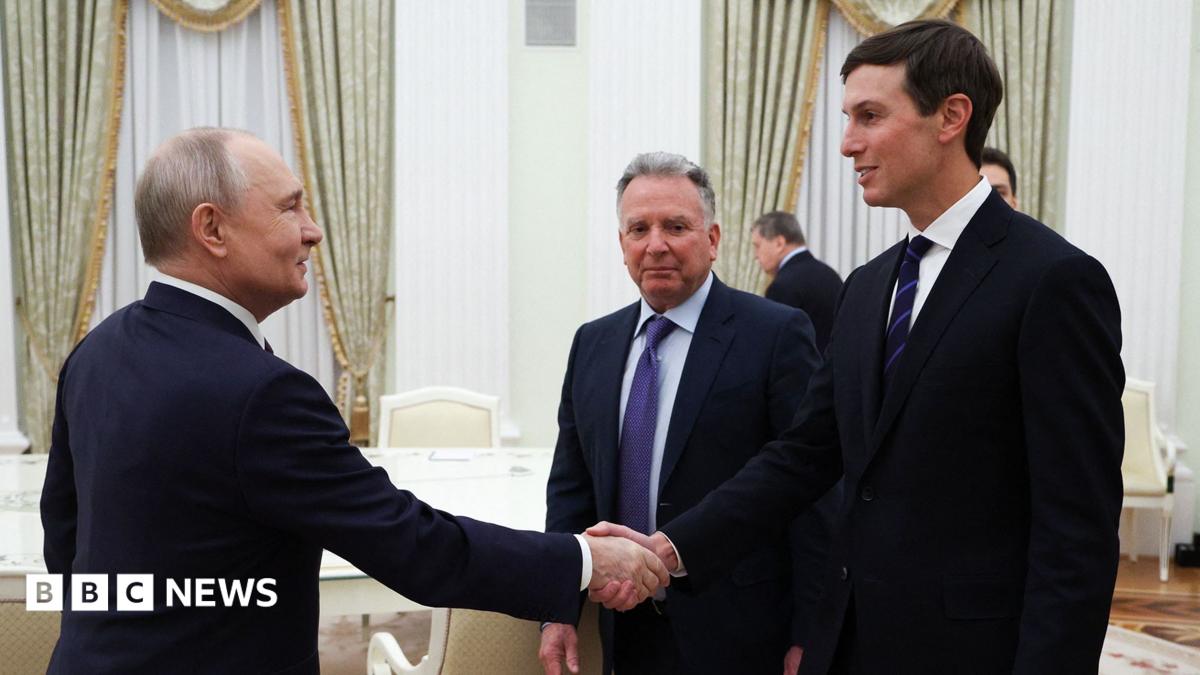
US envoys head to meet Zelensky after talks with Putin in Moscow
Introduction & Key Takeaways
The landscape of the ongoing conflict in Eastern Europe is shifting with unprecedented speed. US envoys Jared Kushner and Steve Witkoff have conducted high-level discussions with Russian President Vladimir Putin in Moscow. This follow-up to trilateral negotiations held in Abu Dhabi marks a pivotal moment in the US Ukraine Peace Talks. As these diplomatic channels open, the situation on the ground remains volatile, particularly concerning the reliability of essential satellite communications used by Kyiv.
- Diplomatic envoys are actively seeking a new framework for European security.
- Reports indicate persistent, systematic disruptions to Starlink connectivity in conflict zones.
- The Kremlin continues to prioritize territorial demands, complicating the prospect of a lasting ceasefire.
- European nations are struggling to find a unified voice to protect their strategic interests during these negotiations.
Background & Context (What Just Happened?)
The recent Moscow meetings represent the latest chapter in a series of diplomatic shuttle missions orchestrated by American representatives. These efforts were designed to pivot from immediate frontline combat concerns to long-term post-war security architecture. While the world watches, the reality for citizens remains dire. As noted in recent reports on energy instability, the physical survival of the Ukrainian population is currently tied to fragile infrastructure, which is now being subjected to additional cyber and electronic interference.
Root Cause & Deep Dive Analysis (Why Did This Happen?)
The US Ukraine Peace Talks are underpinned by an fundamental disagreement regarding the definition of sovereignty. Russia continues to push for a re-evaluation of European security protocols that would essentially reduce the influence of Western institutions in the region. Analysts suggest that the Kremlin aims to secure a permanent veto right over the security decisions of sovereign nations, a demand that violates established international norms as documented by global legal standards. Furthermore, the intermittent degradation of military-grade satellite services suggests that technical warfare is now a primary feature of these negotiations, potentially being used as a lever to force concessions on the battlefield.
Strategic Implications & Future Impact (What Does This Mean Globally?)
The global community is witnessing a delicate balancing act. By attempting to facilitate a new European security framework through direct US-Russia dialogue, Washington risks alienating its traditional allies. If the current trend of excluding key European players from the decision-making process continues, it could lead to long-term fragmentation within the trans-Atlantic alliance. The persistent US Ukraine Peace Talks are not just about the conflict in the Donbas region, they are effectively debating the future of global power structures, territorial integrity, and the validity of state borders in the twenty-first century.
Conclusion & What to Watch Next
As the envoys move to Dublin to engage with President Zelensky, the focus will undoubtedly shift toward whether Ukraine can accept a peace that remains largely dictated by the security terms of their aggressor. The coming weeks will reveal if Europe can organize a unified diplomatic front or if they will remain a peripheral actor in their own continent’s security future. Observers must watch for updates on the trilateral format and whether satellite connectivity is restored permanently, which would signal a de-escalation of electronic hostilities.