
US signs landmark nuclear deal with Saudi Arabia
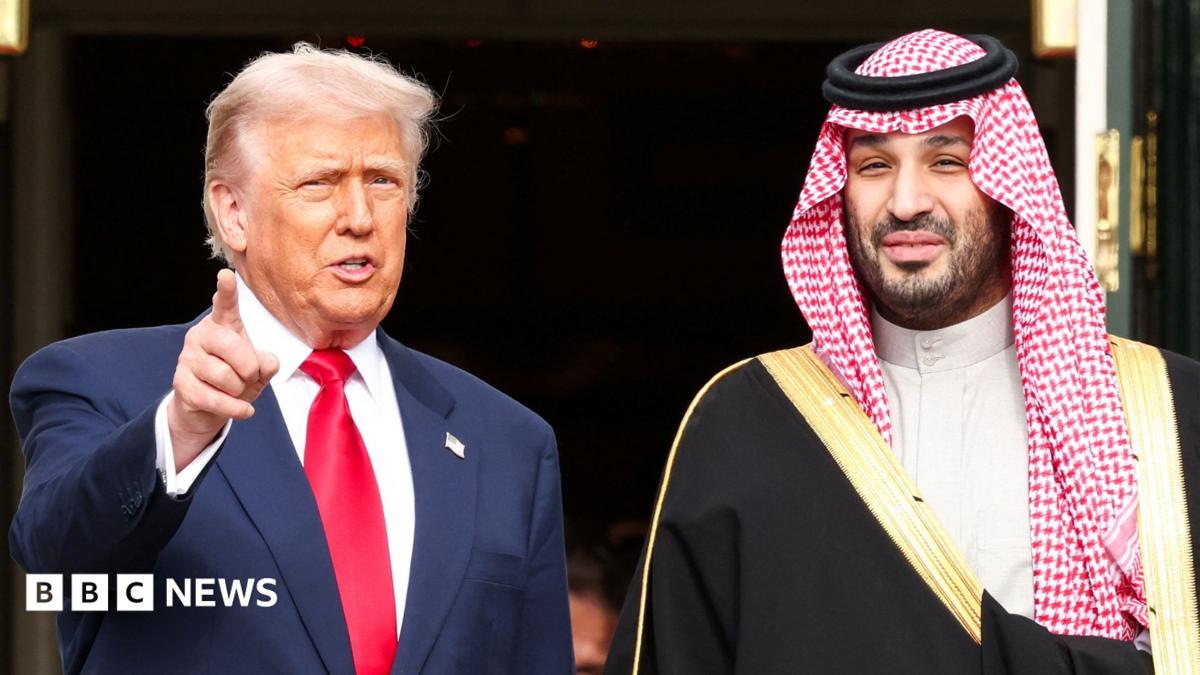
The United States and Saudi Arabia have officially inked a groundbreaking US Saudi Nuclear Deal, ushering in an era where the Gulf kingdom will develop a civilian nuclear program. This momentous agreement, described by the US energy department as a “peaceful nuclear co-operation agreement,” promises American companies significant access to Saudi Arabia’s burgeoning nuclear energy sector.
The Complexities of the US Saudi Nuclear Deal
Details of the deal remain largely under wraps, yet whispers from US media outlets suggest a truly unprecedented provision: the potential for Saudi Arabia to enrich uranium on its own soil. This capability, while crucial for powering energy plants, tragically also forms the backbone of nuclear weaponry. Experts universally agree this would be a monumental first for the US, potentially igniting the flames of nuclear proliferation within an already dangerously unstable region.
The US Department of Energy confirmed the signing of a “bilateral safeguards agreement” alongside the broader co-operation deal. “Together, these two agreements establish the legal framework for a multi-billion-dollar, decades-long partnership designed to advance critical economic and strategic objectives, including nuclear nonproliferation,” a statement declared. Saudi Arabia echoed this sentiment, framing the accord as an “extension of existing co-operation,” following a high-profile visit by its leader to Washington last November.
The specter of nuclear development in the Middle East is perpetually shadowed by regional tensions. The long-standing US-Israeli conflict with Iran, for instance, has often cited Tehran’s alleged nuclear ambitions as a flashpoint. Crown Prince Mohammed bin Salman, Saudi Arabia’s de facto ruler, famously stated in 2018 that while his nation had no immediate plans for nuclear weapons, it would “without a doubt if Iran developed a nuclear bomb, we will follow suit as soon as possible.” This latest announcement arrives amidst escalating clashes between the US and Iran, with US bases in ally Saudi Arabia frequently targeted. Just days prior, Iran-backed Houthi forces in Yemen declared a “maritime blockade” against the kingdom.
While specific provisions remain confidential, earlier media reports indicated that a joint study with the US might pave the way for Saudi Arabia to domestically enrich uranium, bypassing reliance on imported fuel. Such a venture could translate into billions for US companies involved in constructing these sophisticated enrichment facilities. US Secretary of Energy Chris Wright confidently asserted, “Rest assured, these agreements uphold the highest standards of nuclear safety and nonproliferation, while relying on the world’s best nuclear technology and scientists, designed right here in the United States.” The energy department further hailed the US Saudi Nuclear Deal for bolstering “US and regional security” and reinforcing America’s “competitive edge in civil nuclear technology.”
Unsurprisingly, the potential for indigenous uranium enrichment has triggered alarm bells among nuclear experts and former Israeli officials, despite assurances from some that the path to weaponization would be arduous and decades-long, likely provoking international backlash. Rosemary Kelanic, director of the Middle East program at Defense Priorities, found the prospect of the US facilitating Saudi enrichment “quite shocking.” “The US has never done that before. We have never helped another country enrich on their own soil,” she elaborated, emphasizing the heightened proliferation risk inherent in self-sufficient nuclear fuel production.
The agreement now faces review by the US Congress, where bipartisan opposition is anticipated. However, with President Trump’s Republican Party controlling both legislative chambers, the likelihood of opponents garnering enough votes to derail the deal appears slim. Secretary of State Marco Rubio, dismissing proliferation concerns, affirmed, “The US is not going to reach any agreement with any country in the world that leads to the risk of proliferation.” Yet, a stark hypocrisy emerged as Democrats pointed out Rubio’s past endorsement of the “No Nuclear Weapons for Saudi Arabia Act,” which mandated Congressional approval for any such deal. Senator Edward Markey of Massachusetts lambasted the administration, accusing them of “allowing Saudi Arabia, a belligerent and authoritarian nation, to develop nuclear weapons technologies while starting a war with Iran under the guise of preventing an Iranian nuclear bomb.”
Crucially, if the enrichment clause stands, this US Saudi Nuclear Deal will markedly differ from the 2009 agreement with the UAE, which explicitly prohibits the Emirates from producing their own fuel and imposes stringent restrictions. Non-proliferation advocates are expected to voice strong objections, their ultimate objective being the global reduction of nuclear arms. Conversely, Bob McNally, a former member of President George W. Bush’s National Security Council, played down significant security risks, stating, “I think we have a good record of working with countries to responsibly develop their nuclear sectors.”
For years, Saudi Arabia has actively lobbied for such a deal. Previously, Washington had conditioned the agreement on Riyadh’s diplomatic recognition of Israel. That demand, according to recent US media reports, appears to have been abandoned. President Trump has diligently fostered closer ties with Saudi Arabia during his tenure. Beyond the evident strategic and commercial advantages this pact offers, another compelling factor driving its timing might be reports of similar discussions between Russia, China, and Saudi Arabia, suggesting a race by the US to secure its influence. This deal represents a significant triumph for Saudi Arabia, poised to subtly yet profoundly reconfigure the intricate power dynamics of the Middle East in the years to come.