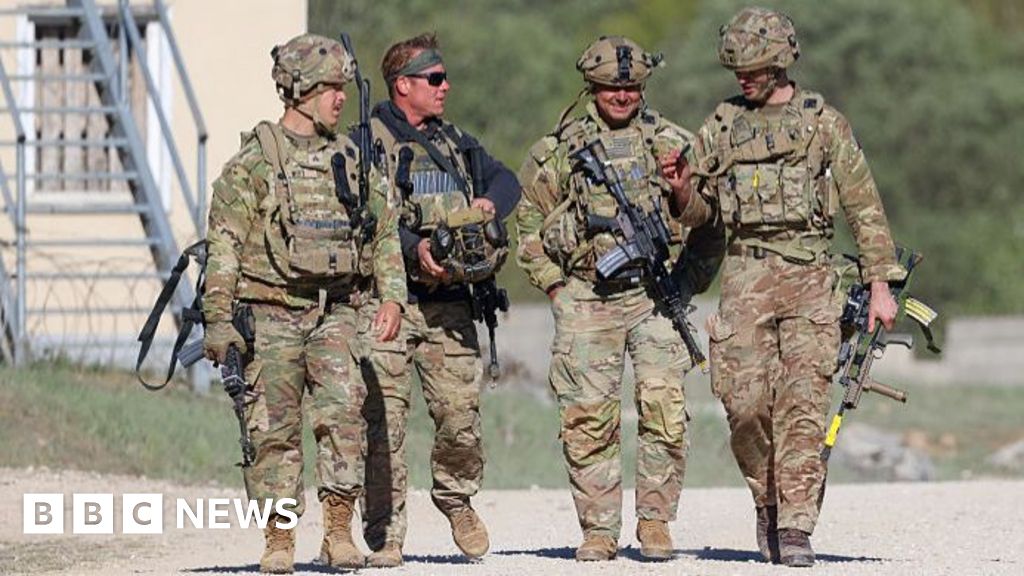
A seismic shift in transatlantic defense relations looms as the Pentagon officially announced plans for a significant US troop withdrawal from Germany. Approximately 5,000 American military personnel are slated to depart, a decision unfolding against the backdrop of an increasingly bitter feud between President Donald Trump and German Chancellor Friedrich Merz over the ongoing conflict with Iran.
The stunning directive, confirmed by Defense Secretary Pete Hegseth and communicated via Pentagon spokesman Sean Parnell, dictates a six-to-twelve-month timeline for the reduction. This strategic adjustment, according to Parnell, stems from “a thorough review of the Department’s force posture in Europe,” aligning with evolving “theatre requirements and conditions on the ground.” Germany currently hosts the largest contingent of American forces in Europe, numbering over 36,000 active-duty troops as of last December, making this planned reduction undeniably impactful.
Escalating Tensions Over US Troop Withdrawal
The timing of this announcement is hardly coincidental. It arrived mere hours after President Trump publicly excoriated Chancellor Merz. The German leader had provocatively suggested Washington suffered “humiliation” at the hands of Iranian negotiators, implying a distinct lack of strategic foresight from the American side. Merz, speaking to university students, articulated a frustration with what he perceived as the US having “no strategy” and an inability to identify a viable “strategic exit” from the Iranian entanglement. He criticized Iranian negotiators for skillfully avoiding substantive talks, leaving American envoys repeatedly empty-handed.
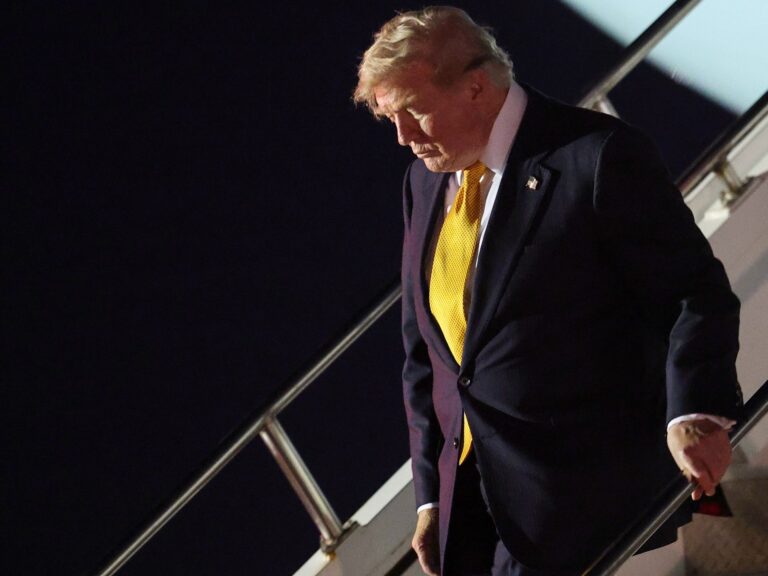
Trump’s response was swift and vitriolic. Taking to his platform Truth Social, he lambasted Merz, claiming the Chancellor was “doing a terrible job” and grappling with “problems of all kinds,” including immigration and energy policy. Furthermore, Trump accused Merz of deeming it “OK for Iran to have a Nuclear Weapon” and dismissed his opinions as ill-informed. “No wonder Germany is doing so poorly, both Economically, and otherwise!” the former President declared, amplifying the diplomatic chasm.
While the German Defence Minister, Boris Pistorius, acknowledged the impending US troop withdrawal as “foreseeable” and framed the American presence in Europe as mutually beneficial, the underlying friction is palpable. This recent development echoes previous threats from the Trump administration to pull forces, notably a 2020 proposal for a 12,000-troop reduction that was ultimately blocked by Congress and later reversed by President Joe Biden.
The broader implications of this US troop withdrawal are far-reaching. Trump, a consistent critic of the NATO alliance, has frequently chided member nations for insufficient defense spending. Historically, Germany fell short of NATO’s 2% GDP target for military expenditure. However, under the Merz government, this dynamic has shifted dramatically. Germany is now projected to allocate €105.8 billion (approximately £91 billion) to defense by 2027, with spending next year expected to exceed 3.1% of its GDP. This considerable increase underscores Germany’s commitment to its own defense capabilities, even as the prospect of American forces departing looms.
Beyond Germany, Trump has hinted at similar reductions in other European nations, specifically mentioning Italy and Spain. He lambasted both countries for what he deemed a lack of assistance in the Iranian conflict, stating, “Italy has not been of any help to us and Spain has been horrible.” Such declarations raise serious questions about the future of the transatlantic alliance and America’s global military footprint.
This latest directive concerning the US troop withdrawal revives past controversies, including a similar move in Romania last year. That decision, also part of a broader Trump-era strategy to redirect military focus from Europe towards the Indo-Pacific, was met with concern from Eastern European allies wary of Russian expansionism and disapproval from some US Republicans. The reverberations of such significant shifts in force posture are undoubtedly set to be felt across the international stage.
About the Author