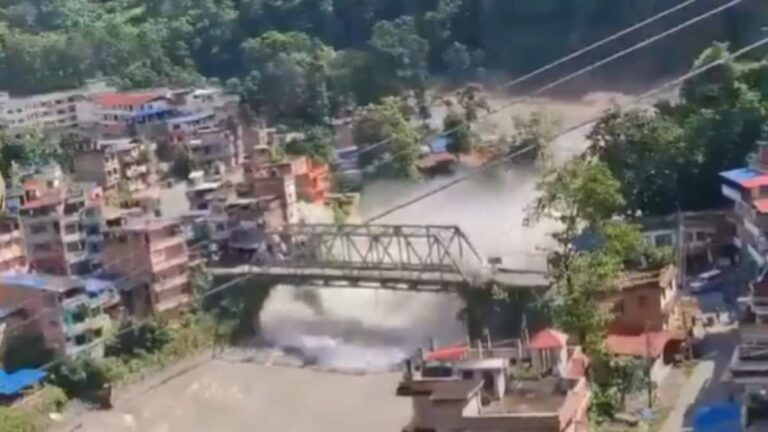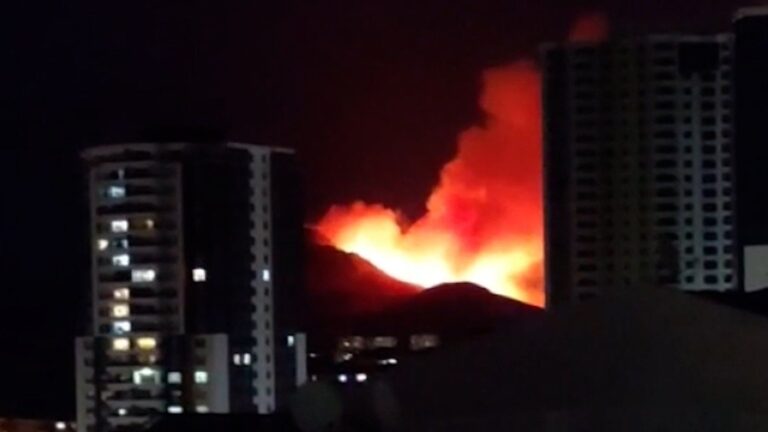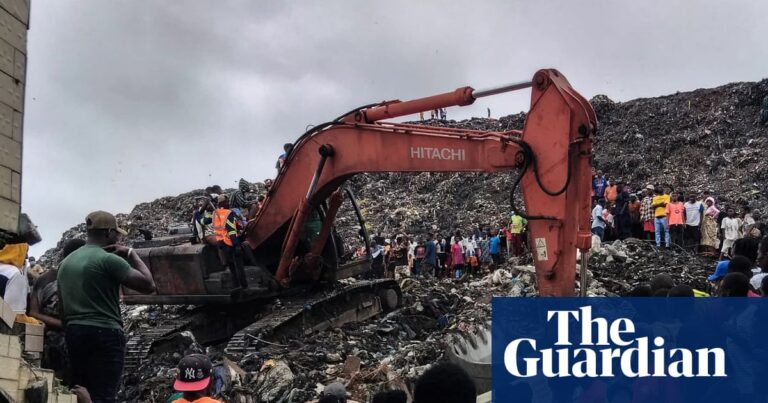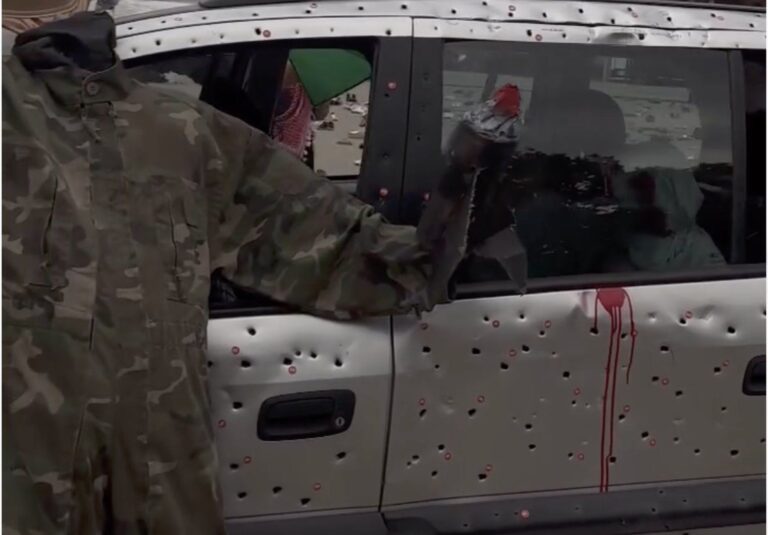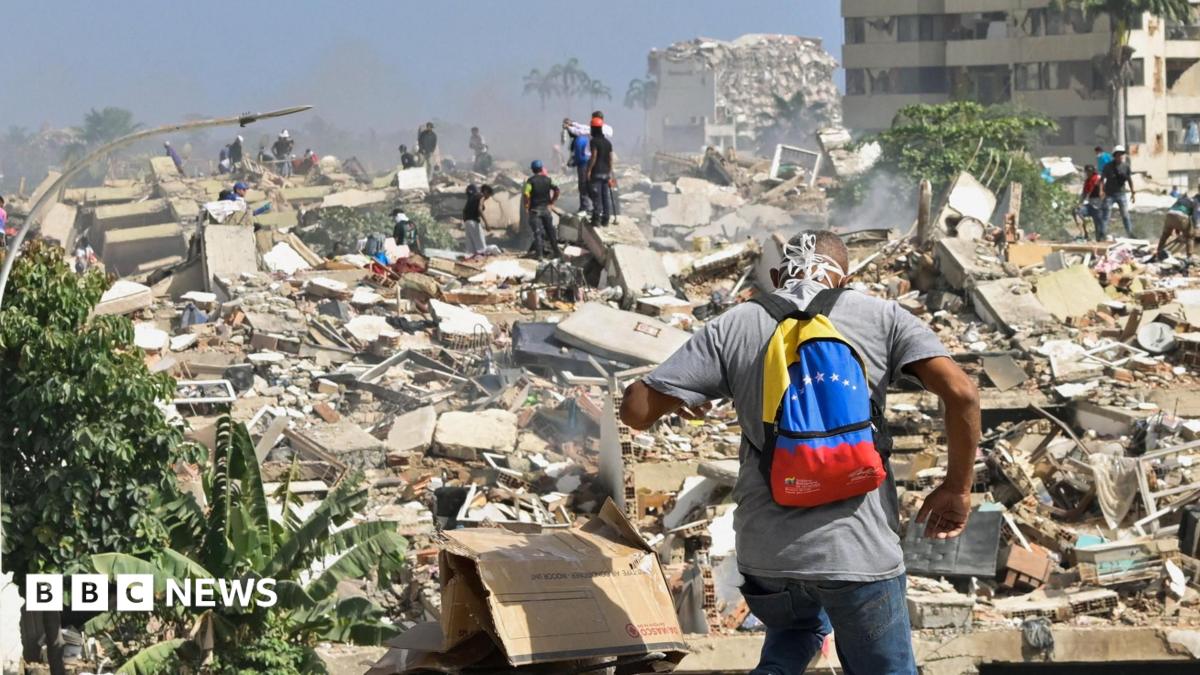
The twin seismic jolts that ripped through Venezuela have claimed at least 920 lives, leaving 3,360 injured and plunging the nation into profound grief and chaos. International rescue teams have poured into the country, joining local efforts in a desperate search for survivors amidst the ruins. These Venezuela earthquakes, the second registering a staggering 7.5 magnitude—one of the strongest in a century—have obliterated entire sections of the northern coast, including parts of the capital, Caracas.
The devastation is stark. Makeshift medical facilities strain under the sheer volume of casualties, grappling with a dire lack of supplies. Dozens of buildings, from bustling shopping centres to vital infrastructure, now lie in fractured heaps of concrete and twisted metal. UN humanitarian chief Tom Fletcher confirmed nearly 2,000 international specialists are now on the ground, a testament to the global concern.
Venezuela Earthquakes: A Race Against Time
In La Guaira, the hardest-hit region, families endure an unbearable vigil. Natacha Diaz, her voice a raw plea, told reporters of her two daughters, aged 22 and 23, trapped beneath the rubble of a collapsed shopping mall where they worked as manicurists. “They are all I have,” she whispered, a universal cry of anguish echoing across the disaster zone. The official death toll, announced by National Assembly head Jorge Rodriguez, currently stands at 920, with at least 172 individuals still unaccounted for, likely entombed below.
The urgency of the situation cannot be overstated. With 214 aftershocks rattling the already fractured landscape, every passing minute diminishes hope. Rescuers, working tirelessly with bare hands where heavy machinery cannot yet reach, describe a grim, harrowing scene. “We cannot pause for a second while we hear them,” remarked UN chief Tom Fletcher, highlighting the desperate race against silence. Specialized teams, equipped with “cockroach drones” and a contingent of 111 search dogs, are meticulously sifting through debris, driven by the faintest sound of life.
Countries worldwide have mobilized. A British military flight, laden with specialists from 14 UK fire services, dogs, and drones, departed for Venezuela. The United States has pledged $150 million in aid and deployed warships and transport planes, alongside teams from the Netherlands, Mexico, and Switzerland. Yet, the challenge is immense. Venezuela’s already crumbling infrastructure, a casualty of decades of underinvestment and economic crisis, has made this natural disaster particularly catastrophic. Medical facilities, even before Wednesday’s twin Venezuela earthquakes, struggled to provide basic care. Now, they are overwhelmed, facing an emergency far beyond their capacity.
Amidst the despair, glimmers of resilience emerge. In La Guaira, the rescue of three young siblings from a concrete tomb, covered in dust but alive, sparked a nationwide wave of hope. Their emergence, one after another, was a powerful reminder of the precious lives still being fought for. Tributes, too, are being paid to the fallen; Venezuelan footballer Héctor Bello shared a heartbreaking Instagram post, revealing his wife, Andrea, lost her life saving their toddler daughter during the quakes. Their heroic story serves as a somber echo of the countless acts of bravery and sacrifice.
This unprecedented calamity strikes Venezuela at a moment of profound political flux. Less than six months ago, former leader Nicolás Maduro was arrested, leaving the country under the interim presidency of his ally, Delcy Rodríguez. Opposition leaders lament the state’s perceived inability to mount a timely response, yet praise the “tremendous support” offered by Venezuelan civil society. As the world watches, the full scale of the tragedy and the arduous path to recovery for the victims of these devastating Venezuela earthquakes are only beginning to unfold.
About the Author