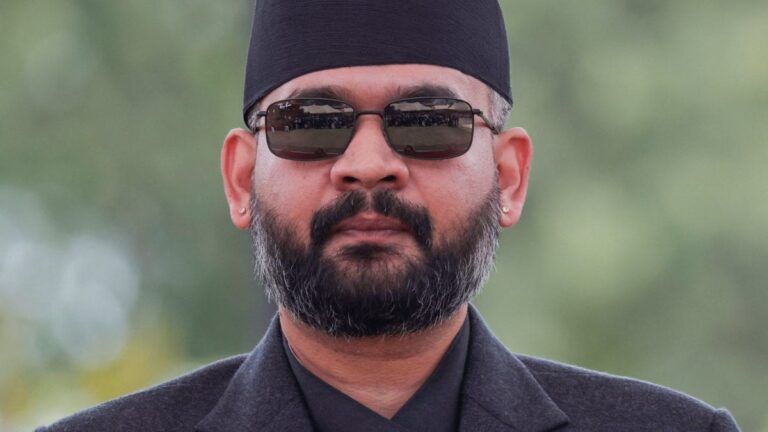
The tale of Pheap Rom is not just a personal tragedy; it’s a stark revelation of the perplexing complexities embedded within recent US deportations policies. Rom, a Cambodian man who arrived in the US as a three-year-old refugee in 1985, found himself in a bewildering ordeal, summarily removed from the country he knew as home, only to be shunted into an unknown African kingdom, Eswatini, despite having served his full sentence.
Convicted of attempted murder, Rom had accepted his eventual deportation to Cambodia, the land of his birth he had never seen. “I’m not disputing the fact that I got a final order and I’m to be removed,” he stated with a poignant clarity. Yet, the reality that unfolded was far more sinister than any legal proceeding might suggest. Instead of returning to his ancestral land, he was, shockingly, among 15 individuals — including men from Cuba, Jamaica, Vietnam, and Yemen — who were dispatched to a maximum-security prison in Eswatini in two separate groups in 2025.
The Shocking Reality of US Deportations to Third Countries
Rom’s journey, a harrowing 21-hour flight in shackles alongside nine other men, culminated not in freedom, as vaguely suggested by some flight staff, but in the grim embrace of the Matsapha correctional complex. Armed military personnel awaited their arrival, instantly whisking them away to incarceration in a nation they had no connection to, a practice that raises grave concerns about international human rights standards. These controversial US deportations to third countries, a policy often associated with the Trump administration, have seen dozens of individuals sent to nations like Ghana, Rwanda, and Uganda, effectively outsourcing America’s immigration challenges.
Life inside the Eswatini prison was brutal. Initial conditions were appalling: just a roll of toilet paper and a bar of soap weekly, shared clothing, and only 15 minutes of outdoor access daily. Legal counsel was routinely denied access. The psychological toll on these men, already grappling with profound uncertainty and fear, spiraled dramatically. One individual resorted to a 30-day hunger strike, a desperate cry in a desolate situation. Rom, now back in Cambodia after his eventual release from Eswatini in March, still carries the weight of those left behind. “I might be free, but I want people to know that there’s still people that are still in prison in a third country,” he insisted.
The US Department of Homeland Security, in past statements regarding these expulsions, has maintained that those deported were “criminal illegal aliens” who had received due process and final deportation orders. However, the vivid accounts of Pheap Rom and others paint a different, far more concerning picture of rights overlooked and human dignity undermined. The Cambodian and Jamaican governments explicitly stated they would have accepted their citizens directly from the US, adding another layer of confusion to these opaque third-country transfers. For deeper insights into global migrant rights advocacy, consider exploring organizations dedicated to upholding international protocols.
Eswatini, a tiny kingdom that reportedly received $5.1 million from the US to accommodate up to 160 deportees, maintains it has made “every reasonable effort” to ensure humane conditions. Yet, the testimony from Rom and fellow detainees starkly contradicts this official narrative, highlighting a profound disconnect between administrative assurances and lived experiences. The ongoing saga of these US deportations demands closer scrutiny and a renewed commitment to upholding fundamental human rights, regardless of an individual’s past transgressions or immigration status.
About the Author