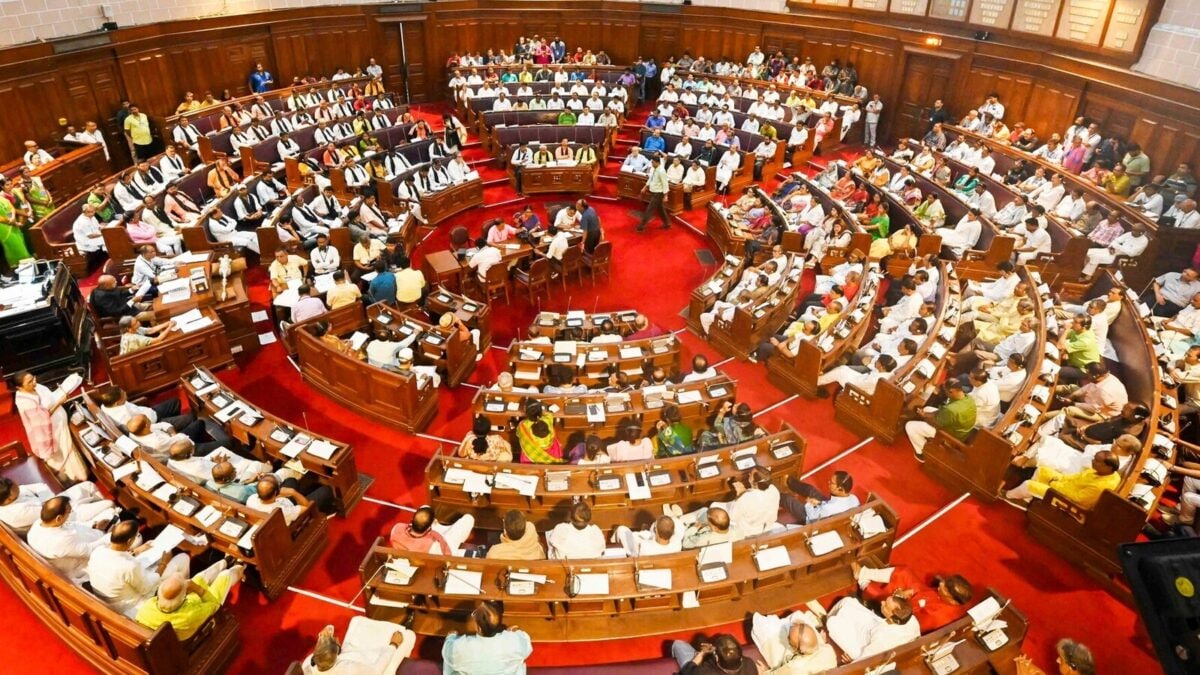
Kolkata witnessed a pivotal legislative moment this Monday as the West Bengal Assembly successfully passed a crucial amendment bill. This groundbreaking move dramatically broadens the scope of OBC reservation benefits, now extending these vital provisions to an additional 66 classes across the state. The legislation, which promises to reshape the landscape of affirmative action in West Bengal, garnered overwhelming support, signalling a new era for numerous communities.
The passage wasn’t without its dramatic turns. The Assembly recorded a significant majority of 186 votes in favour against a mere 17 opposing voices, a division explicitly requested by Indian Secular Front (ISF) MLA Nawsad Siddiqui. Despite palpable internal friction within the ruling Trinamool Congress (TMC), the party successfully navigated the bill to a resounding victory.
The Expanded Scope of OBC Reservation
Intriguingly, the voting process laid bare existing divisions within the TMC itself. Prior to the final count, several legislators, reportedly allied with the Ritabrata Banerjee-led faction, staged a walkout from the legislative chamber. However, those loyal to Chief Minister Mamata Banerjee resolutely remained, their steadfast presence ultimately ensuring the amendment’s smooth passage. This expanded OBC reservation applies specifically to government services and posts, designed to offer a more equitable playing field.
This transformative amendment is not an isolated event. It forms a critical part of a much broader, meticulous state-level initiative aimed at thoroughly identifying and officially recognizing various Other Backward Classes. Previous legal frameworks concerning OBC reservation have undergone significant administrative scrutiny, necessitating this updated, comprehensive approach to India’s affirmative action policies. The move underscores the state’s commitment to social justice and inclusive development.
About the Author