Trump’s Renewed Threats Stoke Fears Over NATO’s Future
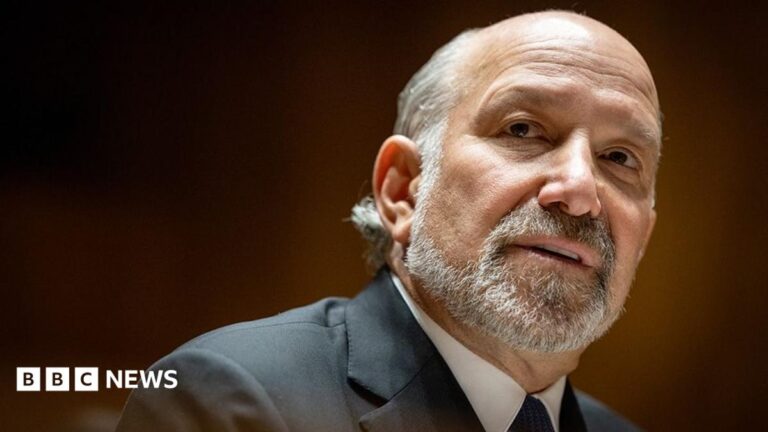
Former U.S. President Donald Trump has once again cast a shadow of doubt over America’s commitment to NATO, suggesting that U.S. membership is “beyond reconsideration.” In recent remarks to Britain’s Telegraph newspaper, Trump expressed renewed frustration that NATO partners were not automatically joining America’s military operations alongside Israel against Iran, a stance he believes “should be automatic.” These comments reignite long-standing concerns about the stability and future of the 32-member transatlantic alliance.
Trump’s invective, however, underscores a fundamental misunderstanding of NATO’s foundational principles. The alliance’s Article 5, which mandates collective defense – an attack against one member is an attack against all – requires a consensus among members to be invoked. Furthermore, the 1949 treaty specifically references crises within Europe and North America, not necessarily global military interventions unrelated to direct member defense. This principle has only been triggered once, in response to the September 11th attacks on the United States in 2001. Allies have consistently held back from operations they weren’t consulted on or whose goals remain unclear, particularly given mixed messages from the Trump administration.
Even before his 2017 presidential inauguration, Trump frequently dismissed NATO as a “paper tiger,” branding it “obsolete” and claiming it was “costing a fortune” for the U.S. His rhetoric extended to the conflict in Ukraine, where he noted, “We’ve been there automatically, including Ukraine,” despite NATO as an alliance providing assistance rather than direct conflict involvement to avoid dangerous escalation with Russia.
The current threats echo a near-withdrawal incident in early 2019 during his first term. Former NATO Secretary General Jens Stoltenberg, in his memoir “On my Watch,” revealed that there were “clear signs that Trump was preparing to act on his threat.” Stoltenberg recounted how his public praise of Trump for pressing allies to increase military spending seemingly averted a U.S. pullout, with Trump acknowledging the praise on social media instead of delivering a prepared withdrawal speech.
At the heart of Trump’s grievances has been the 2014 agreement for member countries to spend 2% of their GDP on defense. While initially a “guideline,” military spending has indeed ramped up significantly across almost all NATO members, partly in response to Trump’s pressure and partly due to Russia’s escalating menace. Yet, the stark reality remains: the immense might of the U.S. military is indispensable. The U.S. military budget comprises approximately 62% of NATO’s total defense spending, possessing unparalleled assets and intelligence capabilities.
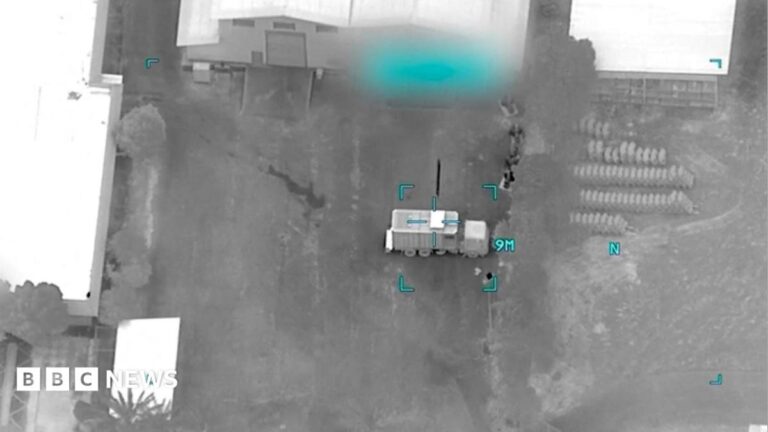
Adding to the current tensions, Secretary of State Marco Rubio, a self-proclaimed former supporter of the alliance, recently told Fox News that the relationship would need to be “re-examine[d]” after the current conflict. He criticized European allies for not allowing their bases to be used for “America’s interests,” labelling NATO a “one-way street.” This sentiment has been amplified by European allies’ recent actions; Britain initially refused access to U.S. warplanes before permitting “defensive operations,” while Italy and Spain have both denied U.S. aircraft permission for combat missions en route to the Middle East against Iran. Trump and his Secretary of Defense, Pete Hegseth, have derided these delays, taunting British Prime Minister Starmer as being “no Churchill.”
While Rubio conceded the decision ultimately rests with the President, it’s not solely his to make. The U.S. Congress, at the end of 2023, passed legislation prohibiting a president from unilaterally withdrawing from NATO without the approval of a two-thirds Senate majority or an act of Congress. Consequently, NATO leaders, led by current Secretary General Mark Rutte, are once again tasked with the delicate diplomacy of convincing Trump that remaining in the alliance serves both his and America’s best interests. Rutte, often dubbed the “Trump whisperer,” has a history of de-escalating the unpredictable former president, including reportedly playing a key role in dissuading him from threats to “take” Greenland earlier this year. However, Rutte has also faced criticism from other NATO states for his staunch support of a war against Iran, which he framed as an effort to “make the whole world safe.”
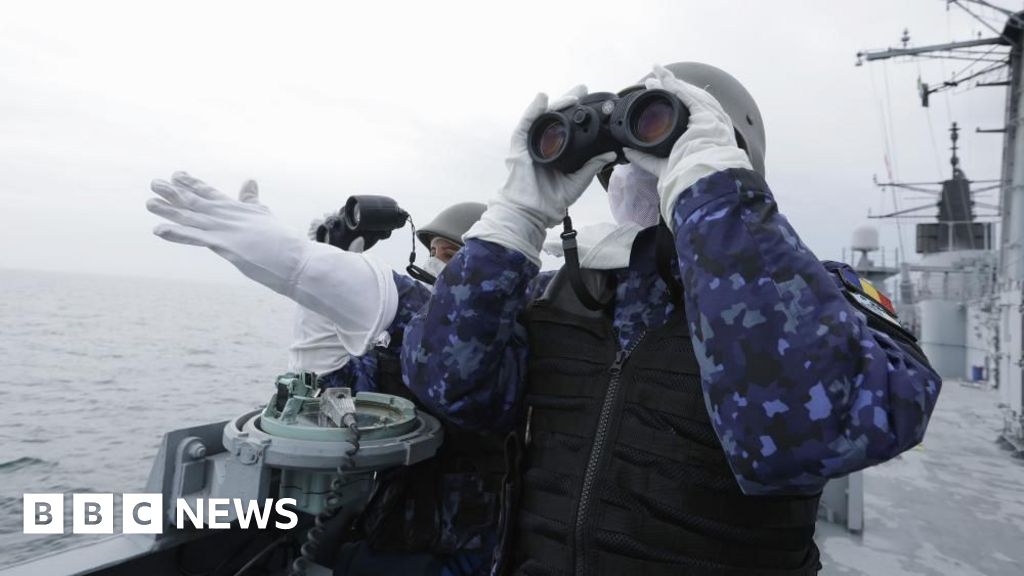
As NATO faces mounting threats from Ukraine and the Middle East, its resilience is now also being tested by renewed uncertainty from within, specifically from the White House. The alliance’s ability to maintain cohesion and deter aggression hinges on navigating these complex geopolitical challenges and the unpredictable political landscape of its most powerful member.
About the Author