
What is India’s Gen Z ‘Cockroach’ movement challenging Modi?
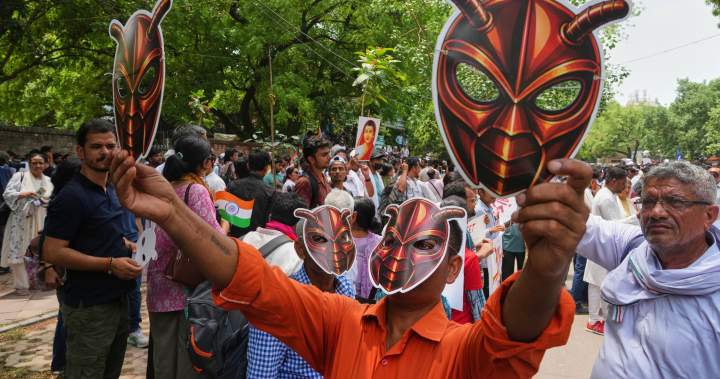
Thousands of young Indians have taken to the streets of New Delhi, creating a powerful wave of India protests against the government of Prime Minister Narendra Modi. These demonstrations, defying stringent new restrictions, represent one of the most significant challenges to his administration in recent memory.
Initially sparked by widespread leaks in competitive entrance exams for coveted medical colleges and government positions, the so-called “Cockroach” movement has rapidly evolved. No longer confined to student grievances, it now draws diverse participants – professionals, families, and concerned citizens – channeling a broader, simmering frustration across the nation.
The vibrant demonstrations at Jantar Mantar, Delhi’s designated protest site, followed intense overnight clashes. Police, utilizing tear gas and batons, dispersed crowds; this marked the second such confrontation within a single week. Undeterred, protesters defiantly regrouped by Thursday morning, overcoming roadblocks as authorities suspended metro services at 16 stations in an attempt to curb access to the heart of the movement.
Escalating India Protests Prompt Modi’s Response
The pervasive issue of exam leaks has become an potent emblem of discontent for millions of India’s youth. Demonstrators demand the resignation of Education Minister Dharmendra Pradhan, comprehensive reforms to the examination system, and compensation for families whose children tragically died by suicide following paper leaks. Under immense pressure, the influential figure finally addressed the situation publicly on Thursday, announcing the establishment of fast-track courts to expedite cases related to exam paper leaks. These specialized courts aim to accelerate legal proceedings within India’s notoriously sluggish judicial system.
Modi’s pronouncements, however, have largely failed to appease the seething public. “Nothing is more important than the welfare and future of our youth!” he declared on X, yet protesters argue his solution falls short of true accountability and meaningful systemic reform. Law student Daksh Bhargava articulated the widespread sentiment: “Rather than providing a solution which is convenient for him, he should work toward a solution which is convenient for the nation and set an example.” The tenacity of the India protests remains undeniable.
The Cockroach Janta Party, progenitors of this burgeoning movement, have vowed to continue their demonstrations until the Education Minister steps down. True to its satirical roots, founder Abhijeet Dipke responded to the government’s efforts with a meme of Pradhan simply captioned, “Hi, my name is Nothing.”
What began as an online satire campaign in May migrated to city streets in June, gathering substantial momentum after acclaimed activist Sonam Wangchuk joined, embarking on a hunger strike that endured over three weeks. Wangchuk was eventually hospitalized by force. These widespread India protests reflect a rising tide of youth anger.
The movement’s astonishing growth beyond traditional student groups underscores a broader frustration among young Indians, echoing similar anti-government movements across South Asia in recent years. This phenomenon has attracted support from all age demographics, united by concerns over governmental accountability, rampant unemployment, and dwindling economic opportunities. Opposition parties have seized the moment, leveraging the issue to challenge the government within Parliament, with solidarity events blossoming in cities nationwide, signifying the widespread reach of this compelling youth-led wave. India, home to one of the world’s youngest populations, faces a critical juncture as millions enter a labor market struggling to generate stable, well-paying jobs. Despite years of robust economic expansion, many young people feel their prospects remain stagnant. This burgeoning youth bloc could well emerge as a decisive political force in upcoming elections.