
WHO declares Ebola outbreak in DR Congo an international emergency
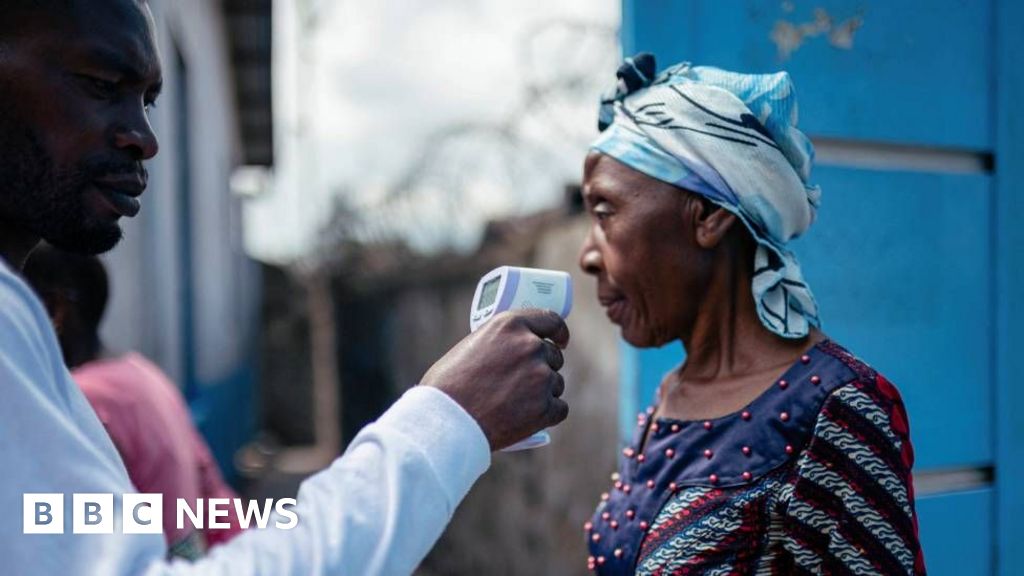
The global health community is on high alert after the World Health Organization (WHO) issued a grave warning, declaring the escalating DR Congo Ebola outbreak a public health emergency of international concern. This stark declaration comes as eastern Ituri province in the Democratic Republic of Congo grapples with a virulent surge, reporting approximately 246 suspected cases and a tragic toll of 80 deaths. While not yet classified as a pandemic, the WHO stresses an alarming potential for a much wider catastrophe than currently understood.
This particular strain of the deadly virus, identified as Bundibugyo, presents a formidable challenge. Disturbingly, there are no approved drugs or vaccines specifically targeting this variant. Early symptoms, deceptively flu-like, include fever, muscle pain, and fatigue. These quickly give way to far more severe manifestations: relentless vomiting, debilitating diarrhoea, skin rashes, and harrowing internal and external bleeding. It’s a brutal progression, leaving medical professionals racing against time.
Understanding the Threat of DR Congo Ebola
The DR Congo Ebola crisis has tragically breached initial containment zones. Beyond the hotspots of Bunia, Mongwalu, and Rwampara in Ituri, a confirmed case has surfaced in the sprawling capital, Kinshasa, linked to a patient returning from the affected province. Further compounding the gravity, the virus has already leapfrogged borders, with two confirmed cases reported in neighboring Uganda, one of whom, a 59-year-old man, succumbed to the illness.
What fuels this perilous expansion? A volatile cocktail of factors. The WHO points to the persistent security crisis and humanitarian emergency plaguing the DR Congo. Add to this the high mobility of its population, the dense urban setting of key outbreak areas, and a proliferation of informal healthcare facilities, and you have a perfect storm for rapid dissemination. Countries sharing a border with DR Congo now find themselves on high alert, navigating the perilous tightrope of trade and travel without exacerbating the crisis.
To combat this escalating threat, the WHO has urged both DR Congo and Uganda to establish robust emergency operation centers. These hubs are critical for meticulous monitoring, precise contact tracing, and the swift implementation of stringent infection-prevention measures. The strategy is clear: immediate isolation and treatment for confirmed cases, followed by two negative Bundibugyo virus-specific tests, administered at least 48 hours apart, before release. For those seeking further information on the general characteristics of this virulent disease, consulting authoritative resources is paramount. Learn more about understanding viral diseases.
However, the WHO cautions against knee-jerk reactions from nations outside the immediate affected zone. Closing borders or imposing travel and trade restrictions, the agency asserts, often stem from fear rather than scientific evidence and are ultimately ineffective. Dr. Tedros Adhanom Ghebreyesus, WHO Director-General, underscores the inherent “significant uncertainties” surrounding the true infection numbers and the actual geographical spread of the DR Congo Ebola outbreak.
This isn’t the DR Congo’s first rodeo with Ebola; it marks the 17th such outbreak since the virus’s discovery here in 1976. The disease, thought to originate from fruit bats, has claimed approximately 15,000 lives across Africa over the last five decades. The nation’s most devastating encounter occurred between 2018 and 2020, exacting a staggering toll of nearly 2,300 lives. With no proven cure and an average fatality rate hovering around 50%, vigilance and coordinated international effort remain the only weapons against this unrelenting foe.