
WHO declares Ebola outbreak in DRC, Uganda a global emergency: What to know
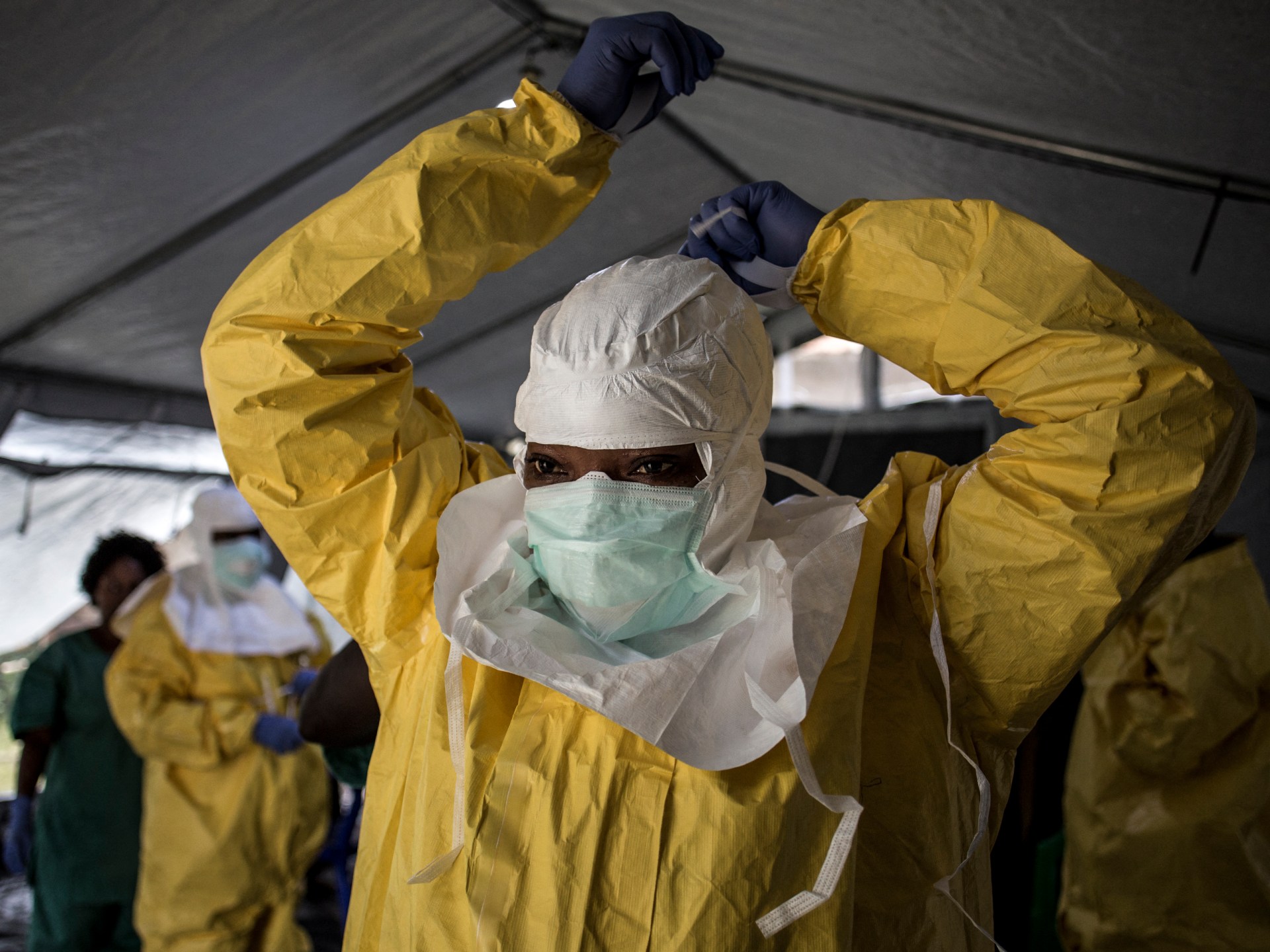
A chilling declaration has emerged from the World Health Organization (WHO): the burgeoning Ebola outbreak DRC and neighboring Uganda now constitutes a “public health emergency of international concern.” This alarming pronouncement follows the tragic deaths of nearly 90 individuals, pushing global health authorities to a heightened state of alert.
Originating in the Democratic Republic of the Congo’s eastern Ituri province, this particular resurgence involves the formidable Bundibugyo strain of Ebola. This variant, unfortunately, currently lacks any approved vaccine or specific treatment, amplifying the severity of the situation.
Health officials are gravely concerned, citing a high regional risk. Infections have already been confirmed in Uganda, and disturbingly, cases linked to this ongoing outbreak have surfaced in Kinshasa, Congo’s bustling capital. While the WHO stopped short of classifying it as a pandemic, not meeting the stringent criteria, the agency has urged nations to refrain from imposing border closures or trade restrictions, emphasizing that such measures could paradoxically hinder containment efforts.
Understanding the Ebola Outbreak DRC
The alarm bells first rang in Ituri province on a recent Friday, near the strategic borders with Uganda and South Sudan. Africa’s Centres for Disease Control and Prevention (Africa CDC) reported a grim tally: 88 fatalities and 336 suspected cases within days. The genesis of this specific Ebola outbreak DRC was traced back to Mongwalu, a densely populated mining region. The virus, insidious in its spread, then moved as infected individuals traveled, seeking care elsewhere and unwittingly disseminating the disease.
Africa CDC has underscored several formidable obstacles to containment. Population movements are rampant, healthcare infrastructure remains fragile, and the region is plagued by persistent violence from armed groups. These factors collectively threaten to derail efforts to control the virus. The outbreak’s patient zero, according to DRC Health Minister Samuel-Roger Kamba, was a nurse who presented with Ebola-like symptoms in Bunia, Ituri’s capital, in late April.
Meanwhile, Uganda has confirmed two laboratory cases directly linked to cross-border travel from the DRC, including a tragic death in its capital, Kampala. Trish Newport from Doctors Without Borders (MSF) voiced deep concern: “The number of cases and deaths we are seeing in such a short timeframe, combined with the spread across several health zones and now across the border, is extremely concerning.” She stressed the urgency of swift action, particularly in Ituri, where many already contend with limited healthcare access and pervasive insecurity.
What is Ebola? A Lethal Foe
Ebola, a severe and often fatal viral disease, first emerged in 1976 near the Ebola River in what is now the DRC. It is widely believed to originate in wild animals, particularly bats, before making the leap to human populations. Transmission occurs through direct contact with bodily fluids – blood, vomit, semen, or other contaminated materials, including bedding and clothing. Critically, individuals become contagious only once symptoms manifest.
Symptoms are harrowing: fever, relentless vomiting, severe diarrhoea, intense muscle pain, profound weakness, and in advanced stages, both internal and external bleeding. The incubation period, the time between exposure and symptom onset, can range from two to a terrifying 21 days. This particular Ebola outbreak is driven by the Bundibugyo strain, first identified in Uganda in 2007. Health Minister Kamba highlighted its “very high lethality rate, which can reach 50 percent,” reiterating the absence of a vaccine or specific treatment for this variant.
The WHO’s Emergency Declaration: What it Signifies
The WHO’s declaration of a “public health emergency of international concern” represents the organization’s second-highest alert level under global health regulations. It’s a serious step, yet distinct from a “pandemic emergency,” the highest tier introduced post-COVID-19. WHO Director-General Tedros Adhanom Ghebreyesus cautioned that neighboring nations face a “high risk for further spread” due to extensive population mobility, robust trade and travel links, and the current epidemiological uncertainties.
The organization has implored adjacent countries to activate emergency-management systems, bolster cross-border screening measures, and immediately isolate all confirmed cases. They also advised daily monitoring of contacts and recommended that exposed individuals avoid international travel for 21 days. However, the WHO firmly advised against border closures, fearing such restrictions could inadvertently force unmonitored informal crossings, thus undermining vital containment strategies. For more detailed information on various viral diseases and global health guidance, visit the WHO website.
The agency admitted significant uncertainties regarding the true number of infected persons and the precise geographic reach of the current event. Furthermore, epidemiological links with known or suspected cases remain poorly understood, adding layers of complexity to the response.
A History of Outbreaks and Compounding Challenges
The DRC has endured at least 17 Ebola outbreaks since the virus was first identified within its borders in 1976, making it tragically familiar with the disease. The nation’s deadliest encounter, from 2018 to 2020, claimed nearly 2,300 lives, with some spillover into Uganda. Another outbreak just last year killed at least 34 people before it was eventually declared over.
Beyond the immediate health crisis, the DRC grapples with an intractable conflict. Numerous rebel groups actively destabilize regions, including Ituri province, posing a monumental challenge to virus response efforts. The WHO itself warned that “ongoing insecurity, humanitarian crisis, high population mobility, the urban or semiurban nature of the current hotspot and the large network of informal healthcare facilities further compound the risk of spread.” Recent rebel attacks have claimed dozens of lives, highlighting the profound instability. The eastern DRC, a region rich in minerals, has been ravaged for over three decades by armed factions battling for control of its valuable resources, creating a tragically fertile ground for such health emergencies.