
WHO declares Ebola outbreak in Congo, Uganda a global health emergency
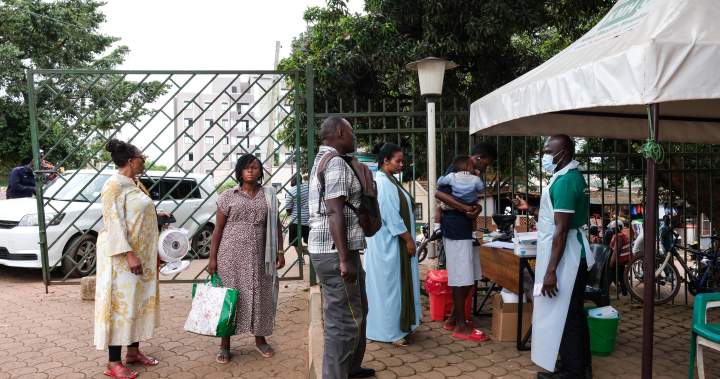
In a sobering move, the World Health Organization has officially declared the burgeoning Congo Ebola Outbreak a public health emergency of international concern. This stark declaration, issued Sunday, follows reports of over 300 suspected cases and a tragic toll of 88 lives lost in the Democratic Republic of Congo and neighboring Uganda. The virus, an exceedingly rare variant, presents a formidable challenge to global health authorities.
The WHO emphasized that, unlike the COVID-19 pandemic, this situation does not currently warrant the closure of international borders. Nevertheless, the agency’s urgent pronouncement serves as a critical alarm, designed to galvanize donor nations and international agencies into swift, decisive action. Past emergency declarations, such as for mpox in 2024, have sometimes fallen short in expediting crucial supplies like diagnostics and vaccines to affected regions.
Untreatable Strain Fuels Congo Ebola Outbreak Concerns
What makes this particular crisis so alarming? The current Congo Ebola Outbreak is caused by the Bundibugyo virus, an exceptionally rare variant of Ebola for which no approved therapeutics or vaccines currently exist. While Congo and Uganda have grappled with more than 20 Ebola incidents over the years, this marks only the third documented appearance of the Bundibugyo strain. Health authorities confirmed the outbreak just last Friday, yet its true scale remains shrouded in uncertainty.
Evidence suggests a potentially wider spread than initially reported. A laboratory-confirmed case has surfaced in Kinshasa, Congo’s sprawling capital, situated approximately 1,000 kilometers from the outbreak’s epicenter in Ituri province. The patient had visited Ituri. Additionally, suspected cases have emerged in North Kivu province, a densely populated area bordering Ituri, further complicating containment efforts.
Containing such a highly contagious disease is always arduous, but the conditions on the ground are proving exceptionally difficult. Dr. Jean Kaseya, Director-General of the Africa Centres for Disease Control and Prevention, highlighted the persistent high number of active community cases, particularly in Mongwalu, where the initial infections were identified. This significantly obstructs contact tracing and isolation. Compounding these efforts are ongoing violent conflicts with militant groups and constant population movements fueled by mining activities, both within Congo and across its borders into Uganda.
Furthermore, detection was painfully slow. The Africa CDC revealed the outbreak likely began in April, with the first suspected case developing symptoms on April 24 and succumbing to the illness just three days later. Tragically, by May 5, when health authorities were finally alerted via social media, a staggering 50 deaths had already occurred. This delay allowed the virus precious time to disseminate unchecked. For more essential public health insights, visit the World Health Organization website.
Shanelle Hall, a principal adviser to the Africa CDC head, noted that while four therapeutics are under consideration for the Bundibugyo virus, there’s no active vaccine development. The broader issue, she stressed, is Africa’s reliance on external manufacturing for even existing Ebola vaccines and treatments. The continent’s arduous struggle to procure COVID-19 vaccines spurred initiatives to bolster local production, but resources for such endeavors remain woefully scarce.
Kaseya passionately articulated the continent’s urgent need for self-sufficiency. “If we are serious in this continent, we need to manufacture what we need,” he declared. “We cannot every single day look for others to come to tell us what they are doing.” This sentiment underscores a critical long-term strategy, particularly pertinent as the world grapples with the escalating complexities of the Congo Ebola Outbreak and future health crises.