Kerala’s Political Crossroads: Will ‘Brand Pinarayi’ Defy History in 2026?
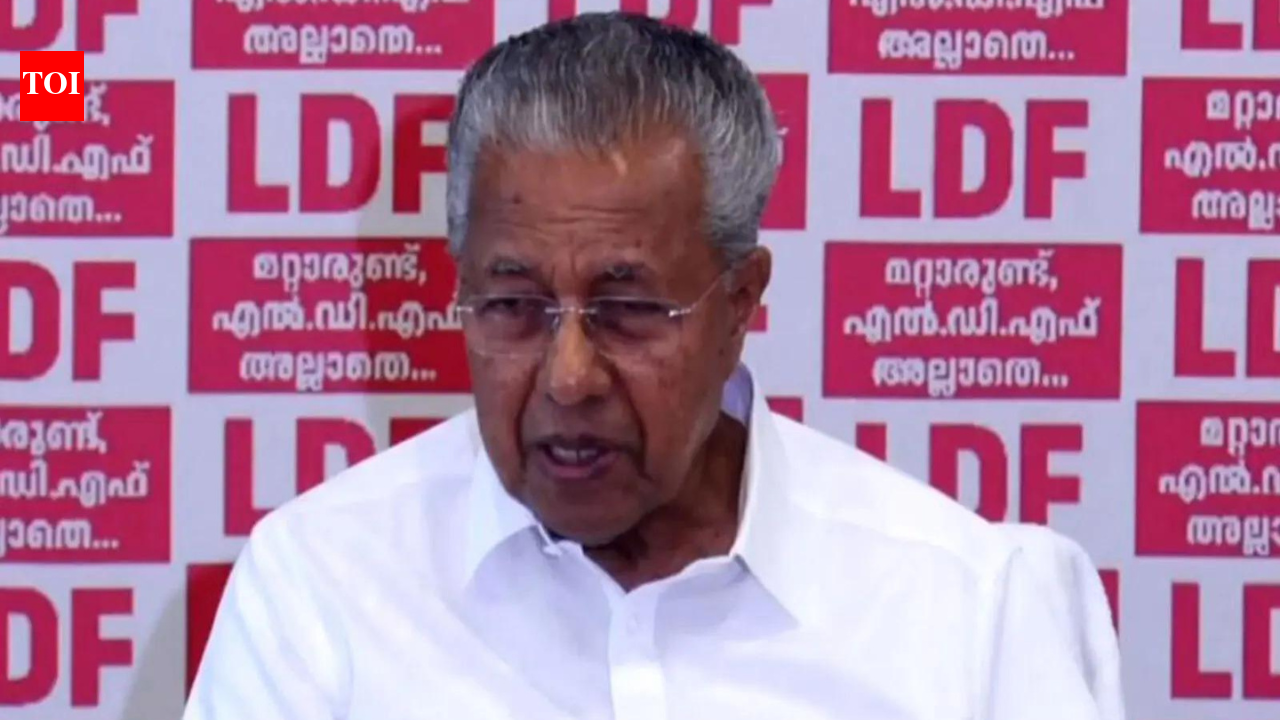
As Kerala gears up for the 2026 Assembly elections, the political landscape is buzzing with speculation about the fate of the ruling Left Democratic Front (LDF) and, more critically, Chief Minister Pinarayi Vijayan. This upcoming electoral cycle is shaping up to be more than just a contest for power; it’s a profound referendum on whether the ‘Pinarayi brand’ of governance can withstand mounting voter unease and the state’s historical pattern of political alternation. Having broken the cycle in 2021 by securing an unprecedented second consecutive term, the LDF now faces the daunting task of achieving a third, testing the very foundations of its unique political trajectory.
Kerala’s electoral history has long been defined by a pendulum swing between the LDF and the United Democratic Front (UDF). The LDF’s 2021 victory marked a significant deviation, prompting questions about whether it was an anomaly born of exceptional circumstances or a harbinger of a new era in state politics. The answer to this question will determine not just the next government but the evolving dynamics of leadership and voter behaviour in the state.
The Gathering Storm: Anti-Incumbency Takes Shape
The concept of anti-incumbency, often elusive and difficult to quantify, is increasingly becoming a palpable force in Kerala. Political commentator Roy Mathew describes it as an “undercurrent” that, while not always visible, decisively influences poll outcomes. However, recent indicators suggest this undercurrent is intensifying, manifesting in more discernible ways.
Early warning signals emerged from the LDF’s setbacks in the 2024 Lok Sabha elections and the subsequent 2025 local body polls. While not definitive predictors, these results hint at growing voter dissatisfaction. This discontent, according to Mathew, is driven less by ideological shifts and more by tangible governance concerns, including economic distress, delays in welfare delivery, and a general administrative fatigue.
Leadership Under the Lens: A Dual Challenge
What sets the current political climate apart is a noticeable shift from generic anti-incumbency against the government to a more personalised critique of Chief Minister Vijayan himself. Internal fissures within the CPM, evidenced by instances of dissent, rebel candidates, and widespread discontent among party ranks, underscore this friction. Critics point to perceptions of centralised decision-making, an assertive leadership style, and allegations of political arrogance as key contributors to this sentiment. The crucial question for 2026 is whether the anti-incumbency primarily targets the leadership or extends more broadly to the government’s overall performance.
Economic Headwinds and Eroding Welfare Foundations
Kerala’s pronounced fiscal stress has emerged as a dominant factor shaping voter sentiment. Welfare politics has historically been the bedrock of the LDF’s legitimacy, making disruptions like delays in pension disbursal particularly damaging to its core support base. Furthermore, agrarian distress and persistent unemployment are chipping away at the perception of administrative efficiency.
Dr. J Prabhash, a political analyst and psephologist, notes that the LDF now carries the “burden of a decade in office.” He argues that the absence of strong anti-incumbency in 2021 was largely attributable to the extraordinary context of the COVID-19 pandemic. In stark contrast, the present environment reflects broader and more discernible dissatisfaction cutting across various social groups.
Navigating the Perception Gap
A series of recurring allegations concerning corruption and governance-related controversies have further exacerbated a narrative of disconnect between the ruling establishment and public sentiment. While no single issue may singularly sway the electorate, their cumulative impact, as Prabhash suggests, has reinforced perceptions of strain and fatigue within the state’s administrative system.
Pinarayi’s Unwavering Counter-Narrative
Despite these formidable challenges, Chief Minister Vijayan maintains an outward air of confidence, actively striving to reframe the political discourse around his administration’s achievements in governance and development. His government consistently highlights progress in critical sectors such as infrastructure, public health, and education as irrefutable evidence of performance-driven legitimacy.
Political commentator Jacob George believes the ‘Pinarayi brand’ remains resilient. He points to flagship projects like the successful completion of the GAIL pipeline and the significant progress of the Vizhinjam port as testaments to strong and decisive leadership. This counter-narrative aims to consolidate voter trust by emphasising continuity, administrative capability, and tangible development outcomes.
A High-Stakes Battle for Kerala’s Future
The 2026 Kerala Assembly election is unlikely to be a simple referendum on anti-incumbency alone. Instead, it is evolving into a multifaceted contest where leadership perception, tangible governance outcomes, internal party cohesion, and the opposition’s ability to mobilise will all play decisive roles. For the LDF and Pinarayi Vijayan, the imperative is to sustain credibility amidst economic pressures and growing political dissent. Conversely, the opposition faces the critical task of translating emerging public discontent into a cohesive and compelling electoral alternative.
Ultimately, the outcome will not just define the immediate political future of Kerala but will also serve as a crucial indicator of the evolving nature of leadership and the dynamics of voter behaviour in a state known for its unique political consciousness.
About the Author