
‘Witch-hunt’ in Niger as military regime rounds up LGBTQ+ population
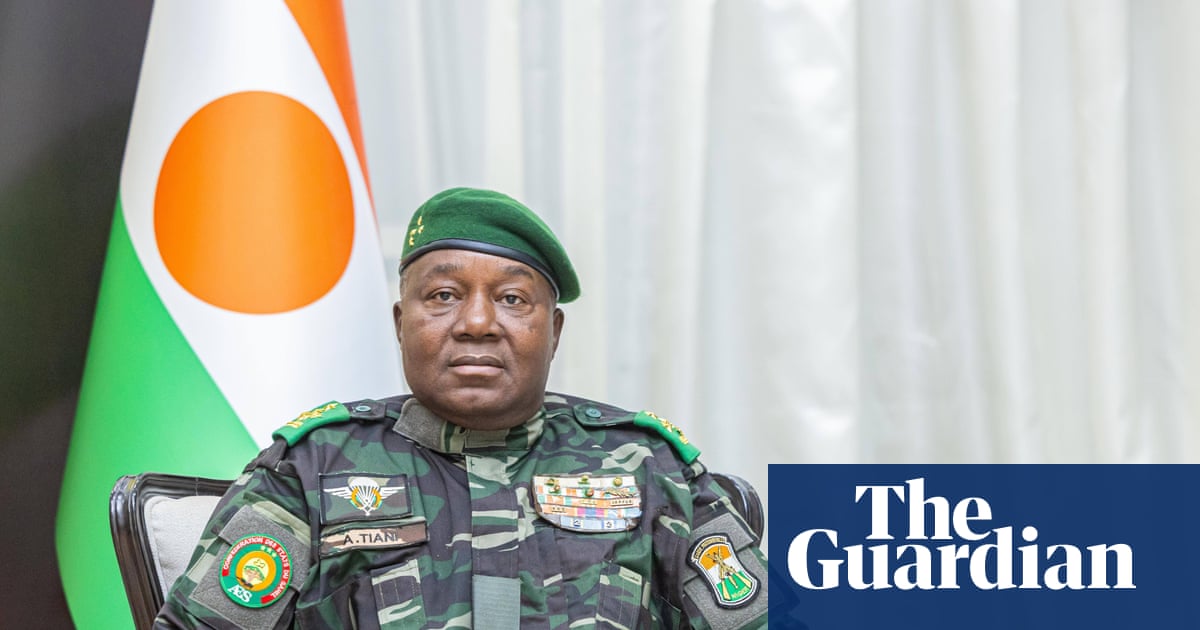
A chilling “witch-hunt” has gripped Niger, unleashing a wave of arrests and igniting profound fears across the West African nation. Dozens now find themselves ensnared by the state’s newly implemented penal code, which introduces draconian Niger LGBTQ+ laws, criminalizing same-sex acts for the first time in the country’s history. This sudden legal shift under the military regime of General Abdourahamane Tiani has created an utterly toxic atmosphere, driving vulnerable communities underground and threatening decades of public health progress.
Reports from local media paint a grim picture: up to 40 individuals have been apprehended, with at least 16 men, including high-ranking military officials, now languishing in prisons nationwide. The crackdown, which began with the penal code’s enactment in February, has sent shockwaves through vital HIV service organizations. These groups, once lifelines for men who have sex with men, have been forced to cease operations entirely.
“The climate here is truly toxic,” a source, requesting anonymity for safety, confided. “LGBTQ+ populations are keeping a low profile, vanishing into hiding. We’ve lost contact with so many; these recent arrests have only exacerbated an already unbearable tension.”
Niger LGBTQ+ Laws Spark Rights Crisis
Niger’s new penal code is brutally explicit. It deems “indecent or unnatural acts” and “sexual relations with a person of the same sex” punishable by up to a decade in prison and hefty fines of up to 100 million West African CFA francs (£130,000). Such legislative moves are not isolated; they echo similar punitive laws recently adopted in neighboring Mali and Burkina Faso, pointing to a disturbing regional trend.
General Tiani, who seized power in a 2023 coup, has steered Niger on an anti-imperialist course, forming a military government and forging alliances with Burkina Faso and Mali while distancing the nation from regional bodies like Ecowas. Critics argue that the regime weaponizes “African values” as a pretext to systematically erode human rights. Political scientist Larissa Kojoué firmly dismisses any notion of homosexuality being a “Western import.” She powerfully asserts, “There is no culture that encourages violence against innocent people… But on the continent, you can do whatever you want with LGBTQ+ people and get away with it.”
The severity of these Niger LGBTQ+ laws extends far beyond individual acts. The penal code now mandates prison terms of up to 20 years for those merely participating in, witnessing, or organizing a gay marriage. Furthermore, any person or organization associated, directly or indirectly, with LGBTQ+ clubs or societies faces potential imprisonment of up to two decades and fines reaching 500 million CFA francs. The implications of these stringent Niger LGBTQ+ laws are devastating, cutting off access to crucial health resources like condoms, testing, and PrEP (pre-exposure prophylaxis), vital medication preventing HIV transmission.
The anonymous source grimly warned of an impending public health catastrophe. “When people go into hiding, we won’t see them, and they won’t be able to protect themselves. You see the impact this penal code has. We are truly saddened by it.” This stark reality is underscored by Niger’s recent vote against the UN’s political declaration on HIV/Aids, adopted by 149 nations, despite an estimated 32,000 new infections in the country in 2023 alone.
This alarming trend in global overview of such legislation underscores a broader regression in human rights across sub-Saharan Africa. From Uganda’s abhorrent 2023 Anti-Homosexuality Act, which introduced the death penalty, to Senegal doubling prison terms and Ghana criminalizing LGBTQ+ advocacy groups, the continent faces a deepening crisis. Half of the 66 countries globally that criminalize consensual same-sex acts are African. International human rights group Front Line Defenders has voiced “deep concern,” urging Nigerien authorities to repeal all provisions targeting individuals based on sexual orientation or gender identity, as well as those who bravely defend them.