
‘Young People Have Awakened’: Rahul Gandhi Targets PM Modi, HM Shah Over Student Protests
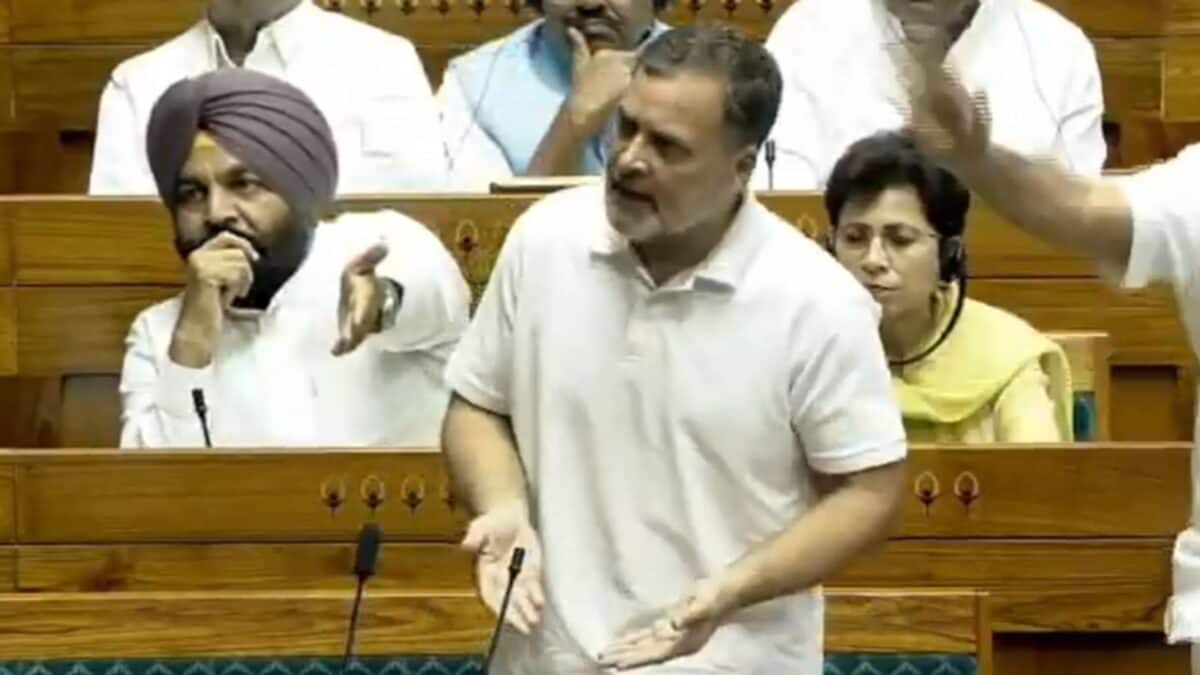
The political atmosphere in India has noticeably intensified, with Leader of the Opposition Rahul Gandhi launching a scathing critique against the Narendra Modi government concerning its response to widespread student protests. Gandhi argues the administration has met legitimate dissent with heavy-handed force rather than embracing accountability, a stance that has ignited a fresh round of political sparring.
In a recently penned column for a prominent national daily, provocatively titled “Either culpable or incompetent,” the Congress scion articulated a profound crisis of trust permeating India’s youth. He emphasized that the burgeoning anger on university campuses and bustling streets is far from an isolated incident tied to a single examination controversy; rather, it reflects a deeply rooted disillusionment among young Indians. Students, he stressed, are merely demanding basic fairness, unwavering transparency, and fundamental respect. Gandhi squarely challenged the government: Is it prepared to acknowledge its responsibility for the immense suffering inflicted upon millions of hopeful aspirants?
Escalating Tensions Over Student Protests
Gandhi did not mince words when addressing the government’s handling of alleged police actions against protesting students. “A government that fears questions from its youth has already lost moral authority,” he declared with conviction. Such an administration, he implied, appears increasingly detached from the authentic sentiment coursing through the nation, fueling the very discontent it seeks to suppress.
In his sharpest rebuke yet directed at Prime Minister Narendra Modi and the Union government’s highest echelons, Gandhi issued a stark warning. “Since Prime Minister Modi is clearly so out of touch, let me warn him – young people across the country have awakened,” he asserted. He further predicted, “His image is destroyed and can never be rebuilt. The youth of India will not allow him, Home Minister Shah, or any official to escape the consequences of their actions. We in the Opposition stand with the youth. We will not allow these crimes to pass unpunished.” This impassioned declaration clearly positions the Congress as a staunch advocate for students embroiled in the ongoing student protests.
Unsurprisingly, BJP leaders have swiftly dismissed these allegations, accusing the Congress of cynically attempting to capitalize on student unrest for narrow political gain. The ruling party maintains that comprehensive investigations into alleged examination irregularities are actively underway, assuring the public that decisive action has been taken whenever clear wrongdoing has been identified. For deeper insights into Indian political discourse, one might explore various political commentary platforms.
However, Gandhi firmly contends that the core issue transcends mere individual cases. “When institutions fail and accountability is denied, frustration inevitably turns into resistance,” he observed, encapsulating the broader philosophical underpinning of the current agitation. The upcoming parliamentary sessions are now poised for intense confrontation, with debates expected to rage not only over examination controversies and persistent unemployment but also the wider landscape of student protests. This intricate tapestry of grievances has undeniably transformed into a sprawling political battle, challenging the very tenets of governance, demanding accountability, and redefining the government’s relationship with India’s vibrant, youthful demographic.