
Zelensky and US envoys holding Oslo talks as Rubio denies withholding intelligence
Introduction & Key Takeaways
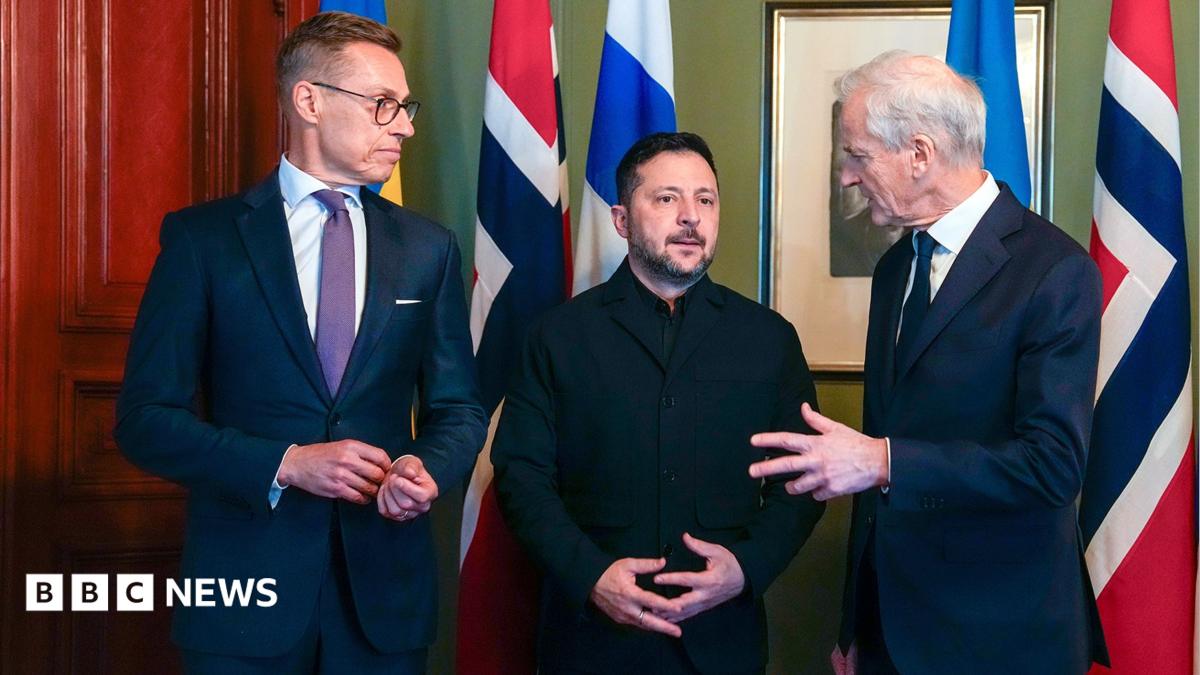
As geopolitical tensions tighten across the Atlantic, Ukrainian President Volodymyr Zelensky has convened in Oslo for critical talks with United States officials. The meeting, which includes US Special Envoy Steve Witkoff and Jared Kushner (participating remotely), occurs at a pivotal moment where the US-Ukraine relationship faces unprecedented strain. This Oslo talks summit arrives as reports of intelligence gaps and conflicting foreign policy agendas threaten the unity of the Western coalition. Key takeaways include:
- The session is aimed at realigning US and Ukrainian diplomatic paths following weeks of cooling relations.
- The US government continues to deny accusations that it is intentionally withholding vital intelligence from Kyiv.
- President Donald Trump has expressed public dissatisfaction with the current Ukrainian leadership, calling for a change in negotiation strategy.
- European partners, led by Norway and Finland, are attempting to act as mediators to ensure the war concludes with a just and lasting peace.
Background & Context
The situation began to deteriorate as communication channels between Kyiv and Washington became increasingly fraught. Reports suggested that Ukrainian military advisors, such as Serhii Beskrestnov, have noticed a dangerous reduction in intelligence warnings regarding incoming Russian strikes. While officials such as US Secretary of State Marco Rubio have dismissed these claims as scandalous, the reality on the ground has left many questioning the current commitment of the United States. This climate of uncertainty is compounded by the administration’s recent deal with the Kremlin regarding diesel exports, a move that signals a pivot in Washington’s strategic priorities.
Root Cause & Deep Dive Analysis
At the heart of the divide is a fundamental disagreement over military and economic strategy. President Trump has repeatedly cited the ongoing conflict between Ukraine and Russia as a primary driver of record high fuel prices in the United States, particularly following the US-led war on Iran. The administration has explicitly pressured Kyiv to cease operations against Russian energy infrastructure. Furthermore, Vice-President JD Vance recently highlighted the lack of a formal alliance, noting that the interests of the two nations are becoming increasingly divergent. This shift has placed immense pressure on the broader international stability of the region. Critics argue that the weakening of ties may embolden aggressive actors, while proponents of the administration’s current path emphasize the need to prioritize domestic economic recovery and avoid further escalation.
Strategic Implications & Future Impact
The global ramifications of these Oslo talks cannot be overstated. If the United States continues to distance itself from its Ukrainian partner, the burden of defense will fall almost entirely on European nations. German Chancellor Friedrich Merz has already noted the immense financial weight currently being shouldered by the European Union. The outcome of the upcoming US midterm elections remains a significant wildcard, as shifting political winds in Washington could completely reshape the transatlantic security architecture. For more historical context on how complex leadership dynamics can impact nations, one may look at the long-term battles for political identity that define modern states.
Conclusion & What to Watch Next
As the international community watches these negotiations, the primary focus remains on whether a middle ground can be established. Will the US resume consistent intelligence sharing? Can Europe maintain the momentum of support without significant American backing? With the Kremlin actively seeking to engage with US envoys, the diplomatic landscape is shifting rapidly. The world waits to see if these efforts in Norway will prevent a complete fracture in the alliance or if the gap between Kyiv and Washington is already too wide to bridge.