
Zelensky backs Trump’s ‘energy ceasefire’ but says Russia continues to hit power plants
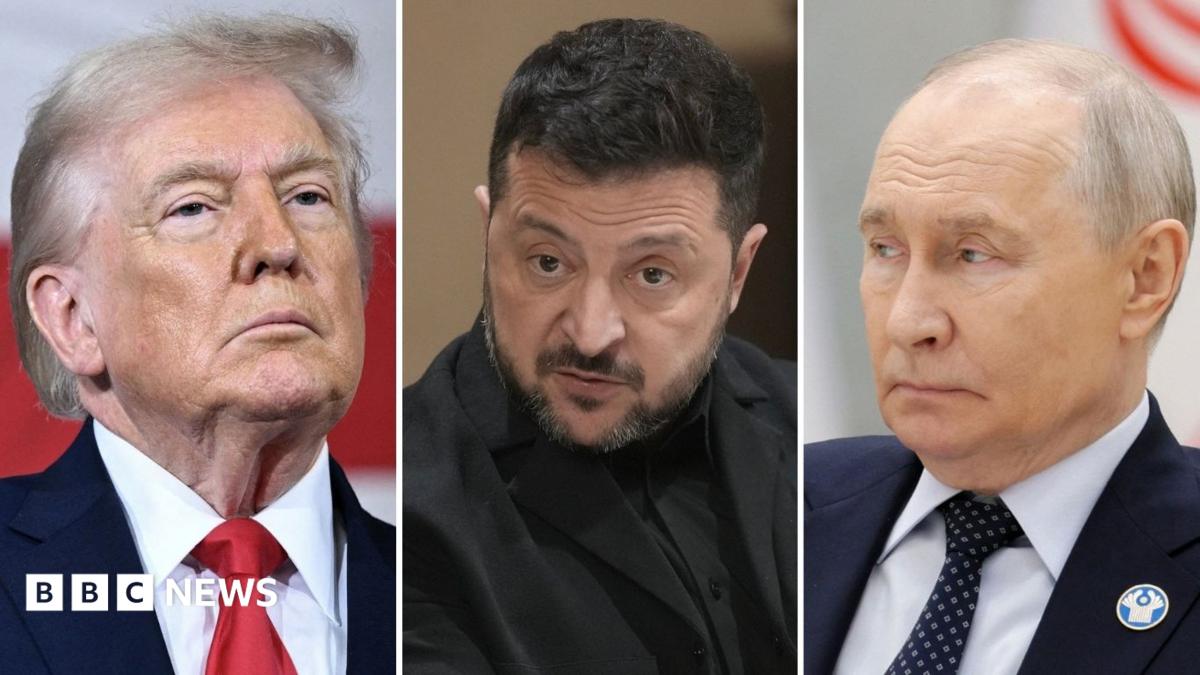
Introduction & Key Takeaways
The geopolitical landscape of the ongoing conflict between Ukraine and Russia has shifted unexpectedly following a bold claim by US President Donald Trump regarding an energy ceasefire. This proposed truce aims to halt strikes on critical oil and power infrastructure, a move ostensibly tied to a broader, controversial deal involving Russian diesel exports to Western markets. As the world watches, the efficacy of this diplomatic maneuver remains highly questionable, especially as hostilities persist on the ground.
- President Trump claims an immediate energy ceasefire exists, though details remain sparse.
- Kyiv has expressed conditional support for the truce, provided Moscow reciprocates.
- The agreement is deeply tied to a controversial deal to resume Russian diesel imports.
- Critics across the political spectrum argue the move undermines established sanctions.
Background & Context
To understand the current tension, one must look at the history of the conflict, which has evolved into a war of attrition where energy infrastructure serves as both a tactical and economic target. Ukraine has frequently targeted Russian oil refineries to diminish the Kremlin’s revenue stream, while Moscow has responded with relentless barrages against Ukrainian power plants to destabilize the nation. The US administration, grappling with domestic inflation and rising fuel prices ahead of midterm elections, has sought a diplomatic exit that secures energy stability, potentially at the cost of long-term strategic integrity.
Root Cause & Deep Dive Analysis
Why did this energy ceasefire emerge now? The primary driver appears to be domestic US politics. The reliance on Russian diesel, which involves a temporary rollback of sanctions, is a calculated gamble intended to lower pump prices for American voters. However, this initiative faces severe scrutiny from both Democratic and Republican lawmakers who believe such actions explicitly violate international policy norms regarding energy dependence on an aggressor state. By attempting to separate energy security from the broader kinetic war, the White House is testing the limits of international cooperation and alliance cohesion.
Strategic Implications & Future Impact
The strategic ramifications of an energy ceasefire are profound. For Ukraine, the immediate danger is that a pause on infrastructure strikes allows Russia to fortify its own capabilities without reducing its capacity to fund the war effort. Furthermore, the diplomatic friction caused by this deal risks isolating the US from key European allies who are skeptical of loosening sanctions on Moscow. If the agreement fails to hold, as suggested by the recent drone strikes on Kyiv, the credibility of the US as a mediator will likely suffer a significant blow on the global stage. The long-term impact on the global oil market also remains uncertain, as reliance on Russian diesel may create new vulnerabilities in the supply chain that adversaries could exploit in the future.
Conclusion & What to Watch Next
As the international community awaits clarification, the stability of this arrangement is already in jeopardy. The persistence of military strikes against energy sites post-announcement highlights the fragility of diplomatic promises when trust is non-existent. Observers should monitor whether Congress succeeds in forcing the administration to reverse course on the diesel deal, and if Ukraine can secure alternative, more sustainable energy support. Ultimately, the question remains whether peace in the energy sector can exist while a full-scale territorial war continues to rage across Eastern Europe.