
‘Blatant disregard for rights’: concern grows over Gabon’s social media clampdown
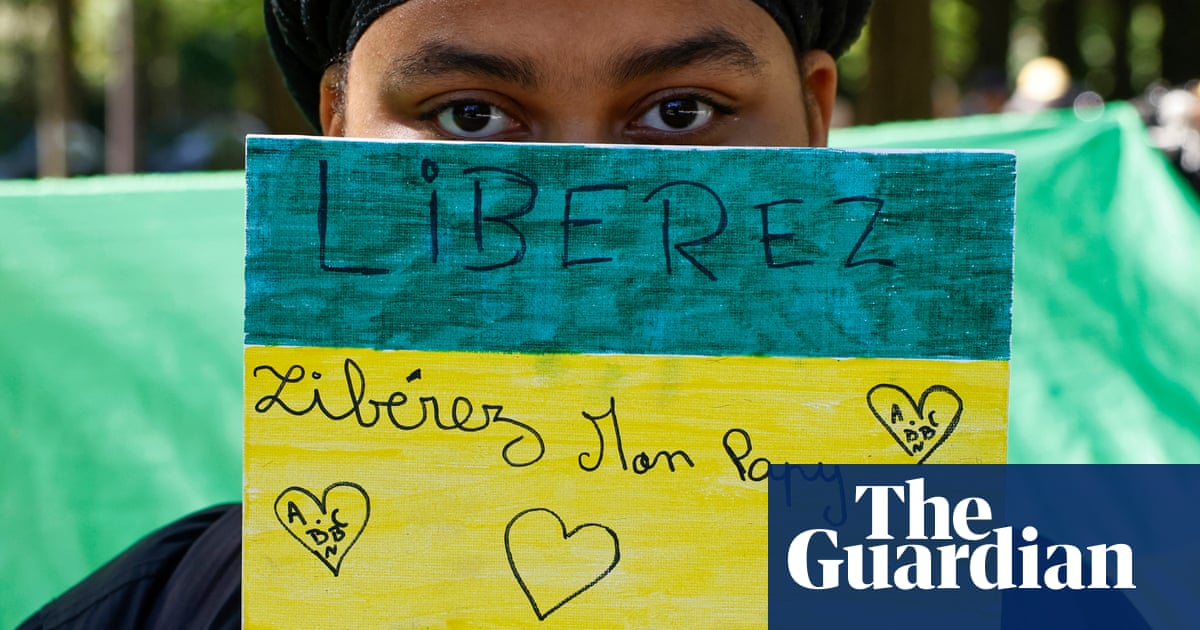
A recent, unsettling development in Gabon has ignited a firestorm of international concern: the government’s increasingly aggressive stance on Gabon social media. What began as an indefinite suspension of major platforms in February, ostensibly for “security concerns” amidst anti-government protests, has now escalated into a full-blown clampdown, severely eroding digital freedoms and sparking outrage among human rights advocates.
The Escalating Gabon Social Media Control
In the wake of the initial shutdown, a predictable surge in Virtual Private Network (VPN) usage swept across the central African nation. Citizens, desperate to maintain vital connections and access information, rapidly adopted these tools. But the state’s response was swift and brutal. Gendarmerie forces at checkpoints in Libreville and other urban hubs began confiscating phones found with VPNs, detaining their owners. Warnings, whispered from person to person, spread like wildfire. Activists and opposition figures soon reported their social media accounts mysteriously suspended, clear evidence of state-sponsored efforts to silence dissenting voices.
Social media had, for months, been a critical lifeline. Since December, it facilitated communication among workers in the education and health sectors protesting dismal pay and the spiraling cost of living. Authorities, however, painted a different picture, citing “misinformation, disinformation, pornographic content, and incitement to hatred” as justifications for their drastic measures.
Felicia Anthonio, a campaign manager at the #KeepItOn coalition – a formidable global alliance dedicated to human rights – minced no words. She declared this “sustained intentional interference with access to essential digital communication platforms in Gabon is a blatant disregard for people’s fundamental rights, specifically the freedom of expression and the right to access information.” Her sentiment echoes a broader appeal from rights groups, urging due process for offenders rather than sweeping, unconstitutional collective punishment. For more on global internet freedom, visit Freedom House.
The plight of Nelly Ngabima, a prominent activist known as Princesse de Souba, serves as a stark illustration of the regime’s tactics. After receiving explicit threats from Gabonese officials to “disappear from social networks,” her accounts across Facebook, YouTube, and TikTok, boasting over 300,000 combined followers, were suspended within weeks. “They create fake accounts and they put our identities on those accounts, then they report us for identity theft,” Ngabima revealed. The pervasive fear has reached such a pitch that “Gabonese people even struggle to send a WhatsApp message because they are afraid. They do not even go out with their phones.”
New Laws Tighten the Noose on Digital Expression
Though the initial restrictions were momentarily eased in April, a chilling new regulation, enacted in February, looms large. This mandate compels all social media users to furnish verified names, addresses, and even ID numbers. Non-compliant social networks face draconian fines of 50 million central African CFA francs (£66,000) and potential prison sentences. This alarming piece of legislation is just one facet of a broader legal overhaul designed to codify dissent suppression, including a controversial new nationality code that critics argue curtails the rights of naturalized citizens and simplifies state-initiated denaturalization.
Government spokesperson Charles Edgard Mombo dismissed criticisms as mere “form” over “substance,” suggesting objections stemmed from the code’s premature implementation before parliamentary ratification. He cited Article 99 of Gabon’s constitution, which permits presidential ordinances during emergencies, subject to later parliamentary approval.
Even former prime minister Alain-Claude Bilie-By-Nze, an opposition leader who dared to challenge these restrictions in court, found himself arrested in April on what his supporters decry as “trumped-up” charges of fraud and breach of trust from a 2008 case. Ngabima, once a Gabonese intelligence operative tasked with surveillance, now based in France, warns that her past experience underscores the regime’s profound capacity to monitor and target perceived dissidents.
Gabon, an oil-rich nation grappling with widespread poverty and rampant corruption, has a troubling history of quashing opposition. The current crisis, revolving around Gabon social media, echoes the August 2023 internet shutdown prior to a contentious election. Though the internet was restored four days later after a military coup deposed Ali Bongo, the pattern of suppression persists.
General Brice Oligui Nguema, who seized power promising a new era after decades of Bongo family rule, is increasingly perceived by critics as a continuation of the same authoritarian playbook. Despite a seemingly more open presidential election in 2025, Ngabima succinctly summarized the prevailing sentiment: “In reality, strictly speaking, nothing has changed.” The promise of a new leader, free from the predecessors’ condemned behaviors, rings hollow when the same repressive tactics, particularly concerning internet freedom and the economy, continue unabated.