
Mumbai Airport Flash Strike Hits Air India Operations, Delays 15 Flights
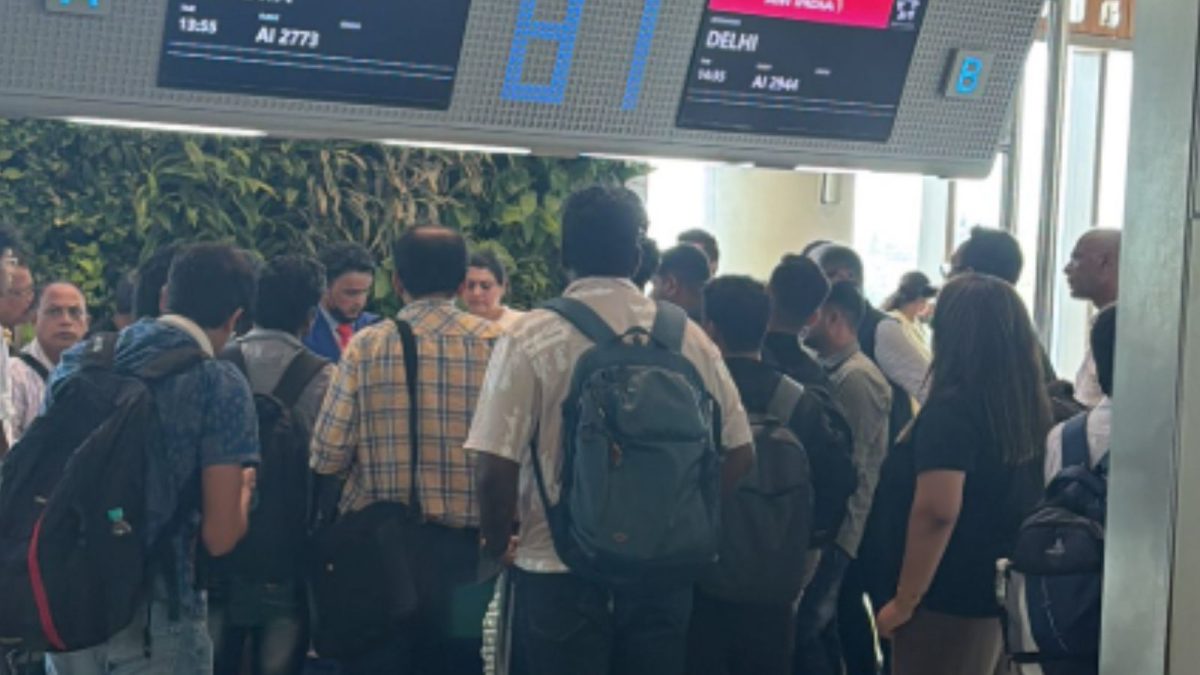
A sudden, disruptive Mumbai Airport Strike by ground handling personnel on Monday sent shockwaves through Chhatrapati Shivaji Maharaj International Airport, critically impeding Air India’s flight schedule and stranding hundreds of passengers in a vortex of confusion and exasperation.
Chaos Ensues: The Impact of the Mumbai Airport Strike
Fifteen outgoing flights, at a minimum, suffered delays stretching up to two hours. Imagine the plight of those on arriving aircraft, compelled to remain ensconced within the cabin for nearly an hour post-landing, all thanks to a complete breakdown in crucial ground handling operations.
Sujit Dilip, a 50-year-old circus owner from Pune, recounted his ordeal aboard a Hyderabad-Mumbai Air India service. “We landed at 11:45 AM and had to remain inside the aircraft till around 1 PM. Once we disembarked, we were told there had been some strike by the ground staff.” He missed a vital business meeting scheduled for 1 PM, unable to retrieve his baggage until a staggering 2 PM.
Adding to the passenger woes, flight AI 431, bound for Dehradun from Mumbai, faced a protracted delay exceeding two hours. Gajendra Verma, an 80-year-old retired government employee, expressed palpable frustration. “We have been waiting at the boarding gate since 11 AM… we are yet to board.” The flight remained grounded well into the afternoon.
Demands and Disruption
The flash protest, orchestrated by employees of AI Airport Services Limited (AIASL), a government-owned ground handling firm crucial to Air India, Air India Express, and dozens of other domestic and international carriers, stemmed from grievances over salary increments and other pressing demands. This Mumbai Airport strike underscores the intricate dependencies within the global aviation network, where even localized disputes can ripple outwards, affecting thousands. For more insights into the challenges facing air travel logistics, one might consult global aviation standards.
Air India swiftly issued a statement, acknowledging the “industrial action by employees of a third-party ground handling agency” at Mumbai airport. The airline affirmed its teams were diligently collaborating with all stakeholders to mitigate disruption and expedite the return to normalcy.
Resolution and Review
Later in the day, a semblance of order returned. AIASL confirmed that staff had resumed their duties following assurances from management that their demands would be meticulously reviewed. AIASL CEO Rambabu stated, “There was a silent morcha by a certain section of employees, and we requested them to give us in writing their demands for discussion. They have been kind enough to go back and join work.” He further added, “They have given us a letter. We have told them that we will go through the same in terms of the policies.”
Operating across 84 airports nationwide, AIASL boasts a formidable workforce of nearly 20,000, managing approximately 650 flights daily for around 80 airlines. This widespread influence highlights why any disruption involving AIASL staff, such as this recent Mumbai Airport strike, poses such a significant operational challenge.