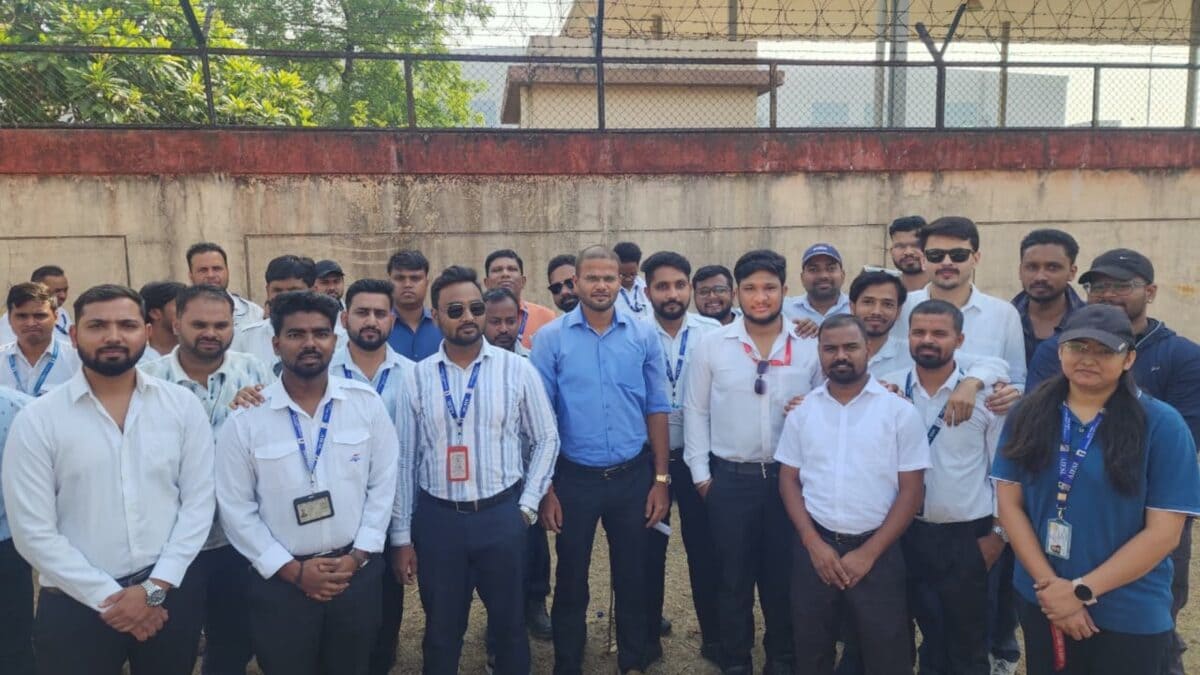
An unprecedented crisis has gripped India’s aviation sector as a massive AIESL strike by hundreds of aircraft maintenance personnel has brought critical operations to a standstill at major airports nationwide. For over ten days, these highly skilled technicians, responsible for the minute-to-minute safety and functionality of passenger planes, have refused to report for duty. This significant walkout has forced Air India Engineering Services Limited (AIESL), the country’s preeminent Maintenance, Repair, Overhaul (MRO) provider, to frantically enlist external firms, desperately attempting to keep the nation’s aircraft flying.
The genesis of this profound industrial action, which commenced on May 13, lies in a litany of unaddressed grievances. Employees are vehemently demanding the revocation of a restrictive policy that severely limits their ability to seek employment elsewhere. Furthermore, they seek a long-overdue revision of their salary structures, the implementation of a dearness allowance, and the complete adoption of the new labor code. Frustration among the workforce is palpable; management, they contend, has been conspicuously silent on their urgent pleas.
Impact of the AIESL Strike on Air Travel
The operational scope of AIESL is vast, encompassing a diverse array of aircraft fleets. From the ubiquitous A320 family, A310, and A330 to the colossal B747-400 and the modern B787 Dreamliners, their expertise is indispensable. The country-wide workforce dedicated to daily aircraft maintenance comprises an estimated 1,800 to 2,000 engineering staff, strategically deployed across key aviation hubs including Delhi, Mumbai, Bengaluru, Hyderabad, and Chennai. An additional 1,000-1,200 non-technical personnel also contribute to the company’s operations.
These dedicated technicians, working arduous eight-hour shifts with a meager Rs 85 per hour for overtime, perform safety-critical tasks. Their duties range from meticulous pre- and post-flight checks, intricate hydraulic system maintenance, and engine overhauls to precise wheel brake changes and landing gear servicing. The very fabric of air travel safety hangs in the balance with their absence.
Suraj Kumar, a senior aircraft technician whose employment was terminated on May 14 following the protest, spoke candidly. “In Delhi alone, at least 400 workers are not reporting. Across the country, it’s well over 2,000, yet the company shows no regard for our demands. We simply seek a fair pay structure, commensurate with permanent employees.” Kumar also highlighted a deeply concerning policy: “Last year, a notice restricted us from obtaining an No Objection Certificate (NOC) if we wished to move to another company. We demand its immediate withdrawal.” He further revealed that police were called to disperse protesting workers on the first day, and now, with third-party firms in charge, “almost every day, some technical malfunction is reported because the current workforce lacks efficiency.” Such statements raise serious questions about the potential ramifications for passenger safety.
Another technician, Sandeep Poswal, echoed the sentiment of frustration. “We’ve engaged in numerous discussions with HR and administrators, but no resolution has emerged. Our demands are clear: reinstate those terminated, implement the labor code, and ensure equal pay for equal work.” He affirmed the resolve of his colleagues: “In Delhi, none of us—at least 350-400—are going to work.”
The striking employees are now galvanized, planning a monumental demonstration outside the Ministry of Civil Aviation in the coming days, expecting participation from across the nation. Attempts to secure comments from AIESL’s Chief Managing Director, Vineet Goel, and General Manager, Gurmeet Singh, by News18 were met with silence, further exacerbating the tension. The ongoing challenges facing the aviation industry are complex, but worker welfare remains paramount.
About the Author