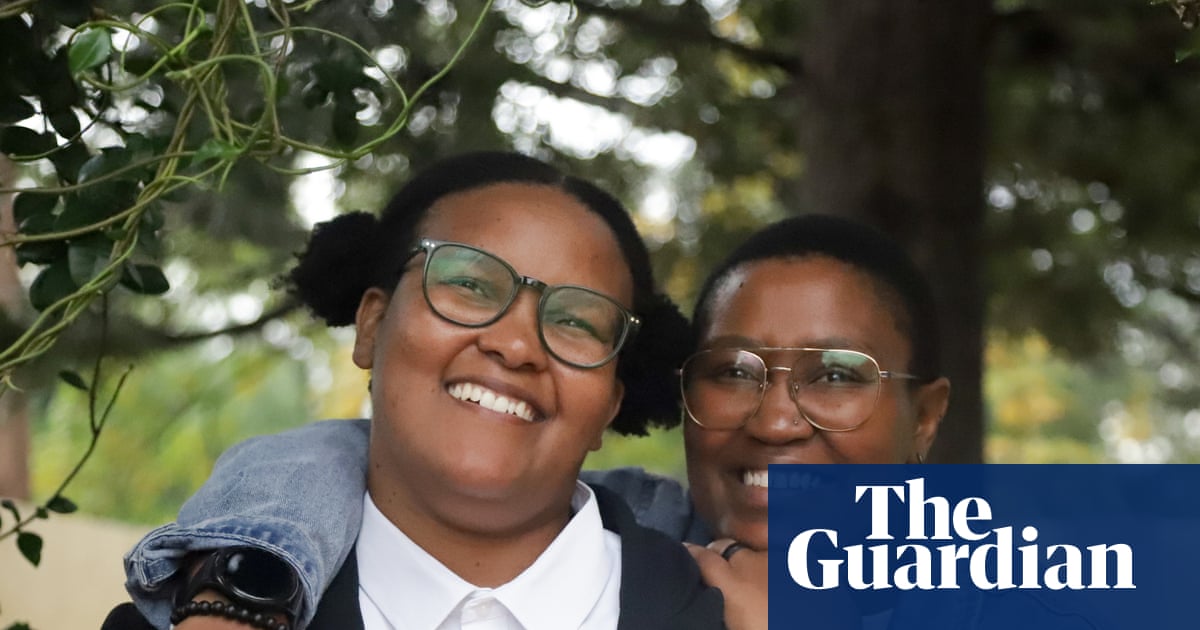
A groundbreaking legal challenge is unfolding in Botswana, spearheaded by Bonolo Selelo and Tsholofelo Kumile, whose journey for love now aims to redefine Same-Sex Marriage Botswana. Their captivating story, born from a chance encounter at a Gaborone Pride event in October 2023, rapidly blossomed into an engagement by Easter 2024. But their path to matrimony hit an unexpected, albeit anticipated, legal wall: local authorities declared their union unlawful.
Bonolo, a keen legal mind, quickly grasped the profound implications. “It was kind of expected. But I don’t think they expected the response,” Tsholofelo reflected, looking affectionately at her fiancée. “She does not back down.” Indeed. This denial ignited a formidable court case, with hearings set for July 14th and 15th, poised to challenge existing statutes and potentially carve out a new future for LGBTQ+ rights in the nation. Success would make Botswana the second African country to legalise such unions, following the precedent set by South Africa in 2006.
The Pivotal Fight for Same-Sex Marriage Botswana
For Bonolo, a lawyer herself, the fight transcends romantic ideals; it’s rooted in practical, pressing concerns. “I said … I want us to get married, because I love you, but there’s also the practical part,” she explained from her law firm office, where Tsholofelo also works. Bonolo fears for Tsholofelo’s legal protection should she, as a lawyer, no longer be there to provide it. Marriage, she argues, offers an unparalleled safeguard, a shield no other institution can provide.
Despite Botswana decriminalising same-sex relations in 2019 – a ruling upheld on appeal in 2021 – the government steadfastly defends its ban on same-sex marriage. A spokesperson for the Attorney General clarified, stating the Marriage Act defines a valid marriage as between a “bride and a bridegroom and or a husband and wife,” conventionally implying a union between a man and a woman. This interpretation, they assert, explicitly excludes same-sex unions.
Yet, Bonolo and Tsholofelo’s legal team wields a compelling counter-argument: the Interpretation Act. This foundational law explicitly states: “In an enactment words importing the male sex include the female sex and words importing the female sex include males.” This legal nuance forms a critical cornerstone of their argument for marriage equality.
This battle for same-sex marriage Botswana unfolds against a complex continental backdrop. While Southern Africa and its island states generally lean more liberal, with countries like Lesotho, Mozambique, and Namibia having legalised same-sex relations since 2012, a stark reality persists elsewhere. A sobering 32 of Africa’s 54 nations still criminalise consensual same-sex intimacy. Furthermore, a disturbing global backlash against LGBTQ+ rights has seen countries like Uganda and Senegal pass increasingly draconian laws in recent years, escalating prison terms and criminalising the “promotion” of homosexuality.
Public opinion within Botswana itself paints a nuanced picture. Post-2019 decriminalisation, tolerance appears to have waned. A 2021 Afrobarometer survey revealed that half of Botswanans would accept gay neighbours; by 2024, that figure had dipped to 41%. In response, Legabibo, an LGBTQ+ rights group, launched its “Lorato Ke Lorato” (Love Is Love) campaign, aiming to foster understanding. “We’re not asking for any special rights,” said campaign leader Matlhongonolo Samsam.
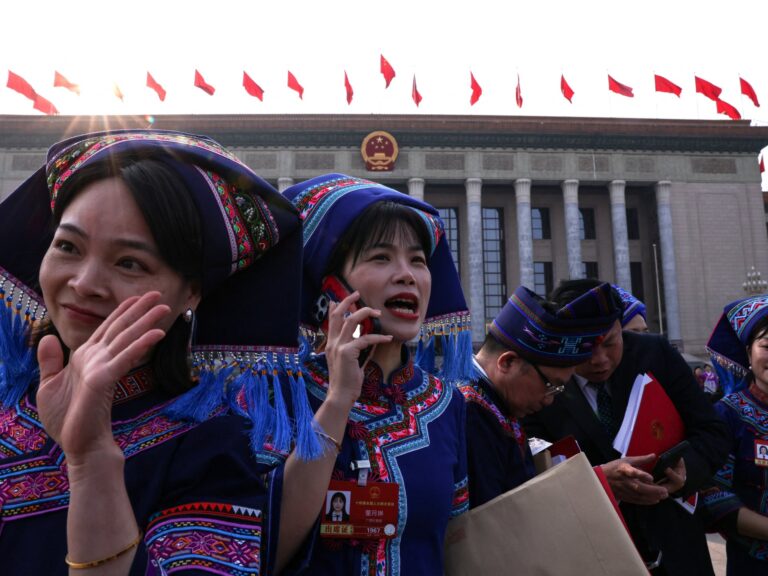
Opposing their efforts is the Dingwetsi Association, a traditional women’s group promoting heterosexual marriage, which seeks to join the case. Its founder, Grace Silver, whose 2,000 members often don traditional attire to court, vehemently defends cultural norms. Moshe Morebodi of the Botswana House of Prayer and Transformation goes further, declaring “Same-sex human rights are a subset of a satanic sect.”
This religious opposition clashes with the views of figures like Tshepo Ricki Kgositau, who runs a foundation supporting transgender Botswanans and is part of an LGBTQ+ task team within the Methodist Church of Southern Africa. She laments the “conservative and narrow interpretation by some conservative faith community members,” asserting, “If you do not know love, you cannot claim to know God.” Kgositau herself faced devastating consequences when, despite marrying in South Africa, her husband was barred from entering Botswana for their traditional wedding due to her legal gender status.
For couples like Brendon Tereki and his partner, Tashatha, the legal fight for Same-Sex Marriage Botswana is a beacon of hope. Their initial public date two years ago ended with a comfortable kiss, a testament to Tashatha’s profound impact on Brendon. “He has made me open up more than I ever thought,” Brendon shared, his desire clear: “I really want to get married.” The outcome of Selelo and Kumile’s court case will undoubtedly echo across countless lives.
About the Author