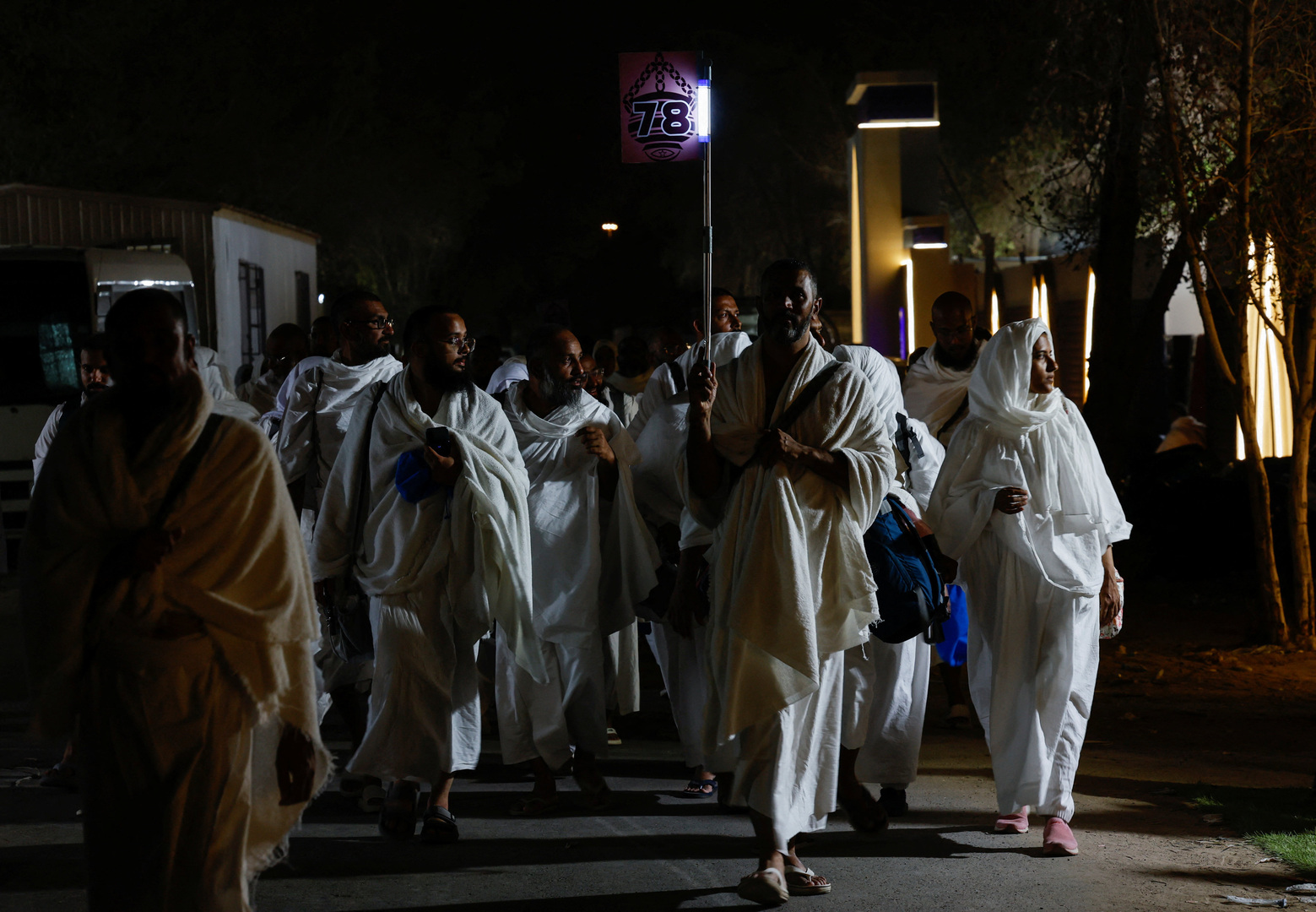
Muslim pilgrims walk on the plain of Arafat during the annual hajj pilgrimage, outside the holy city of Mecca, Saudi Arabia, May 25, 2026. REUTERS/Ibraheem Abu Mustafa
The air around Mina, a hallowed valley near Mecca, is thick with anticipation as Hajj pilgrims commence their arrival, preparing for the sacred rituals leading up to Arafah Day. A profound sense of peace, intertwined with overwhelming gratitude, washes over these devout individuals, each embarking on one of Islam’s most spiritually significant journeys.
Thousands upon thousands, from every corner of the globe, have descended upon this historic site. Their faces reflect a deep reverence as they settle into temporary camps, a communal act of devotion that transcends national borders and cultural differences. This gathering in Mina marks a pivotal step before the ascent to Mount Arafat, the spiritual pinnacle of the annual pilgrimage.
The Spiritual Journey of Hajj Pilgrims
For these Hajj pilgrims, the journey is not merely physical; it is a profound spiritual cleansing, a re-connection with faith’s deepest roots. The days spent in Mina are a time for reflection, prayer, and seeking forgiveness, fostering a unity rarely seen on such a grand scale. The silence of their devotion is punctuated only by fervent prayers and expressions of thanks.
As Arafah Day draws nearer, a palpable excitement builds. This day, when Hajj pilgrims stand on Mount Arafat, is considered the most vital rite of the Hajj, a moment of profound supplication and renewed commitment. It is a testament to enduring faith and the enduring appeal of this ancient Islamic pilgrimage, drawing millions annually to Saudi Arabia.
About the Author