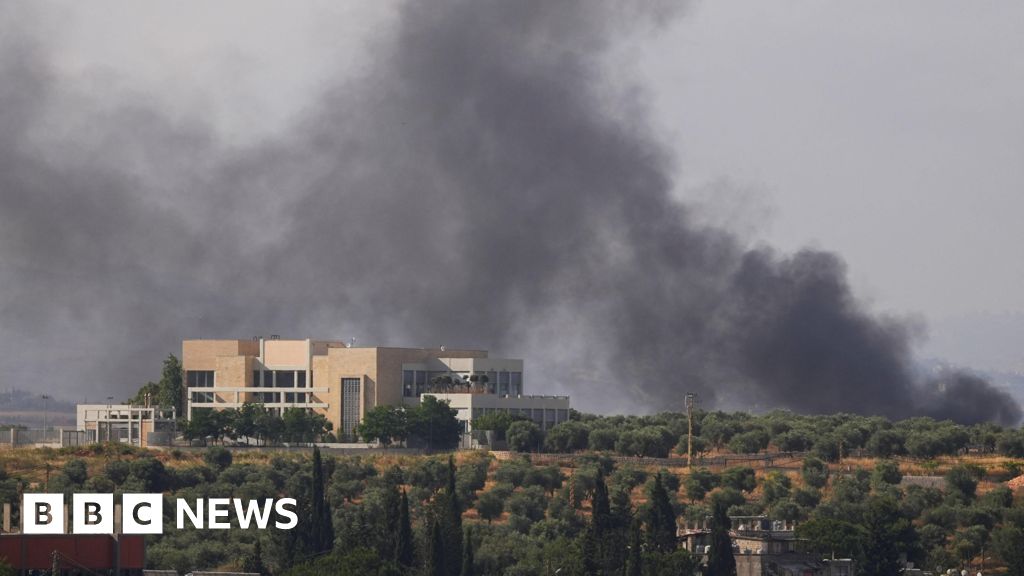
In a jarring escalation of regional tensions, Israeli air strikes have ripped through southern Lebanon, prompting calls for residents to evacuate two dozen locations. Lebanese state media reports at least one fatality in Marrakeh, within the Tyre district. This violent outburst arrives precisely as a significant diplomatic breakthrough appears imminent, with a long-anticipated US-Iran Deal reportedly on the cusp of finalization, raising complex questions about the true state of stability in the volatile Middle East.
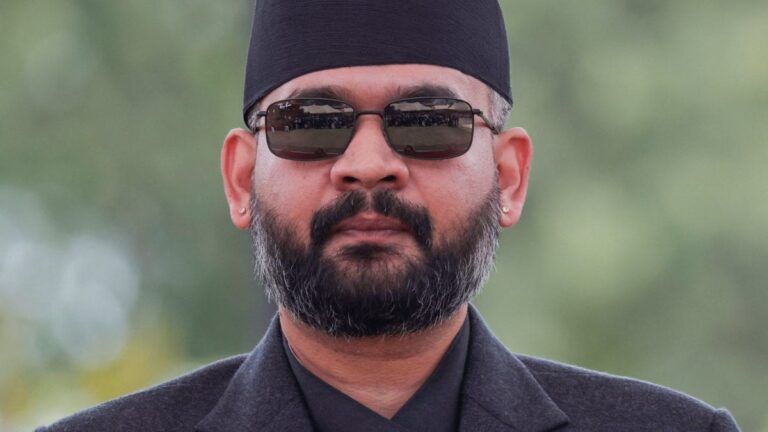
The latest Israeli operations follow stern warnings from its prime minister, vowing to target Hezbollah if attacks on northern Israel persist. Yet, against this backdrop of direct conflict, a startling chorus of optimism emanates from mediators. Pakistan’s Prime Minister Shehbaz Sharif, instrumental in US-Iran negotiations, declared on X that the parties are “closer to a peace deal than ever before,” anticipating finalization within 24 hours. Similarly, Iran’s foreign minister, Seyed Abbas Araghchi, earlier confirmed the proximity of an agreement aimed at resolving the broader US-Iran conflict and, crucially, ending hostilities between Israel and Hezbollah in Lebanon.
Unpacking the Expected US-Iran Deal
Details emerging about the proposed accord paint a complex picture. Araghchi indicated the deal includes the crucial reopening of the Strait of Hormuz – a lifeline for global oil and gas transit – alongside the lifting of a crippling US blockade on Iran. However, he clarified that discussions on Iran’s contentious nuclear program would be deferred to a later stage. US officials have corroborated elements of the agreement, emphasizing that any economic benefits for Tehran are strictly contingent upon verifiable adherence to its obligations.
The path to this understanding has been anything but smooth. The conflict ignited on February 28 with US and Israeli strikes on Iran, sparking retaliatory Iranian assaults across the Gulf and the effective closure of the Strait of Hormuz. Despite an April ceasefire, intermittent exchanges of fire, including recent tit-for-tat strikes, underscored the fragility of the truce. President Donald Trump, whose administration initially cancelled “scheduled attacks” due to an impending “great settlement,” later dismissed Iranian media reports detailing a 14-point deal as having “nothing to do with the terms that were agreed to.” Nonetheless, Pakistan’s prime minister subsequently reaffirmed that a Memorandum of Understanding was indeed agreed upon and awaiting finalization.
Internal deliberations within Iran’s Supreme National Security Council reveal a divided front, with both supporters and opponents scrutinizing the latest terms of the US-Iran Deal. Araghchi acknowledged the lack of a collective decision but expressed hope for a remote signing upon approval. Notably, Israel remains on the periphery of these specific discussions, which aim to extend the ceasefire and initiate negotiations on critical issues, including Iran’s nuclear ambitions. Western nations have long accused Iran of pursuing nuclear weapons, a claim Tehran consistently denies, asserting its program serves peaceful energy and research purposes.
A comprehensive briefing from US officials outlined a phased implementation: immediate reopening of the Strait of Hormuz and the lifting of the US shipping blockade would pave the way for a 60-day negotiation period. This phase would focus on Iran’s enriched uranium, with a view to its destruction and removal from the country. Economically, no upfront funds are promised; instead, a gradual reintegration of Iran into the global economy through incremental sanction relief and asset unfreezing is envisioned. Crucially, the agreement demands Iran cease funding regional proxy groups like Hezbollah. The US administration insists the US-Iran Deal is predicated on “performance,” not mere trust, ensuring benefits are earned through verified compliance. Despite lingering hurdles, a cautious optimism now pervades all mediating parties – the US, Iran, Pakistan, and Qatar – marking a potentially pivotal moment in complex international diplomacy.
About the Author