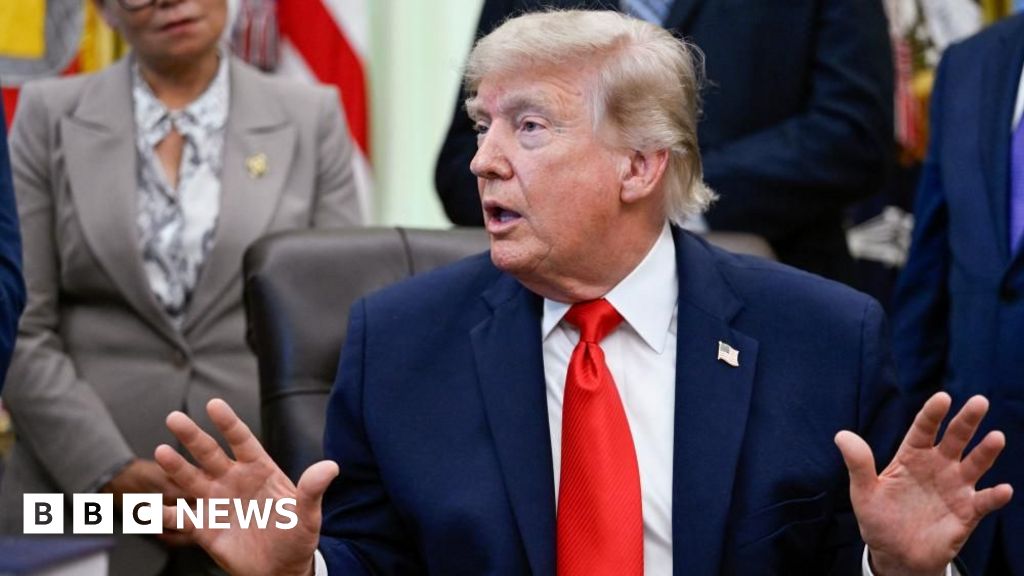
WASHINGTON, D.C. – A flurry of anticipation and skepticism now engulfs the global diplomatic stage as U.S. President Donald Trump declared Sunday as the definitive signing date for a critical US-Iran deal, aimed at de-escalating the tumultuous conflict. Yet, even as Washington buzzes with presidential proclamations, Tehran casts a palpable shadow of doubt over the audacious timeline.
In a bold Saturday social media post, President Trump asserted the agreement would not only halt hostilities but also immediately reopen the strategically vital Strait of Hormuz to all maritime traffic. He further alluded to the eventual retrieval and destruction of Iran’s enriched uranium stockpiles, ominously dubbed “Nuclear Dust,” once regional calm prevails. For decades, Western nations have leveled accusations of Iran pursuing nuclear weapons, a charge consistently denied by Tehran, which maintains its program is solely for peaceful energy and research.
Behind the Anticipated US-Iran Deal
Despite Trump’s definitive announcement, Iranian foreign ministry spokesman Esmail Baghaei injected a dose of caution, stating, “We will have to wait and see about the exact date of the signing… although it will not be tomorrow [Sunday].” This divergence in expectation highlights the fragile nature of ongoing negotiations. Meanwhile, key mediators have been active; Pakistan, an instrumental player, announced Saturday that finalization was “likely expected” within 24 hours, preparing for an “electronic signing.” Adding another layer to the complex mosaic, a Qatari delegation, also a mediator, reportedly arrived in Tehran on Sunday.
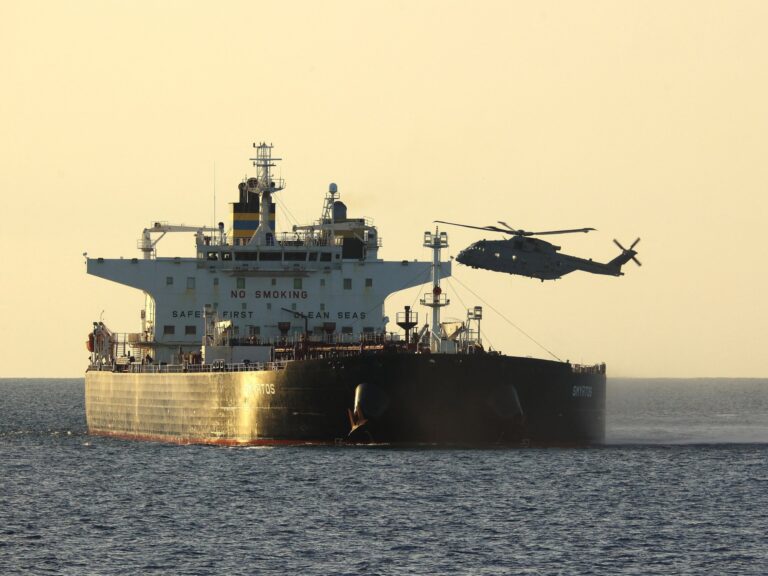
The protracted conflict erupted on February 28th with U.S. and Israeli strikes across Iran. Tehran retaliated by targeting Israel and U.S.-allied Gulf states, effectively sealing off the Strait of Hormuz, a crucial conduit for global oil and liquefied natural gas. A ceasefire was agreed in April, but intermittent exchanges of fire have persisted, underscoring the deep-seated animosities.
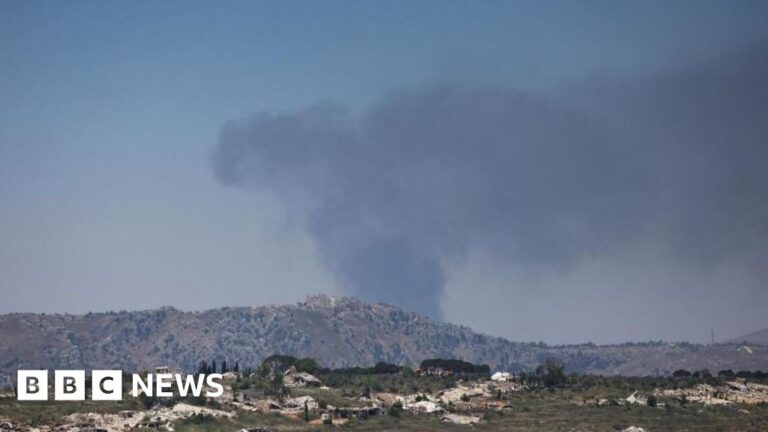
One of the most contentious elements of the proposed pact has been the fate of the conflict between Israel and the Iran-backed Hezbollah in Lebanon. While Iranian Foreign Minister Seyed Abbas Araghchi indicated that an end to this specific conflict was envisioned within the broader framework, previous U.S. reports suggested this particular cessation might not be an integral component of the US-Iran deal. Israel, notably not a signatory to this direct agreement, has reiterated its intent to continue striking Hezbollah in response to attacks in its northern territories. Indeed, on Sunday, Israel issued evacuation orders for 29 villages in southern Lebanon, a move often preceding air strikes, citing Hezbollah’s continued violation of the ceasefire agreement. For more on regional developments, see recent reports concerning Middle East tensions.
About the Author